Klyvora
Klyvora
Klyvora
Immediate high-density options optimized for localized enterprise databases, virtualization, and hybrid-cloud infrastructures.
Understanding the macroeconomic drivers reshaping East African enterprise IT.
Kenya has emerged as the premier technology hub of East and Central Africa. Driven by key initiatives like Konza Technopolis, expanding metropolitan fiber networks, and a hyper-growth financial technology ecosystem, local enterprises require high-performance, resilient computing nodes. However, local deployment presents unique operational realities: high ambient temperatures, occasional power grid fluctuations, and the absolute necessity of minimizing thermal overhead.
xFusion servers represent a strategic response to these demands. Engineered with structural cooling channels, highly efficient internal air flows, and titanium-level power supplies, they ensure consistent performance under localized environmental stresses. Our solutions address this by bridging global technology advances with East Africa’s operational parameters.
On a global scale, hardware architectures are rapidly shifting toward high-density GPU nodes and hyperconverged infrastructure (HCI) to run complex models like DeepSeek AI, large-scale databases, and regional microservices. In Kenya, this trend translates to a high demand for flexible architectures capable of balancing standard CPU computations with modern deep learning storage and high-throughput memory channels.
By partnering with Klyvora Node Technologies Ltd., Kenyan enterprises secure access to customizable xFusion system platforms. We address complex computational challenges with scalable configurations featuring Xeon Scalable processors, high-IOPS PM893 enterprise SSDs, and hardware RAID systems that protect against data corruption during unexpected outages.
Your Global Partner for High-Performance Computing and Enterprise Server Architecture
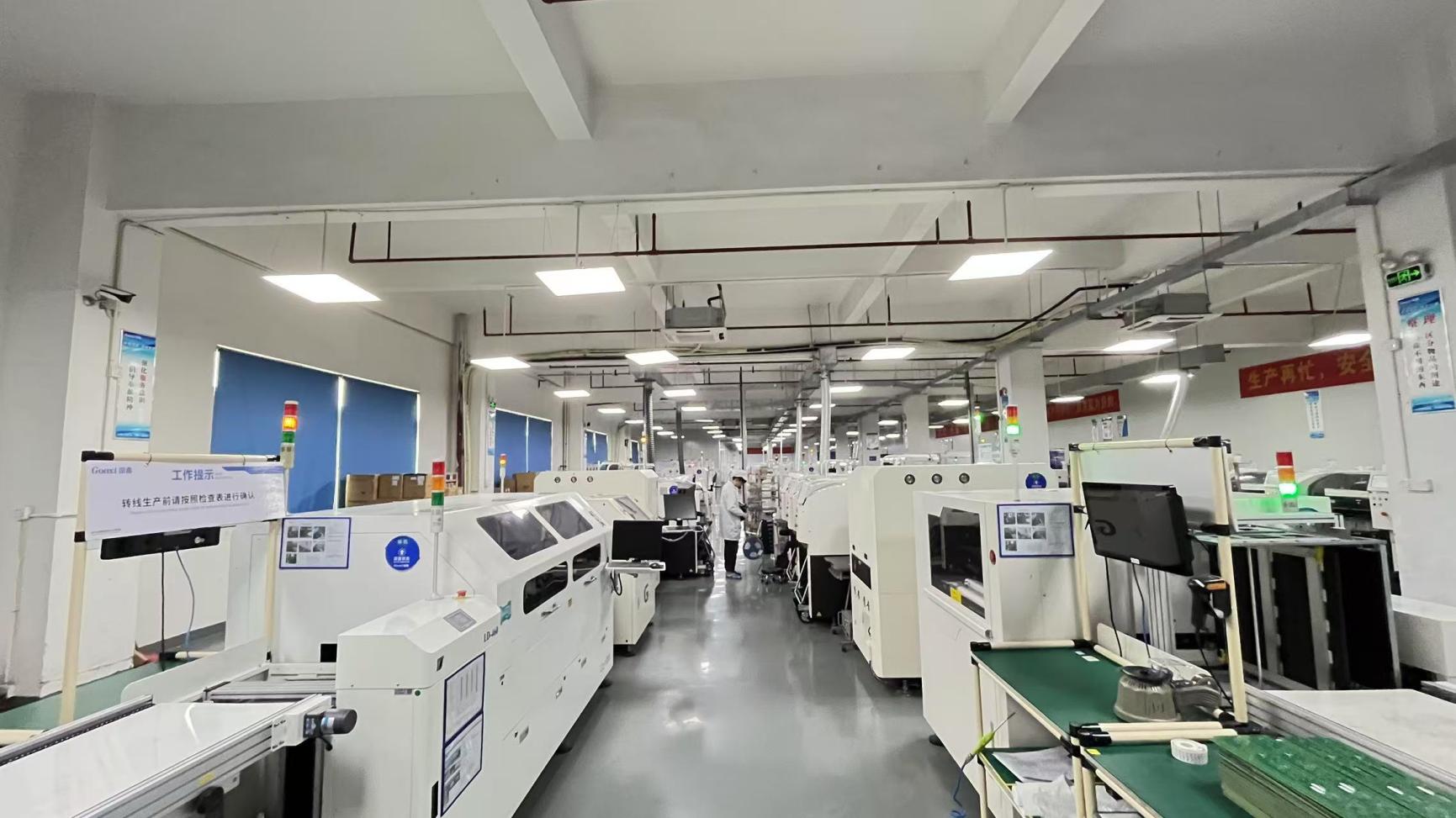
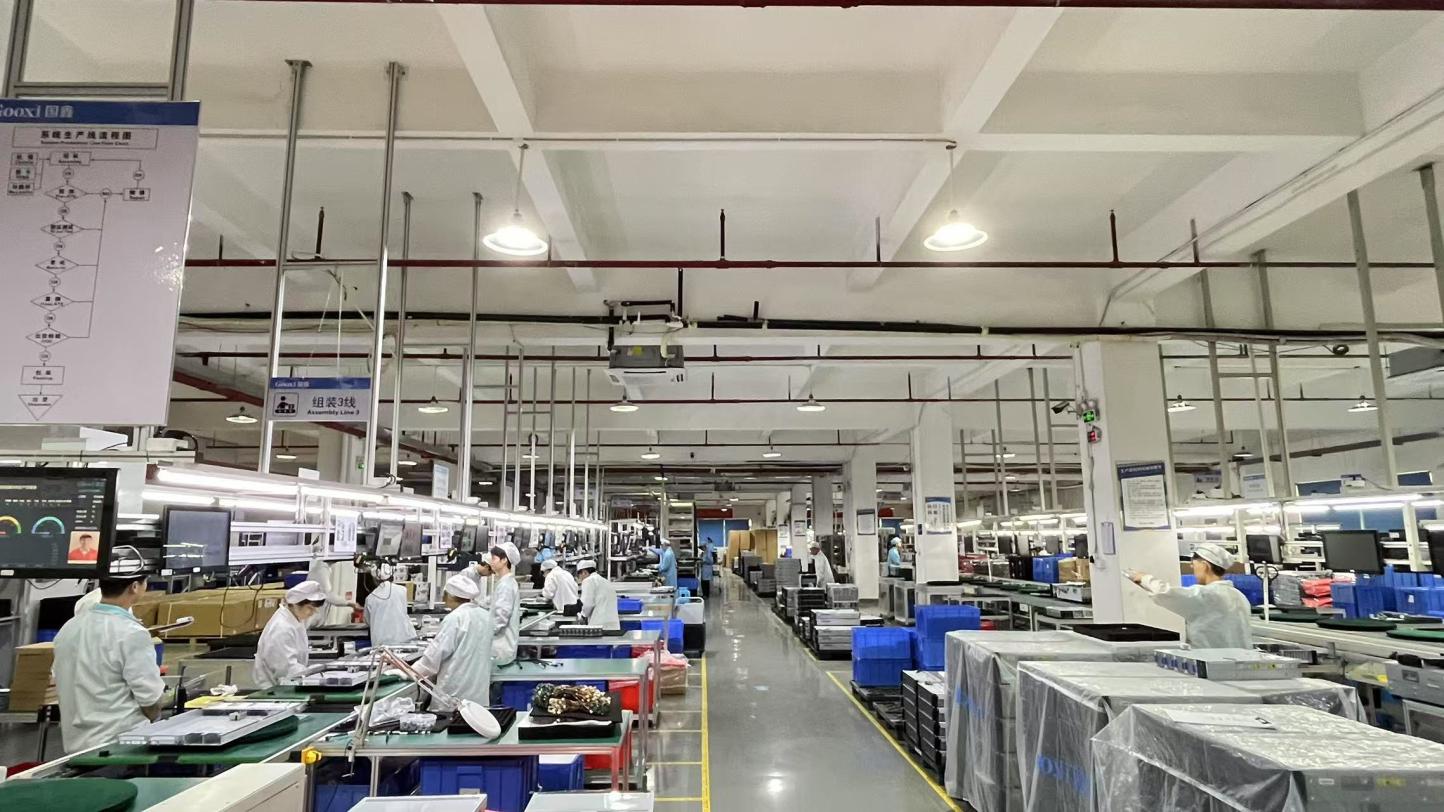
Established in 2016, Klyvora Node Technologies Ltd. is a high-performance computing infrastructure manufacturer specializing in AI GPU server systems, scalable compute clusters, and enterprise-grade data center solutions. We operate a modern production facility with a total building area of approximately 320㎡, supporting integrated R&D, assembly, testing, and quality control operations.
With a global supply chain network of over 860 partners, we enable stable sourcing of high-grade components such as GPUs, server-grade motherboards, power systems, and advanced cooling solutions. We maintain strong R&D capabilities with a team of around 180 engineers focused on GPU server architecture optimization, liquid cooling innovation, and workload acceleration.
Deploying xFusion technology to solve real-world industry challenges in East Africa.
Nairobi is the banking epicenter of East Africa. Scalable systems like the 2288H V6 support high-frequency transactional data processing, secure mobile-money API routing (M-Pesa integrations), and real-time fraud detection. Our configurations maximize uptime through redundant 1500W hot-swap power modules.
To maintain compliance with the Kenya Data Protection Act of 2019, organizations must host personal data locally. xFusion servers enable municipal cloud providers and ISPs to run localized VMs and Kubernetes pods efficiently, reducing latencies compared to offshore public clouds.
AI workloads require dedicated computing nodes. The FusionServer G5500 V7 and 2288H V5 DeepSeek-ready hardware facilitate local training, fine-tuning of linguistic variants, and real-time academic inference without exposing proprietary data to international transit points.
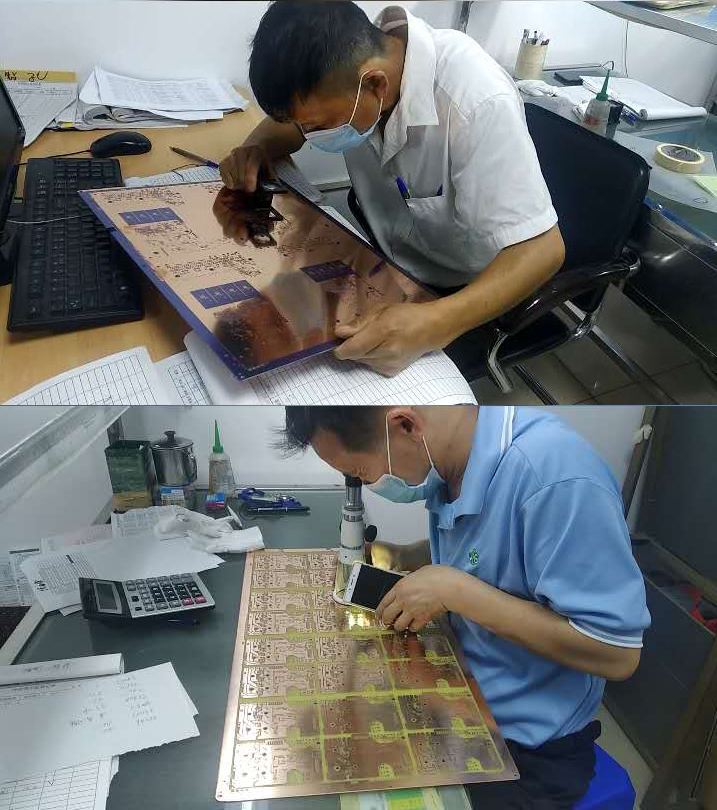
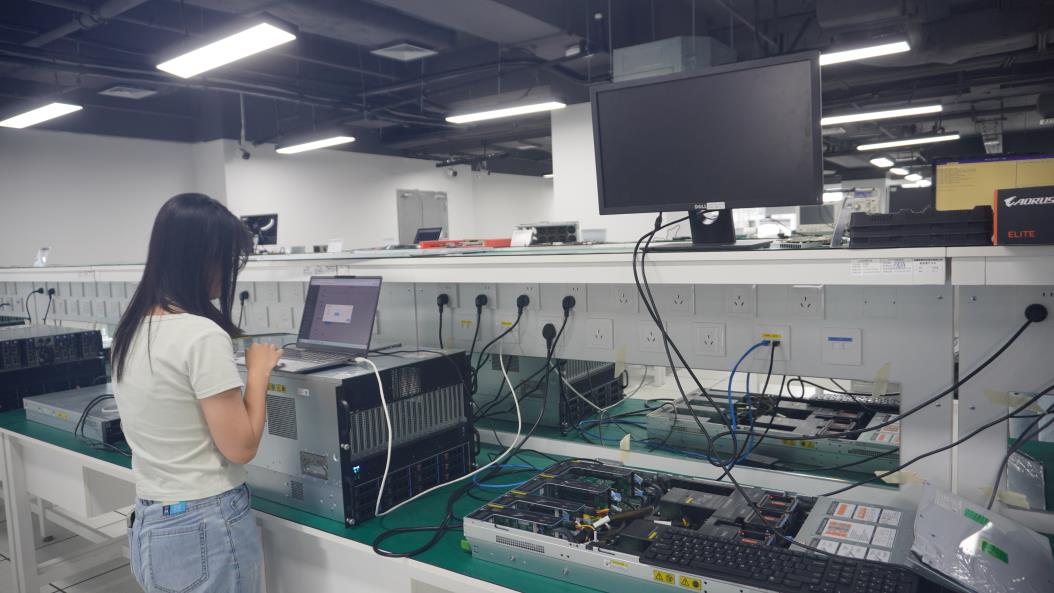
Klyvora Node Technologies employs a structured quality assurance system, combining automated testing methods, burn-in stress testing, and full-system validation procedures. To ensure reliable operations in the demanding East African environment, each system undergoes:
In the past year, Klyvora has launched approximately 86 new products, reflecting our commitment to advanced computing hardware, next-generation AI infrastructure, and responsive system design.
Providing smooth deployment from international manufacturing hubs directly to your Nairobi datacenters.
We assist customers with local standard clearance procedures, ensuring equipment complies with CAK (Communications Authority of Kenya) standards. All imported nodes meet localized certification metrics, minimizing port holding times.
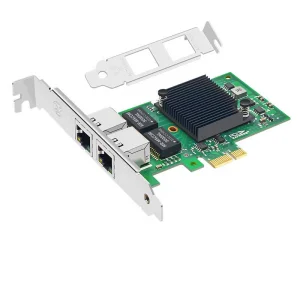
Our R&D team provides customization support. Whether configuring specific CPU/RAM allocations, custom BIOS profiles for energy-saving parameters, or choosing customized PCIe array cards, we build hardware around your operational workloads.
Leveraging our export experience, we manage shipping lanes to Jomo Kenyatta International Airport (JKIA) and the Port of Mombasa, offering DDU/DDP advisory services to streamline delivery timelines.
Selecting the optimal computing node based on targeted workload parameters.
| Server Model | Processor Type | Storage Scalability | Best Use Cases (Kenya Market) |
|---|---|---|---|
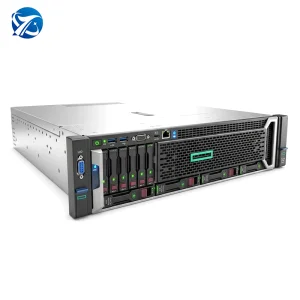
| xFusion 2288H V7 | Intel Xeon Scalable 4th Gen (e.g., 4410Y) | Up to 12*3.5" or 24*2.5" Drives | Enterprise Databases, High-Density Virtualization, Local Cloud Node |
| xFusion 2288H V6 | Intel Xeon Scalable 3rd Gen (e.g., 4310) | Up to 20*2.5" Drives / NVMe Support | Hyperconverged Infrastructure (HCI), Mid-tier ERPs, Backup Systems |
| FusionServer 5288 V7 | Dual Intel Xeon Scalable Gen 4 / Gen 5 | 4U High-density Storage, GPU expansion | Deep Learning, Local NAS Storage, Big Data Analytics, DeepSeek Training |
| FusionServer G5500 V7 | Multi-socket Intel Xeon / AMD EPYC | High-Density GPU Workstation / Storage | AI Inferencing, High-Performance Compute (HPC) Clusters, Telecom core |
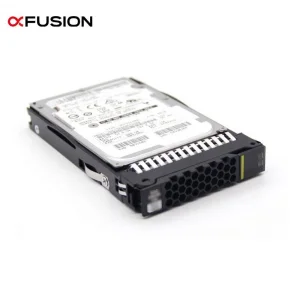
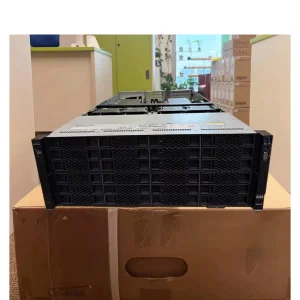
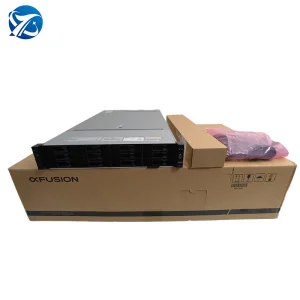
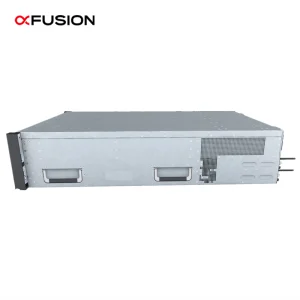
Select from our inventory of rackmount systems, AI accelerator chassis, and enterprise-grade storage expansion modules.
Supplementary GPU workstations and memory modules for computational scaling.
Strategic steps to transition standard enterprise infrastructure to intelligence-grade computing nodes.
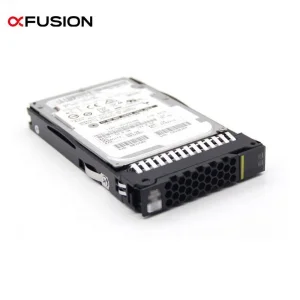
Standard read/write protocols create bottlenecks when handling modern data analytics. Transitioning to enterprise SSDs, such as the PM893 read-intensive series, minimizes I/O delay, while high-performance arrays controlled by LSI 9560-16I 8GB RAID structures provide data continuity. Upgrading to DDR5 pathways in the 2288H V7 model enables the fast read rates needed for real-time mobile transaction tracking and local AI query tasks.
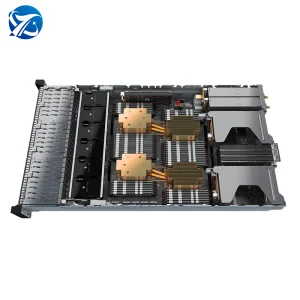
Given Kenya's varying ambient temperatures and energy costs, cooling efficiency is key. Klyvora partners customize xFusion chassis configurations with advanced dynamic fan profiles and liquid-assisted cooling channels. Selecting energy-efficient power supplies (up to 1500W Platinum/Titanium modules) reduces energy loss, directly lowering monthly operating expenses for local servers.
Providing clear answers to core engineering, procurement, and deployment queries for Kenya and East Africa.
xFusion servers are configured with dual redundant hot-swappable power supplies (typically 1500W with Platinum or Titanium energy ratings) that support load balancing. When integrated with local UPS systems and active surge protection, these PSUs absorb input line fluctuations without system interruptions. Additionally, the LSI 9560-16I RAID controller cards feature onboard cache memory backing to preserve write pipelines during sudden power loss.
Yes. The FusionServer G5500 V7 and specialized xFusion 2U Rack systems are engineered specifically to accommodate multiple double-width high-performance graphics processors (GPUs). Combined with up to 8TB of high-density DDR5 memory and direct-attach PCIe 4.0/5.0 pathways, these platforms provide the high computing power required for running large-scale language models locally.
We run a structured testing process directed by our 42-member Quality Assurance team. Each server undergoes strict diagnostic steps, including high-stress burn-in cycles and thermal verification. We source components, from motherboards to solid-state memory drives (like the PM893 series), from our supply network of over 860 partners to ensure consistent component tracing.
Standard custom assembly and testing require 10 to 15 working days at our modern facility. Shipping times vary depending on the channel: air freight to Jomo Kenyatta International Airport (JKIA) takes 7 to 10 days, while sea freight to the Mombasa port requires 30 to 40 days. We provide comprehensive export documentation to simplify local customs clearance.