Klyvora
Klyvora
Klyvora
High-efficiency dual-socket compute designs and enterprise accelerators optimized for immediate deployment.
An analysis of sovereign cloud systems, AI cluster localization, and energy efficiency standards in South Korea.
South Korea, with Seoul as its primary digital node, stands at the absolute vanguard of global high-performance computing (HPC) and artificial intelligence deployment. Propelled by the rapid rise of localized Large Language Models (LLMs) such as HyperCLOVA X, and the aggressive shift toward sovereign clouds by municipal and national public agencies, Seoul's colocation and enterprise data center landscape is undergoing a structural paradigm shift. As data centers cluster across Sangam-dong, Gasan-dong, and into adjacent corridors like Pangyo Techno Valley, standard hardware configurations no longer suffice. Infrastructure operators require advanced thermal envelopes, high-density PCIe layout options, and enterprise-class reliability to meet South Korea’s rigorous uptime requirements and the Personal Information Protection Act (PIPA) mandates.
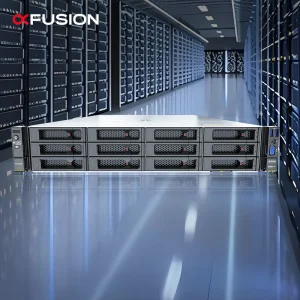
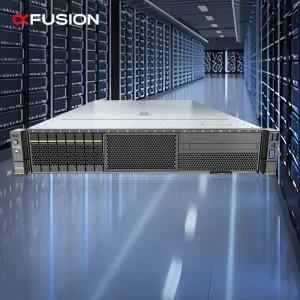
To support this computing boom, hardware must be optimized for dense virtualization and multi-tenant isolation. xFusion servers—known for their architecture stability, high thermal thresholds, and exceptional memory channel layout—have emerged as the ideal computing foundation for South Korea's demanding commercial environment. Leveraging customized chassis layouts, intelligent power regulation, and tailored firmware, our production facility delivers high-availability xFusion systems and companion hardware customized specifically to thrive under the unique infrastructure footprints of Seoul's premier hyperscale spaces.
In accordance with South Korea's Cloud Security Assurance Program (CSAP) and strict local regulatory compliance, Klyvora Node Technologies integrates xFusion servers with firmware-level hardware roots of trust (RoT) and secure cryptoprocessors. This prevents unauthorized hypervisor intrusion, securing critical municipal, healthcare, and financial datasets processing across metropolitan Seoul.
Established in 2016, Klyvora Node Technologies Ltd. has grown to become a premium computing infrastructure manufacturer specializing in high-performance GPU server structures, scalable compute clusters, and tailored server node systems. From our advanced R&D and assembly hubs, we bridge the gap between global chip technology and local system requirements. Our operations feature a highly specialized 320㎡ prototype development, testing, and micro-assembly facility, allowing us to implement fast engineering modifications, custom BIOS development, and intensive validation routines before massive rollouts.
With more than 11 years of cumulative industrial expertise in complex computing hardware, Klyvora generates an annual export volume ranging from USD 8 million to USD 22 million. Backed by 6+ years of international trade experience, we are uniquely equipped to support the highly complex logistics and custom-clearing processes required by South Korean data center operators, securing a reliable supply pipeline for high-performance servers, system boards, SAS controllers, and high-performance components.
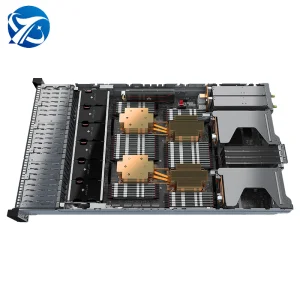
Our engineering division, comprised of approximately 180 professional developers, focuses on addressing the most challenging operational bottleneck in modern data centers: thermal constraints. With Seoul's local electricity tariffs rising and strict Power Usage Effectiveness (PUE) limits applied by municipal authorities, conventional air cooling is reaching its limits. Klyvora is at the forefront of engineering integration, customizing xFusion servers to support:
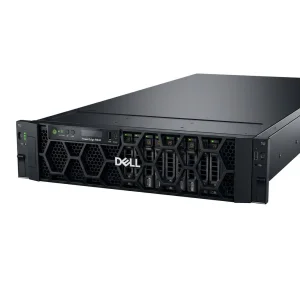
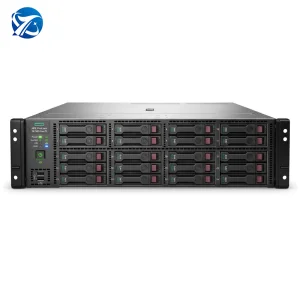
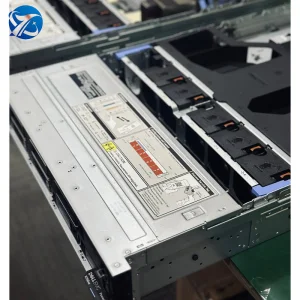
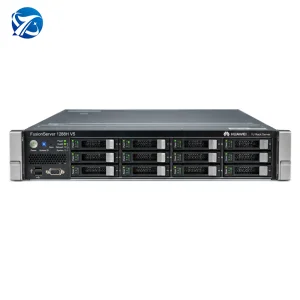
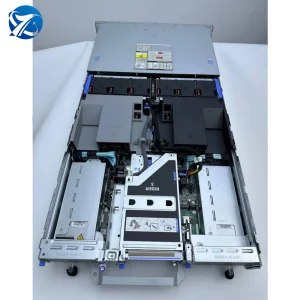
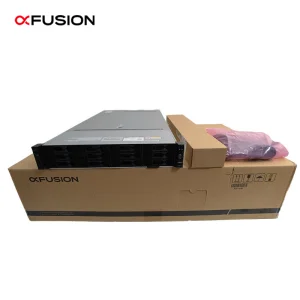
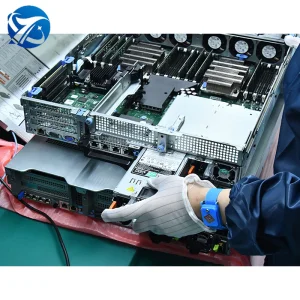
Direct views of our high-standard micro-assembly, thermal validation, and storage inventory setups.
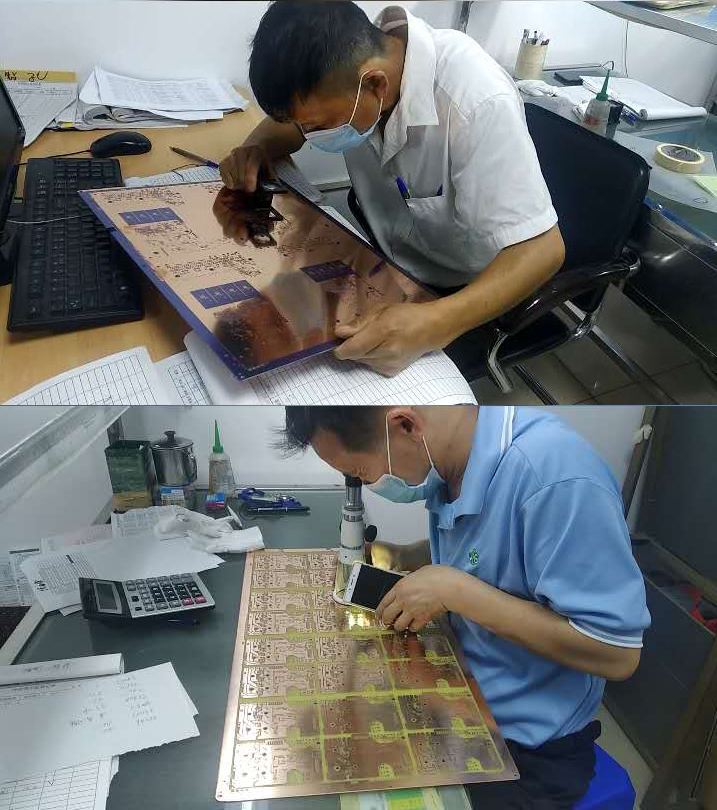
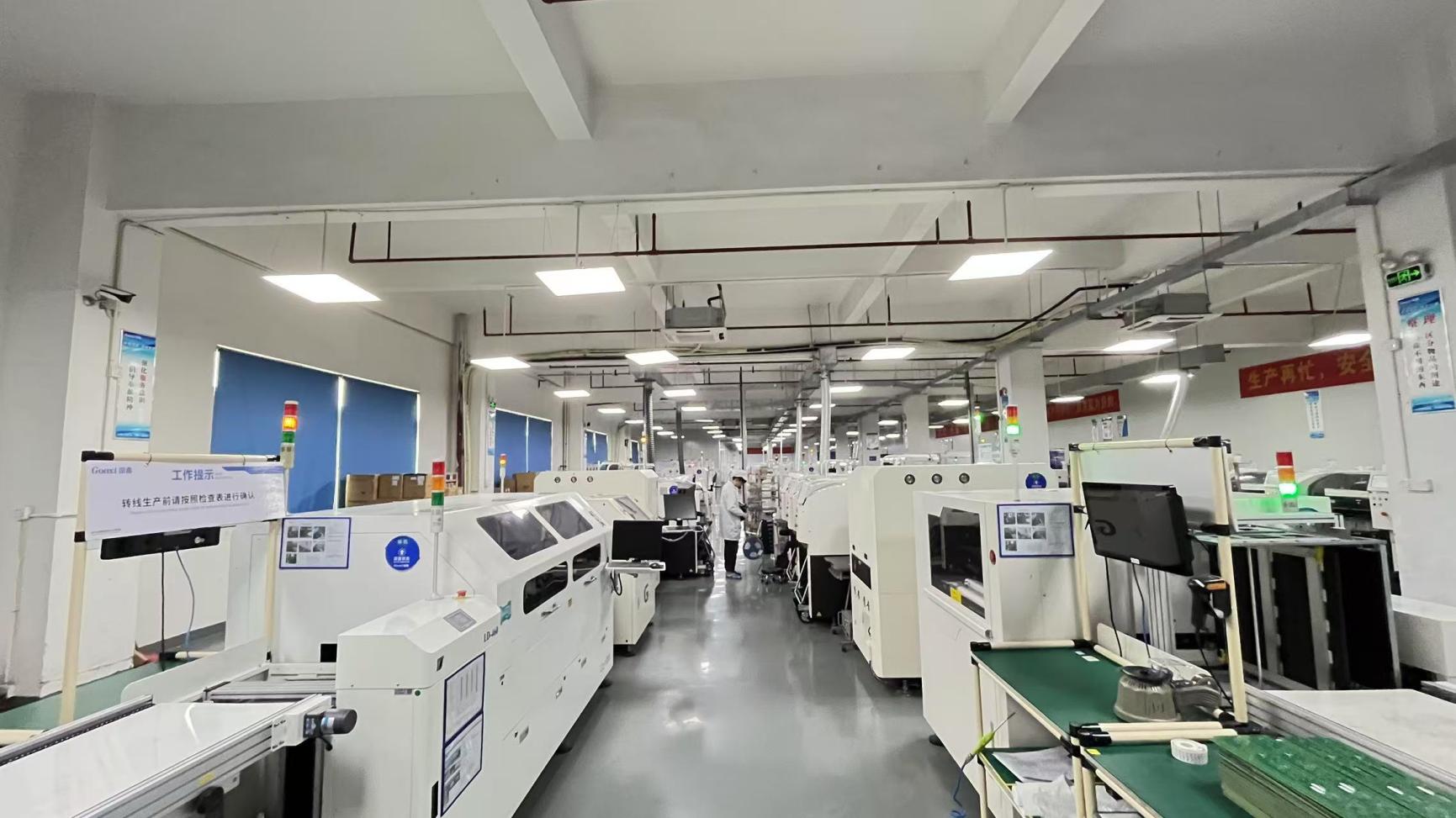

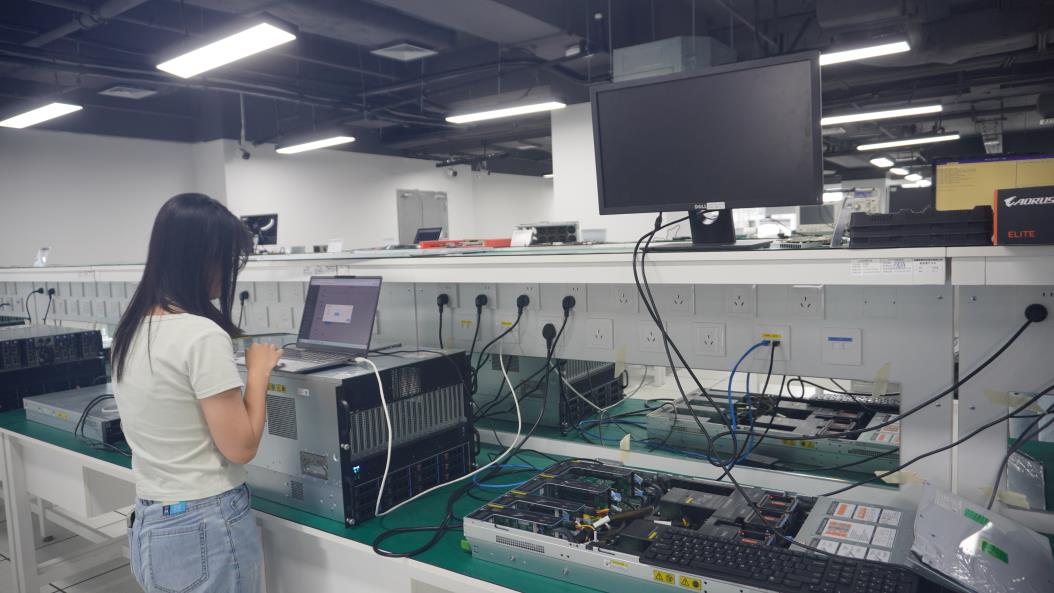
How our xFusion optimized server architectures align with local commercial and industrial scenarios.
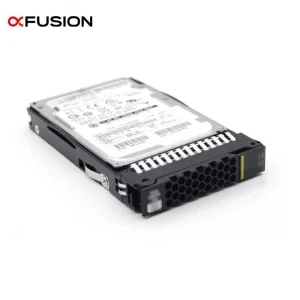
For low-latency trading engines and secure transactional models, our optimized dual-socket 1U and 2U nodes deliver maximum CPU cycles per rack unit. High-performance SAS arrays and M.2 NVMe boot devices ensure transaction databases process without queues.
We supply customized xFusion GPU server configurations supporting complex deep learning, deep neural network training, and visual recognition services. Built to hold high-density GPU accelerators with advanced power distribution boards.
Optimizing core densities for massive container arrays and multi-tenant virtual machines. Our hyperconverged platforms combine huge memory volumes (up to 32 DDR4/DDR5 slots) with low power footprints to ensure cost-optimal VPS delivery.
Klyvora Node Technologies ensures every single server system undergoes an exhaustive multi-phase validation routine before leaving the plant. Led by our 42-member Quality Control team, our testing matrix includes:
Operating a high-density compute array in South Korea requires alignment with local standards. All of our server integrations are designed to assist clients in acquiring KC (Korea Certification) compliance, ensuring electromagnetic compatibility (EMC) and low-voltage electrical safety protocols are fully observed. Additionally, our global supply chain network of over 860 partners ensures we maintain a steady supply of components. For enterprise customers in Seoul, we offer optimized delivery processes through Incheon Port and Incheon Airport directly to your datacenter doors, supported by dedicated customs brokers to eliminate clearing delays.
Answers to technical and logistics questions regarding xFusion servers in South Korea.
Yes. We construct and configure our custom integrations using components that meet or assist in fulfilling the South Korean KC (Korea Certification) guidelines. We work closely with import partners to ensure all systems conform to local electromagnetic compatibility and low-voltage safety standards.
Absolutely. Our 180-engineer R&D department can customize IPMI, BMC, and Redfish API schemes to integrate directly with South Korean DCIM solutions used by companies like KT, SK Broadband, and Naver Cloud.
Standard micro-assembled configurations are processed and validated within 10 to 15 business days. Transport via our established supply chain pipelines to Incheon and onto Seoul generally requires an additional 5 to 7 business days, including customs handling.
Yes. We specialize in retrofitting and engineering liquid-cooled loops, direct-to-chip water block assemblies, and custom manifold routing for models like the FusionServer 2488H and xFusion 2258 series to lower datacenter power consumption.
Browse our full list of computing systems, expansion cards, processors, and storage hardware optimized for Seoul deployments.