Klyvora
Klyvora
Klyvora
Enterprise and high-performance computing architectures deployed directly for Tashkent, Samarkand, and regional technological hubs.
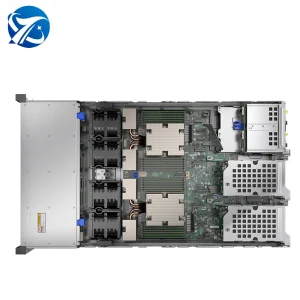
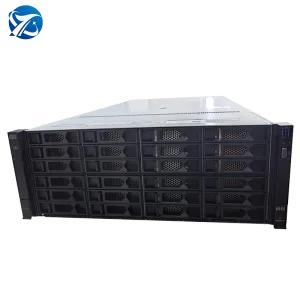
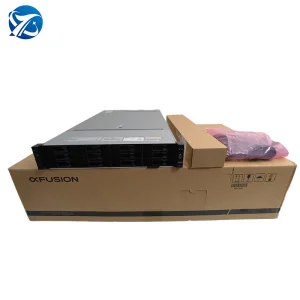
The Republic of Uzbekistan is undergoing a comprehensive technological revolution guided by the national strategy "Digital Uzbekistan 2030." Key pillars of this strategy include the automation of state registries, the modernization of regional telecom networks (Uztelecom), the deployment of national FinTech ecosystems, and the integration of artificial intelligence across heavy industries (such as mining, petrochemicals, and logistics). At the foundation of this rapid development lies an urgent requirement for high-density, energy-efficient, and physically resilient computing hardware: specifically, the V7 generation architecture of Rack Servers.
Meeting the growth of local LLM models, data mining operations in Tashkent, and state-backed scientific computational clusters utilizing specialized DeepSeek-compatible server frames.
Modernization of banking core databases, transaction records (for systems like Humo & Uzcard), and governmental cloud systems requiring hot-swappable enterprise NVMe/SAS drives.
Designed for thermal resilience. High summer ambient temperatures in Central Asia demand highly-engineered fan arrays, liquid cooling provisions, and optimized airflow dynamics.
V7 Rack Servers represent the pinnacle of modern modular computing architecture. Powered by multi-core processors featuring the latest PCIe Gen 5 high-speed interfaces, DDR5 memory configurations, and built-in hardware root-of-trust security protocols, they ensure zero-bottleneck processing. For organizations in Uzbekistan, this translates to predictable computational outputs even under complex workloads.
Furthermore, local energy infrastructure variability calls for robust power supply units (PSUs). V7 servers incorporate titanium-level redundant 80 Plus hot-swap PSUs (ranging from 900W to over 2000W) designed to counter voltage fluctuations and maintain constant uptime within regional data centers.
Ensuring absolute hardware reliability through comprehensive validation, global component networks, and specialized engineering.
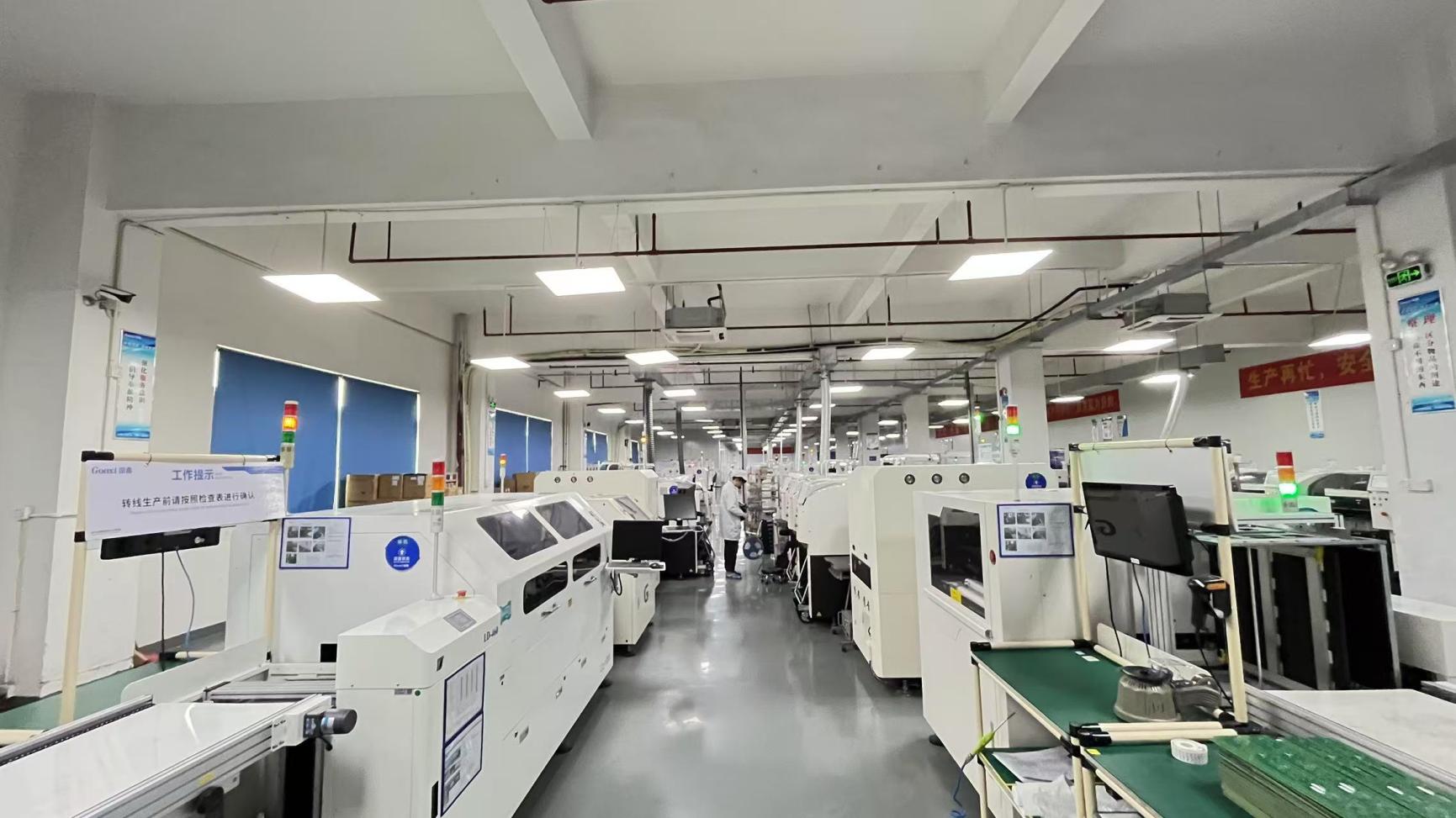
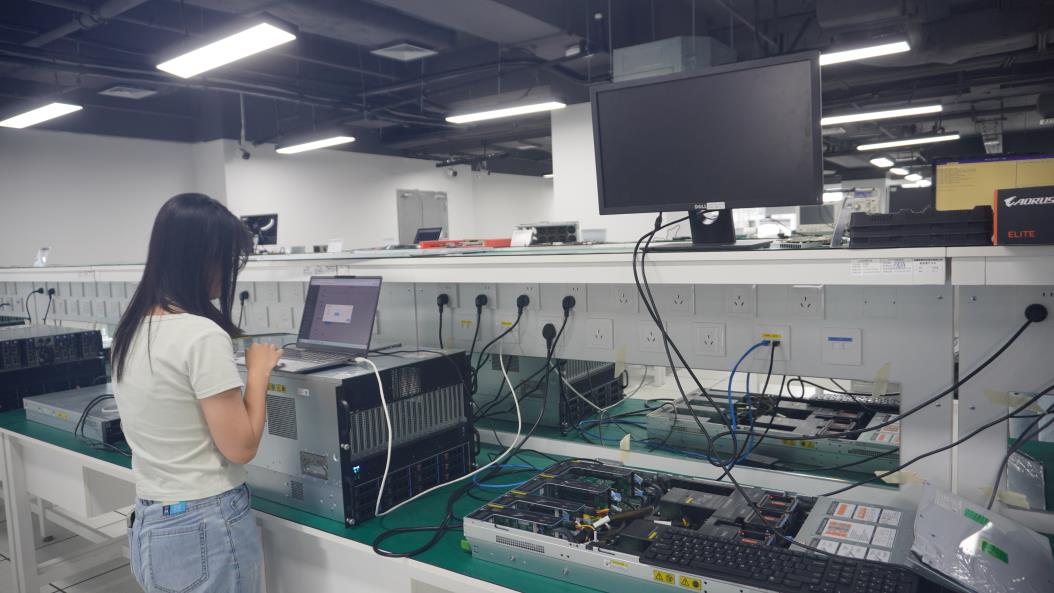
Klyvora Node Technologies Ltd. is a high-performance computing infrastructure manufacturer specializing in AI GPU server systems, scalable compute clusters, and enterprise-grade data center solutions. Established in 2016, our advanced precision assembly, testing, and customization laboratory operates with a dedicated building footprint of approximately 320㎡. This highly concentrated R&D facility supports integrated design operations, hardware prototyping, advanced stress-testing, and strict quality control operations before regional dispatch.
We boast an annual export revenue range of USD 8 million to USD 22 million, supported by 6+ years of specialized export experience and 11 years of deep-rooted industry expertise in advanced computing hardware. Our primary distribution channels actively supply computing facilities in North America, Europe, the Middle East, and Southeast Asia. We are now expanding physical supply lines directly into the fast-developing Central Asian markets, with a dedicated focus on the Republic of Uzbekistan.
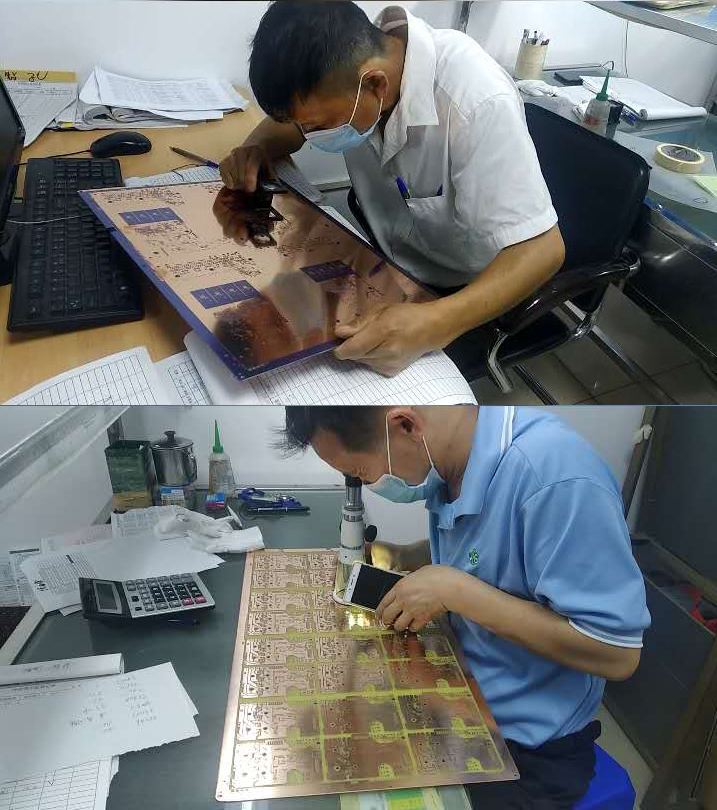
To support high-consequence enterprise operations in Uzbekistan, every rack server undergoes a rigorous, multi-tiered testing regimen. This includes thermal performance monitoring inside environment simulators, full-system hardware diagnostic loops, memory stress testing (over-voltage and thermal drift tests), and extended burn-in verification. With 42 quality assurance specialists conducting final sign-offs, we ensure each chassis delivered conforms strictly to CE, FCC, and regional EAC standards.

Procuring computing equipment in Central Asia has historically been complicated by logistics routes, customs delays, and complex certification processes. Klyvora Node Technologies removes these pain points by aligning manufacturing operations directly with established Belt and Road Initiative (BRI) land-freight logistics corridors. This enables expedited shipping options from our production plants in China directly to Uzbekistan via regional trade gateways:
Our V7 Rack Servers are designed and configured to support a wide range of specific domestic applications:
Explore our complete catalog of high-density computation, storage, and AI processing server chassis ready for deployment.


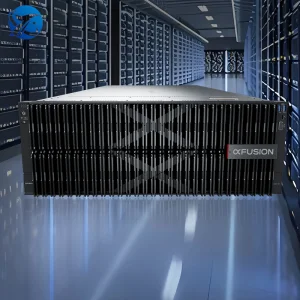

As computational demands scale upward, conventional air cooling reaches its limits—particularly in Central Asia's arid, high-temperature climates. Modern computing paradigms are evolving toward liquid-assisted cooling loops, hyper-converged hardware architectures, and direct integration with open-source artificial intelligence systems. The design of V7 systems anticipates this shift with features that protect hardware longevity and maximize computing power per watt:
V7 architectures support hybrid liquid-to-air cooling options. These isolate the highest thermal generators (the CPUs and GPUs) through specialized copper cold plates. Combined with counter-rotating hot-swap fans, this significantly reduces cooling costs (PUE) in regional data centers.
Designed to support demanding AI tools (like DeepSeek, LLaMA, and PyTorch frameworks), our V7 GPU platforms use PCIe Gen 5 buses and high-bandwidth networking (RoCEv2) to prevent data latency bottlenecks during training operations.
By investing in these advanced systems, enterprises in Uzbekistan can future-proof their computing installations for the next decade. This ensures they remain compatible with new software standards without requiring expensive chassis-level upgrades.
Answers to common questions regarding logistics, installation, local support, and compatibility.
Contact our system engineers today to design a custom hardware blueprint, request quotes for bulk orders, or resolve import questions.