Klyvora
Klyvora
Klyvora
Optimized for Dutch Datacenters and High-Throughput Edge Networks. Fully compatible with top OEM systems.
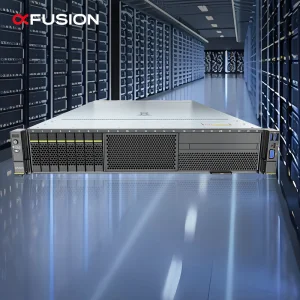
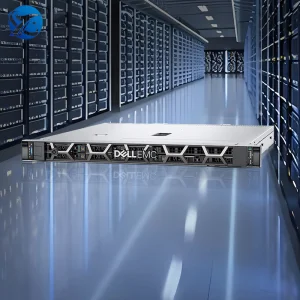
The Netherlands functions as the digital gateway to Europe, hosting one of the most mature data center ecosystems globally. Driven by the Amsterdam Internet Exchange (AMS-IX) and major cloud hyper-scale sites in Eemshaven, Groningen, and Noord-Holland, the country demands computing hardware that operates at the absolute peak of efficiency, durability, and processing speed. In these hyper-density environments, Server RAM acts as the central bottleneck for application throughput, dynamic database processing, and multi-tenant virtualization platforms.
For data center managers, cloud providers, and enterprise system integrators across Amsterdam, Rotterdam, and Eindhoven, locating a reliable supplier for server memory (such as DDR5 RDIMMs, LRDIMMs, and high-frequency ECC modules) is critical. As virtualization workloads density scales, the need for memory capacities ranging from 32GB up to 256GB per module becomes the defining factor in maximizing CPU core utilization and cutting down Total Cost of Ownership (TCO) per rack.
On a macro scale, the global server RAM market is navigating a generational shift from DDR4 to DDR5 architecture. DDR5 brings fundamental improvements, including on-die Error Correction Code (ECC) for internal DRAM-level bit correction, independent 32-bit subchannels to improve bus efficiency, and local Power Management Integrated Circuits (PMIC) on the DIMM module itself to ensure cleaner power distribution. These hardware advancements allow Dutch operators to run modern processors like AMD EPYC™ Genoa/Bergamo or Intel® Xeon® Scalable Sapphire Rapids/Emerald Rapids at high speeds up to 4800 MT/s, 5600 MT/s, and beyond.
However, global supply chain volatility, DRAM wafer fabrication capacity limits, and varying import logistics require strategic planning. Working with an experienced system integrator and RAM exporter ensures access to graded memory dies (from Samsung, SK Hynix, and Micron) and certified third-party compatibility, preventing long deployment delays.
Strategic hardware supply chains, engineering capabilities, and international export operations.
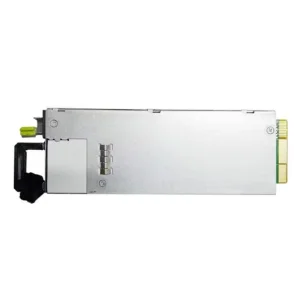
Essential components for robust server configurations, optimized power distribution, and massive storage capacity.
Choosing the correct memory architecture involves finding the right balance between frequency requirements, loading capacities, and cost efficiencies.
RDIMMs feature an onboard Register Clock Driver (RCD) that buffers control and address signals. This stabilizes electrical loads and allows the server to support more memory modules per channel. RDIMMs are the standard choice for general cloud compute nodes, offering low latency and solid scalability.
For applications that require maximum memory capacity (such as large in-memory databases and virtualization hosts), LRDIMMs are preferred. By buffering both control lines and data lines (via a data buffer), LRDIMMs significantly reduce electrical loading, allowing the system to run high-density quad-rank modules at faster speeds.
DDR5 RAM runs at high frequencies (4800 to 5600+ MT/s) but operates at a lower base voltage of 1.1V compared to DDR4's 1.2V. However, moving the power management components (PMIC) onto the module increases local heat generation. High-density servers require high-grade heat spreaders and proper airflow management to prevent thermal throttling.
Klyvora Node Technologies Ltd. is a high-performance computing infrastructure manufacturer specializing in AI GPU server systems, scalable compute clusters, and enterprise-grade data center solutions. Established in 2016, the company operates a modern production facility with a total building area of approximately 320㎡, supporting integrated R&D, assembly, testing, and quality control operations.
The company reports annual export revenue ranging between USD 8 million and USD 22 million, with over 6 years of export experience and 11 years of accumulated industry expertise in advanced computing hardware and system integration. Klyvora maintains a strong international trade background and serves major markets including North America, Europe, the Middle East, and Southeast Asia.
Our quality assurance framework integrates automatic diagnostic systems, memory load testers, thermal cycle burn-in test beds, and full-system software stress testing. Memory compatibility and error correction (ECC) capabilities are verified under sustained load conditions using standard tools (such as Memtest86+ and Prime95) on the latest AMD EPYC and Intel Xeon architectures. This rigorous process minimizes bit-flip issues and early hardware failures, ensuring reliable uptime for critical operations.
The company collaborates with a global supply chain network of over 860 partners, enabling stable sourcing of high-grade components such as GPUs, server-grade motherboards, power systems, and cooling solutions. Its primary customer base includes AI research institutions, cloud service providers, enterprise data centers, and HPC solution integrators.
Klyvora maintains strong R&D capabilities with a team of around 180 engineers focused on GPU server architecture optimization, liquid cooling innovation, and AI workload acceleration. The company supports a wide range of customization options, including chassis design, thermal configuration, GPU density optimization, and firmware-level system tuning.
In the past year, Klyvora has launched approximately 86 new products, reflecting its continuous innovation in high-density computing systems and next-generation AI infrastructure solutions.
How Dutch enterprises and global operators utilize high-capacity, high-speed server RAM configurations.
For financial institutions and algorithmic trading firms operating near the Amsterdam Stock Exchange (Euronext), microsecond latencies are critical. Upgrading to ultra-low latency DDR5 RDIMMs with tuned CAS latencies helps eliminate memory bottlenecks, accelerating order matching and data parsing workloads.
Large managed service providers (MSPs) in Haarlem and Almere rely on high density memory configurations to maximize virtual machine (VM) density per CPU socket. Integrating 64GB and 128GB LRDIMMs allows providers to host more tenants per rack unit, reducing space and power overheads.
Engineering teams in the Eindhoven Brainport high-tech campus run heavy computer-aided engineering (CAE) simulations and semiconductor layout checks. These scientific workloads require massive system memory arrays to handle large simulation models without relying on slower swap space storage.
Deploying memory hardware within EU borders requires strict adherence to environmental and security regulations. All our server memory modules and computing systems are certified to meet European safety, health, and environmental requirements:
With Dutch datacenters focusing closely on Power Usage Effectiveness (PUE) and sustainability metrics, managing memory power draw is an important factor. DDR5 RAM's 1.1V operating profile, combined with modern power management ICs (PMICs), reduces idle power draw compared to older generations. Working with us helps you optimize server configurations to balance high throughput with strict energy efficiency targets.
A look inside Klyvora's integrated assembly, system burn-in, and final verification facilities.
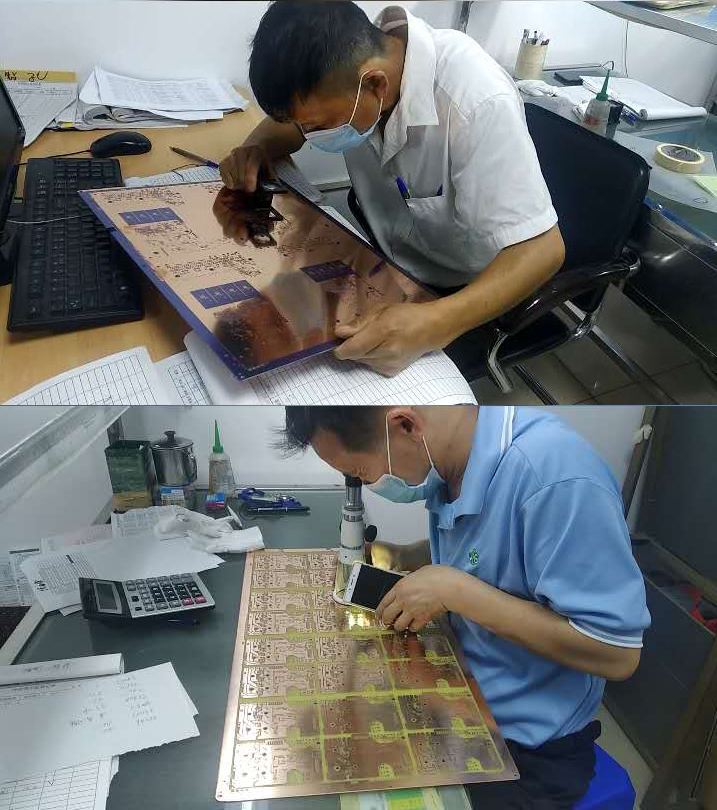
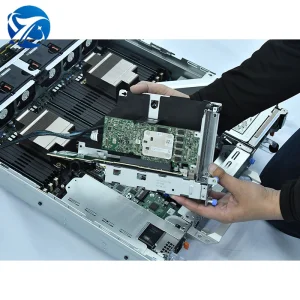
System Assembly Line
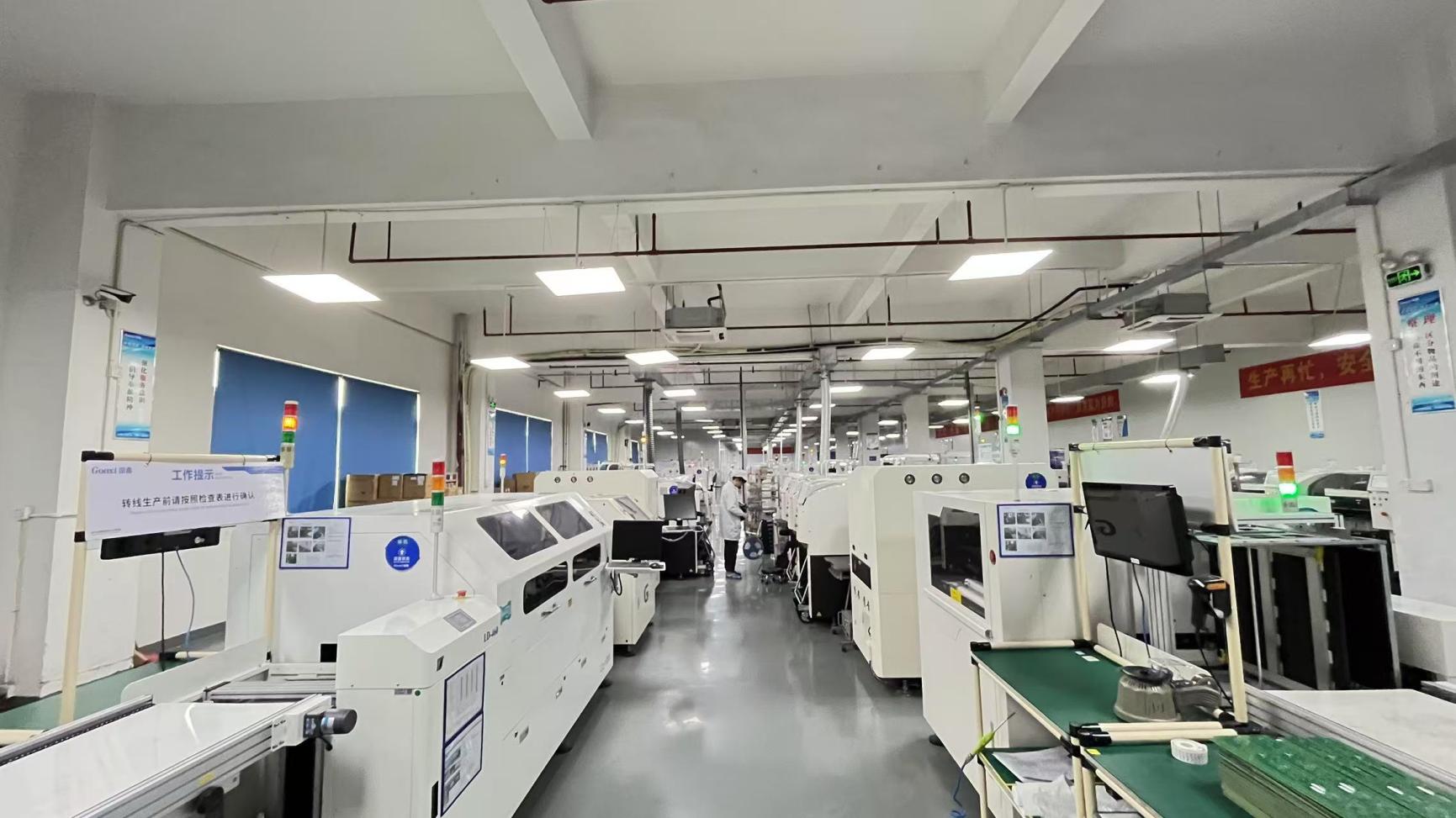
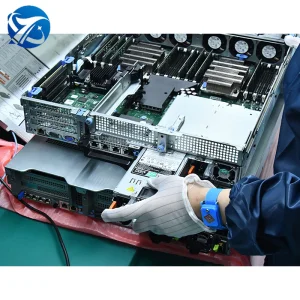
Hardware Diagnostic Station

Thermal Burn-in Chambers
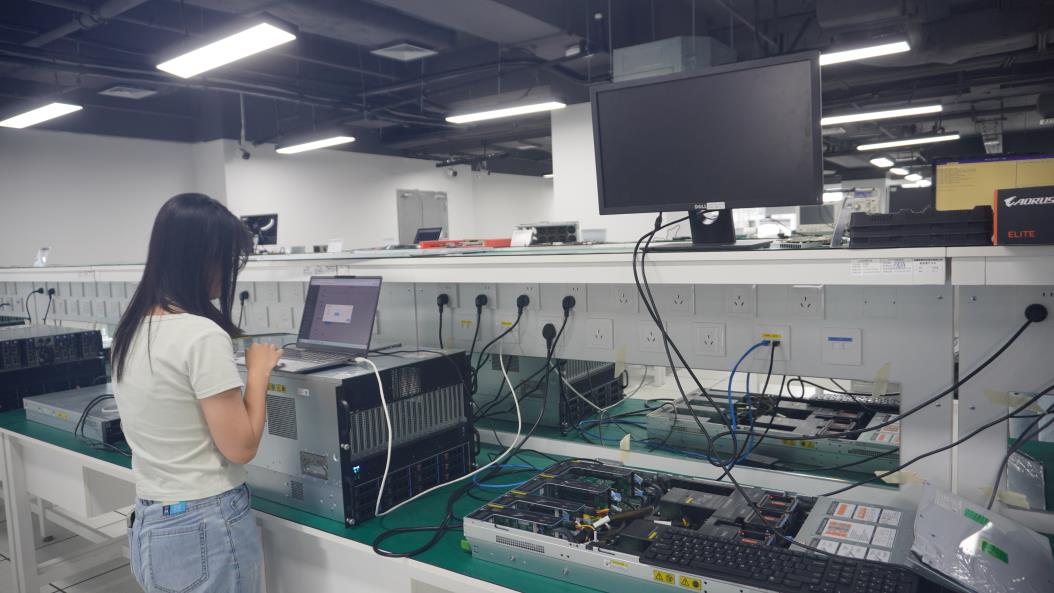
Final Quality Inspection
The standard model of direct-attached DRAM faces scaling limits due to CPU pin-count constraints and high motherboard complexity. The industry is moving toward Compute Express Link (CXL), an open industry standard for high-bandwidth, low-latency connections between processors and devices like host processors, accelerators, and memory expanders.
By using CXL 2.0 and CXL 3.0 interfaces on PCIe 5.0 and PCIe 6.0 physical buses, servers can access external memory pools dynamically. This allows datacenters to pool RAM across multiple compute nodes, matching memory resources with changing workloads. As a result, operators can scale capacity as needed and reduce underutilized memory overheads.
DDR6 memory development is focused on addressing the data bottleneck in high-throughput AI computing. Preliminary specifications target speeds starting at 8800 MT/s and reaching up to 17600 MT/s. Alongside standard speed increases, Processing-In-Memory (PIM) technology integrates logic processing engines directly onto DRAM chips, letting the memory handle basic data tasks locally and reducing the amount of data transferred back and forth to the CPU.
At Klyvora, our engineering teams are preparing our platform designs for early testing of CXL memory controllers and DDR6 prototypes. This helps ensure our server designs are ready for next-generation, high-performance computing requirements.
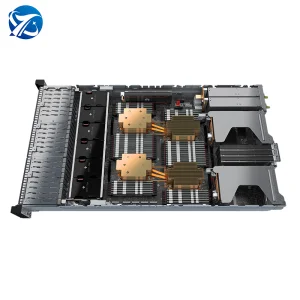
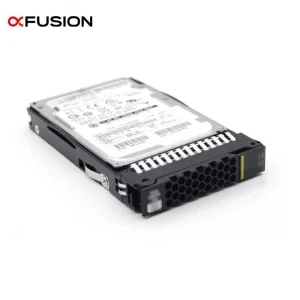
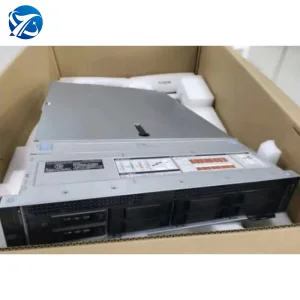
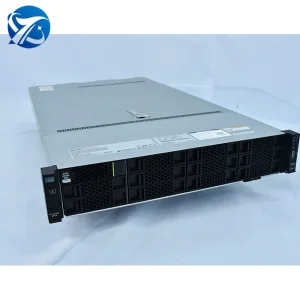
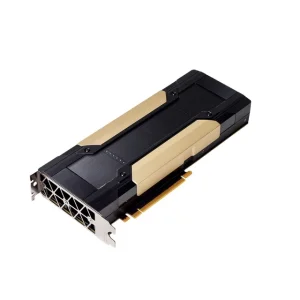
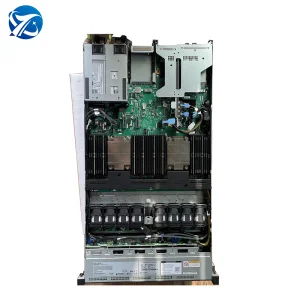
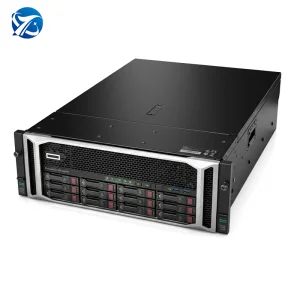
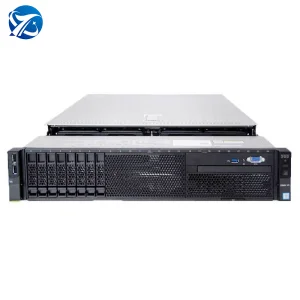
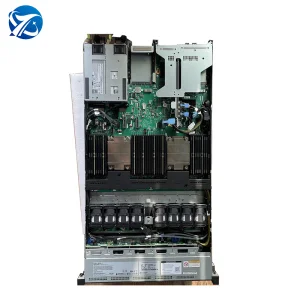
Enterprise server platforms, storage systems, and GPU accelerators configured to support next-generation workloads.
Answering common questions about importing, testing, and compatibility for server memory upgrades.