Klyvora
Klyvora
Klyvora
Premium server frameworks and scalable computing architectures customized with high-capacity enterprise memory for Tokyo's leading AI training nodes, HPC clusters, and cloud environments.
An in-depth analysis of high-density DRAM requirements, low-latency requirements, and spatial density limitations in Kanto region hyperscale deployments.
The Tokyo Metropolitan Area is one of the densest and most technologically sophisticated data center hubs in the Asia-Pacific (APAC) region. As financial markets in Otemachi and Kabutocho transition to AI-driven algorithmic execution, and technology firms in Shibuya and Minato ku expand cloud-native infrastructure, the demand for enterprise-grade Server RAM has escalated exponentially. However, Tokyo's geographical constraints, high electricity tariffs, and strict seismic resilience codes present distinct infrastructure challenges.
Data centers in areas like Inzai City (Chiba Prefecture) and the Tokyo Bay Area require ultra-high compute density to optimize physical space. This means servers must run at maximum memory density—often utilizing 3DS TSV (Through-Silicon Via) DDR5 RDIMMs to hit 128GB or 256GB capacities per slot. For instance, high-density AI pipelines running deep learning workloads require multi-channel memory support to match the high throughput of advanced processors and GPUs.
Additionally, Japan's Ministry of Economy, Trade and Industry (METI) has established strict energy conservation mandates. High-performance DDR5 memory modules operating at 1.1V with on-DIMM Power Management Integrated Circuits (PMICs) provide significant energy-saving advantages compared to legacy DDR4 (1.2V), helping local operators maintain target Power Usage Effectiveness (PUE) ratings.
Understanding how next-generation memory standards will resolve bandwidth bottlenecks and capacity constraints in Tokyo's upcoming HPC installations.
DDR5 memory represents a paradigm shift, doubling the bandwidth of DDR4 to hit speeds of 4800 MT/s, 5600 MT/s, and 6400 MT/s. With dual 32-bit subchannels per DIMM and Decision Feedback Equalization (DFE), signal integrity is preserved even at hyper-high frequencies, crucial for dense rack deployments in Chiba and Kanagawa.
Compute Express Link (CXL) 2.0 and 3.0 interfaces allow memory expansion over PCIe buses. By decoupling RAM from the CPU socket, CXL enables dynamic memory pooling. Tokyo's hyperscale operators can now allocate physical memory blocks on the fly to virtual machines that need extra capacity, reducing stranded RAM overhead.
Multiplexed Rank DIMMs (MR-DIMMs) multiplex data from two physical ranks to operate at speeds up to 8800 MT/s. By utilizing a specialized data buffer, they allow host memory controllers to interact with two ranks simultaneously over a single physical channel. This technology is critical for heavy AI data prep stages.
| Specification Feature | DDR4 Enterprise DIMM | DDR5 Enterprise RDIMM | Next-Gen MR-DIMM |
|---|---|---|---|
| Data Rates | 1600 - 3200 MT/s | 4800 - 6400 MT/s | Up to 8800+ MT/s |
| Operating Voltage | 1.2V | 1.1V | 1.1V |
| Power Management | On Motherboard | On-DIMM PMIC | On-DIMM PMIC + Ext. Buffer |
| On-Die ECC | No | Yes (Single Bit Correction) | Yes (Advanced Error Mitigation) |
| Channel Architecture | Single 64-bit Channel | Dual Independent 32-bit Channels | Dual 32-bit Multiplexed Channels |
How Klyvora Node Technologies integrates component sourcing, precision QA, and rapid trans-Pacific logistics to support enterprise datacenters.
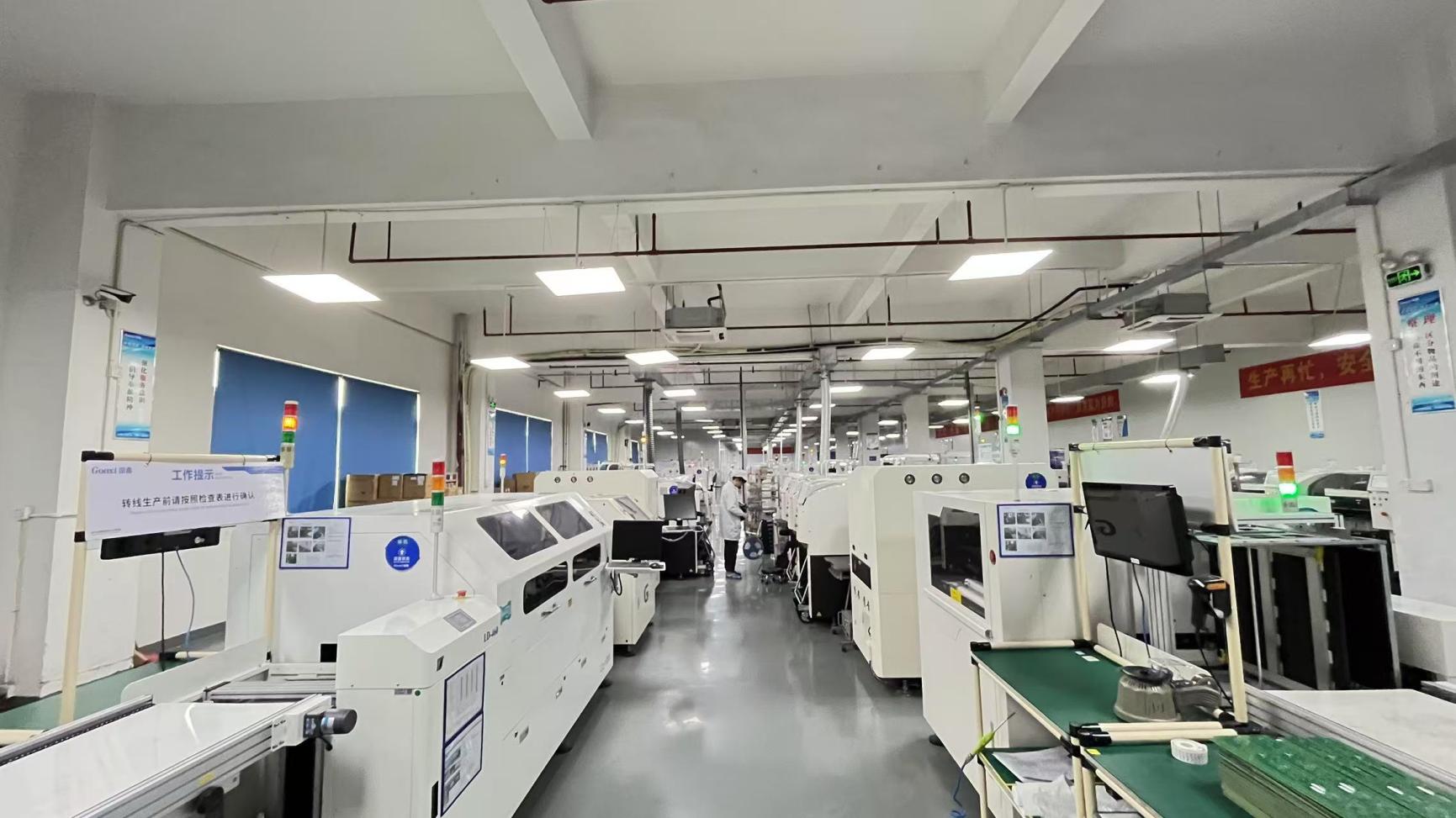
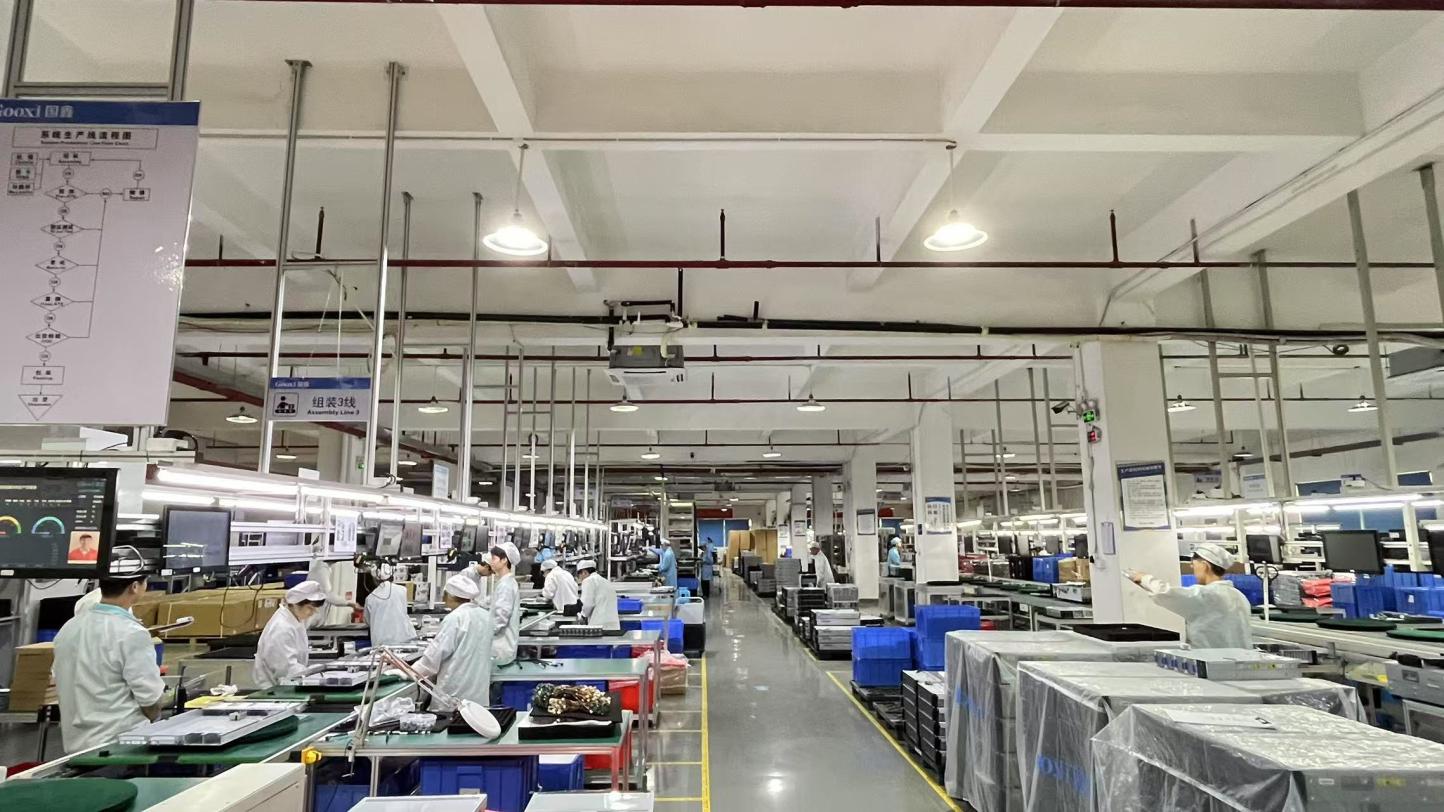
Klyvora Node Technologies Ltd. is a high-performance computing infrastructure manufacturer specializing in AI GPU server systems, scalable compute clusters, and enterprise-grade data center solutions. Established in 2016, the company operates a modern production facility with a total building area of approximately 320㎡, supporting integrated R&D, assembly, testing, and quality control operations.
The company reports annual export revenue ranging between USD 8 million and USD 22 million, with over 6 years of export experience and 11 years of accumulated industry expertise in advanced computing hardware and system integration. Klyvora maintains a strong international trade background and serves major markets including North America, Europe, the Middle East, and Southeast Asia. Our proximity to the primary component hubs in Shenzhen and Dongguan allows us to secure raw materials and premium DRAM chips (from global giants like Samsung, SK Hynix, and Micron) faster and more cost-effectively than isolated overseas integrators.
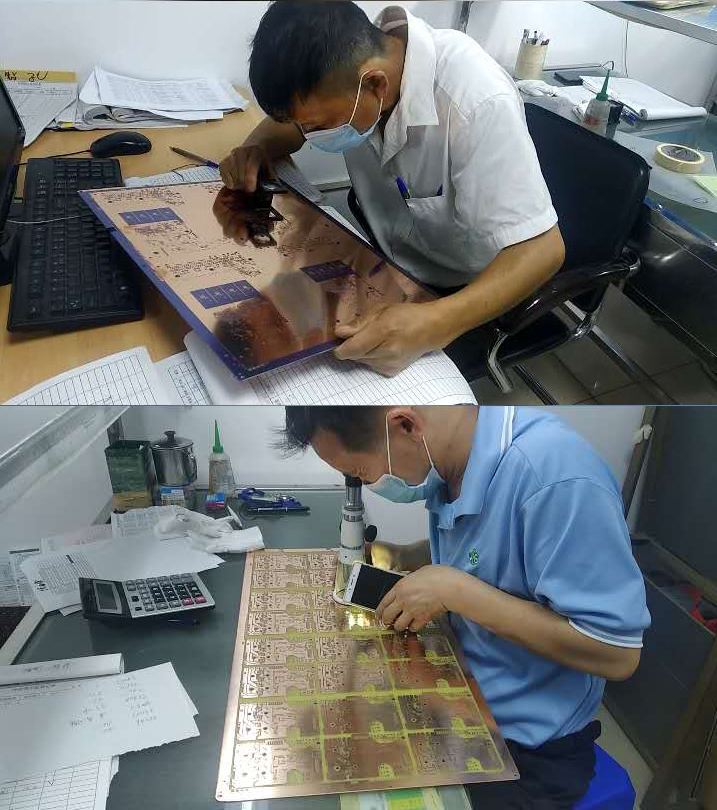
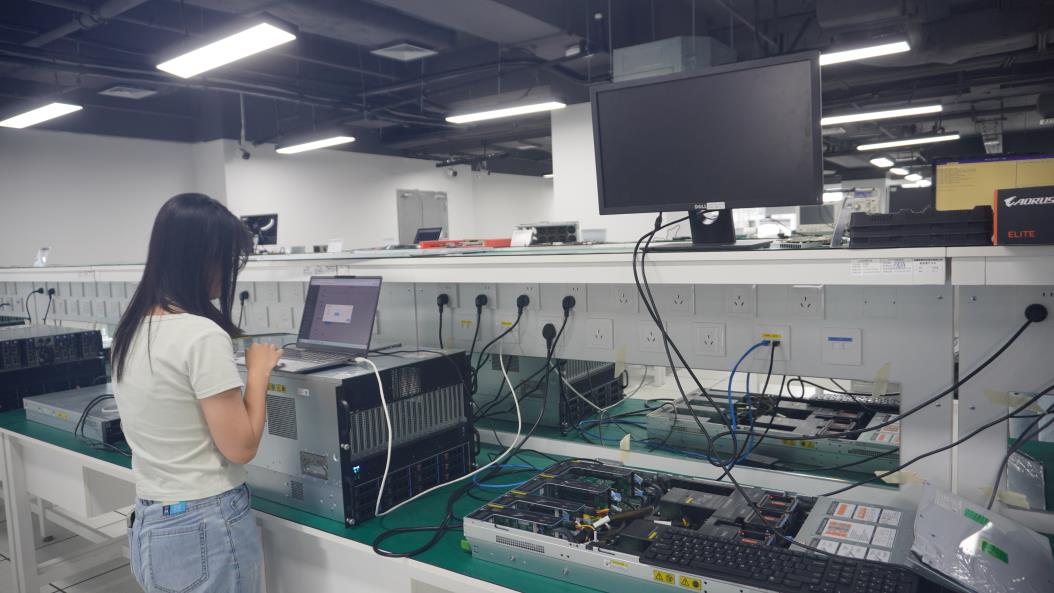
Klyvora Node Technologies employs a structured quality assurance system, combining automated testing methods, burn-in stress testing, and full-system validation procedures. Product inspection methods include thermal performance testing, hardware stress diagnostics, and multi-stage functional verification. The quality control team consists of approximately 42 dedicated professionals ensuring strict compliance with international manufacturing standards. Our testing ensures that every server memory module sent to Japan can withstand thermal expansion, voltage fluctuations, and continuous operation under maximum workloads.
The company collaborates with a global supply chain network of over 860 partners, enabling stable sourcing of high-grade components such as GPUs, server-grade motherboards, power systems, and cooling solutions. Its primary customer base includes AI research institutions, cloud service providers, enterprise data centers, and HPC solution integrators. We maintain strong R&D capabilities with a team of around 180 engineers focused on GPU server architecture optimization, liquid cooling innovation, and AI workload acceleration. The company supports a wide range of customization options, including chassis design, thermal configuration, GPU density optimization, and firmware-level system tuning. In the past year, Klyvora has launched approximately 86 new products, reflecting its continuous innovation in high-density computing systems and next-generation AI infrastructure solutions.
From advanced algorithmic trading to metropolitan automotive simulations: where server RAM reliability is critical.
Within the Nihonbashi-Kabutocho financial district, microsecond latencies determine profitability. Server memory configurations optimized with custom SPD timings and high-frequency DDR5 profiles are deployed inside edge nodes adjacent to the Tokyo Stock Exchange (TSE) AP3 trading network to ensure rapid execution.
Automotive R&D centers in the Kanto region require vast server RAM pools to execute real-time pathfinding simulations and safety models. Using ECC RDIMMs ensures mathematical integrity, avoiding transient memory bit flips that could compromise simulated physics data.
Tokyo's digital transformation (DX) initiatives have led major logistics and retail systems to run on containerized clusters. Memory density dictates container limits. Providing high-density 128GB modules allows hyper-converged nodes to scale from 50 to 500 pods without thermal throttling.
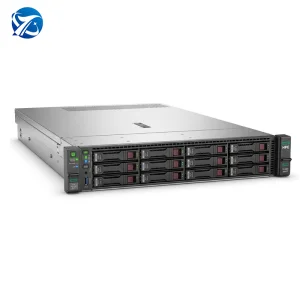
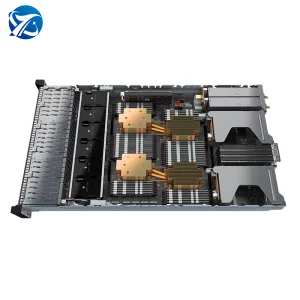
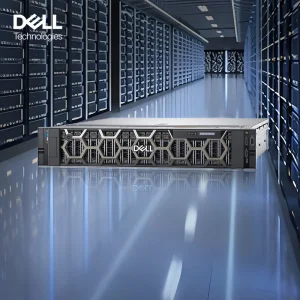
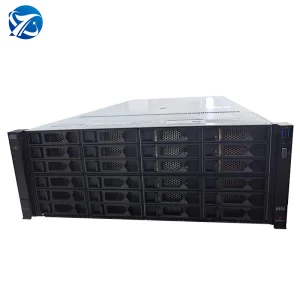
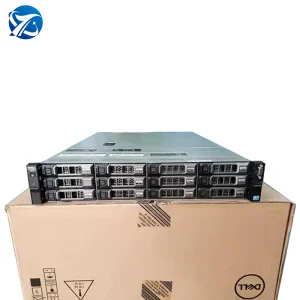
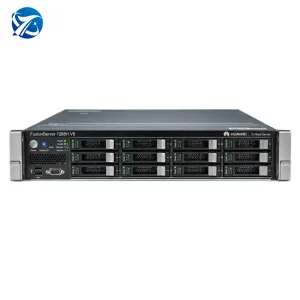
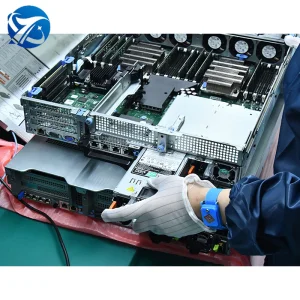
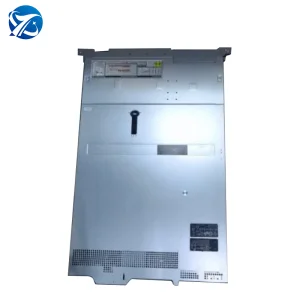
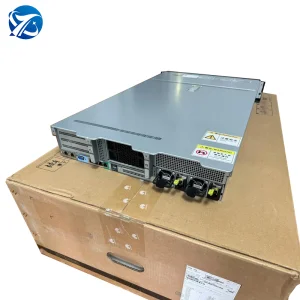
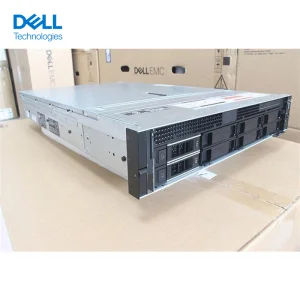
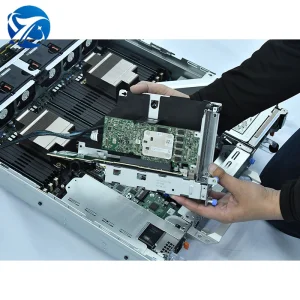
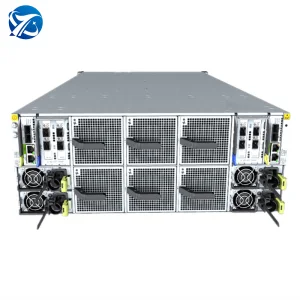
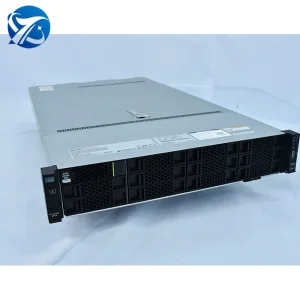
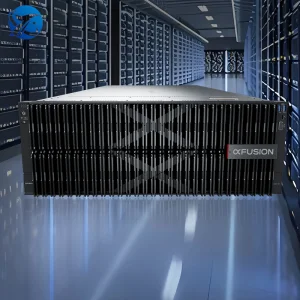
Browse our extensive lineup of performance rack servers, GPU units, and high-density compute systems customizable with advanced server memory packages.
Ensuring frictionless importing, electrical compliance, and custom hardware clearance into the Japan region.
Klyvora Node Technologies handles all customs documentation for shipments into Japan. By providing detailed HS Code classifications (typically under category 8473.30 for memory units and server parts) and complete declarations, we avoid delays at Japanese Customs. Shipments reach major data center facilities in Chiba, Kanagawa, or Tokyo within 48 to 72 hours from dispatch.
For fully integrated systems (such as our 1U/2U configurations containing custom RAM arrays), the power supplies and chassis elements meet the requirements of the Electrical Appliance and Material Safety Act (PSE) of Japan. This is crucial for local systems integrators who cannot deploy uncertified electronics due to corporate liability insurance requirements.
Unlike pure wholesale brokers, Klyvora provides firmware-level RAM tuning. We work directly with engineers at our clients' Tokyo offices to customize the memory controller settings in BIOS/UEFI. Whether adjusting sub-timings for lower transaction latencies or setting up dual-rank configurations for stability, our engineering team provides direct remote support.
Clear, technical answers to common queries raised by Tokyo system engineers and procurement officers.
Contact our hardware engineering team today for custom DDR5/DDR4 system integration, bulk component supply, and specialized testing.
Send Inquiry Now