Klyvora
Klyvora
Klyvora
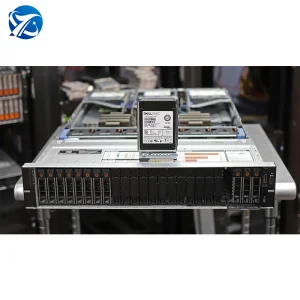
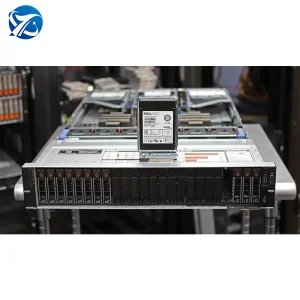
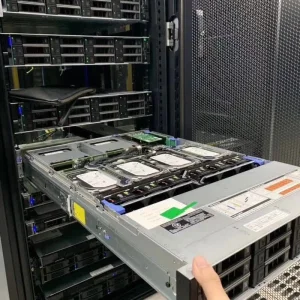
Optimized servers engineered to support complex deep learning workloads, LLM training, and massive data storage.
Ethiopia is undergoing a rapid technological evolution, catalyzed by the government's "Digital Ethiopia 2025" strategy. With structural reforms opening up the telecommunications sector and national utilities expanding power generation, Addis Ababa is fast becoming a core datacenter hub in East Africa. Key industries such as banking (Ethio Telecom’s Telebirr, Commercial Bank of Ethiopia), logistics, and public sector governance are rapidly shifting towards AI-driven automation, predictive modeling, and localized LLM (Large Language Model) deployment.
One of Ethiopia’s unique structural advantages is the abundant availability of cost-efficient, green energy. The activation of the Grand Ethiopian Renaissance Dam (GERD) provides data center developers with clean hydroelectric power at rates highly competitive on the global market. This renewable power profile matches the intensive energy needs of AI training and high-density GPU server clusters, allowing operators to run large-scale computing tasks with a minimal carbon footprint.
However, importing and deploying top-tier compute systems into Ethiopia presents distinct technical challenges. The high altitude of Addis Ababa (approximately 2,355 meters above sea level) results in thinner air, impacting thermal density and heat dissipation efficiency for standard server configurations. Klyvora Node Technologies specializes in engineering optimized GPU server platforms designed specifically to address these environmental and infrastructure constraints.
Standard air-cooling systems fail in low-density atmospheric conditions. Here is how our engineering tackles the challenge.
In high-altitude regions like Addis Ababa, the atmospheric pressure is roughly 25% lower than at sea level. This reduction in air density decreases the mass flow rate of cooling air, leading to elevated junction temperatures on high-TDP components. Klyvora configures servers with customized IPMI fan profiles and high-static-pressure fans, ensuring optimal heat dissipation without premature component degradation.
Grid stability in developing industrial zones can be subject to voltage fluctuations. To secure continuous model training loops, our GPU servers are integrated with titanium-grade redundant power supplies (1+1 or 2+2 configurations) capable of operating across wide input voltage tolerances, keeping processing units safe during power conditioning adjustments.
For installations looking to maximize rack density (such as 8-Way SXM5 configurations running TDPs of 700W+ per GPU), Klyvora offers custom direct-to-chip (D2C) liquid cooling loops. This strategy bypasses the limitations of air density altogether, utilizing closed-loop fluid circulation to keep cores operating at peak efficiency.
Bridging the gap between raw GPU compute potential and structural digital execution.
Ethiopia's mobile financial services, led by platforms like Telebirr, process millions of daily micro-transactions. To implement real-time credit scoring, fraud detection algorithms, and conversational customer service AI bots, banks and fintech institutions require robust local hardware. Our GPU nodes, equipped with NVIDIA and AMD architecture, permit rapid inference and real-time model updating, preventing reliance on high-latency cloud hosting elsewhere in the world.
Agriculture remains a cornerstone of the Ethiopian economy. Processing multispectral satellite imagery for crop health monitoring, soil moisture modeling, and weather pattern forecasting requires massive computing clusters. By implementing our multi-GPU servers locally, regional institutes can run complex convolutional neural networks (CNNs) directly in the country, cutting data transit costs and expediting critical agronomic insights to farmers.
Maintaining data sovereignty is a paramount goal for state organizations. Relying on foreign cloud infrastructure introduces security issues and compliance bottlenecks. Our server solutions allow local organizations, universities, and government agencies to build and host proprietary local models (such as Amharic sentiment analysis and speech recognition engines) within national boundaries, satisfying strict regulatory frameworks.
Modern inference workloads demand specialized model weight distributions across nodes. With DeepSeek-R1 (671B parameters) rising in enterprise demand, we supply pre-configured multi-socket architectures featuring high bandwidth memory (HBM3e/HBM4) and optimized intra-node interconnects. This reduces token-generation latency for conversational and analytical deployments.
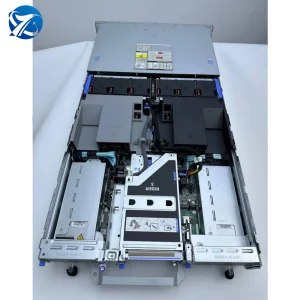
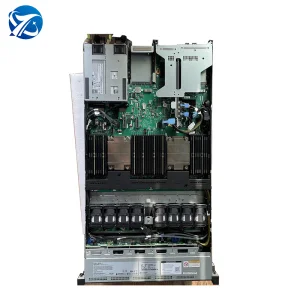
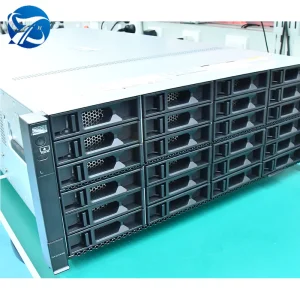
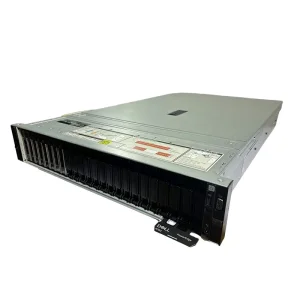
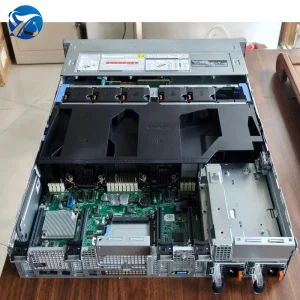
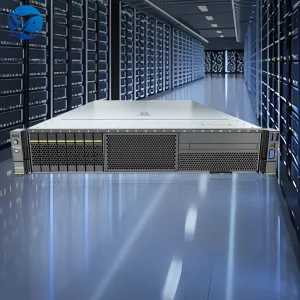
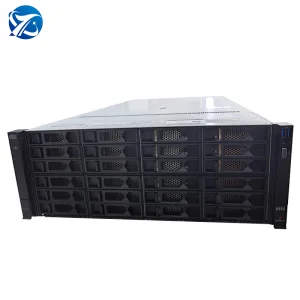
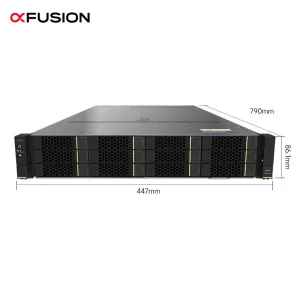
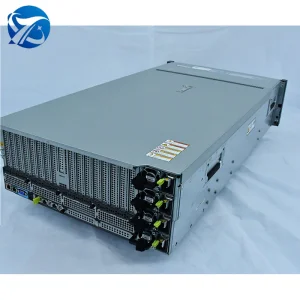
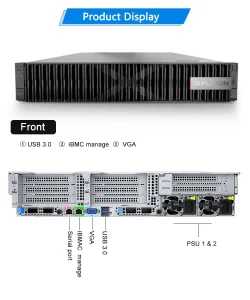
Explore our primary enterprise-grade servers catalog, ready for shipment and technical deployment in Ethiopia.
Scalable server configurations optimized for multi-tenant cloud centers and deep reinforcement learning clusters.
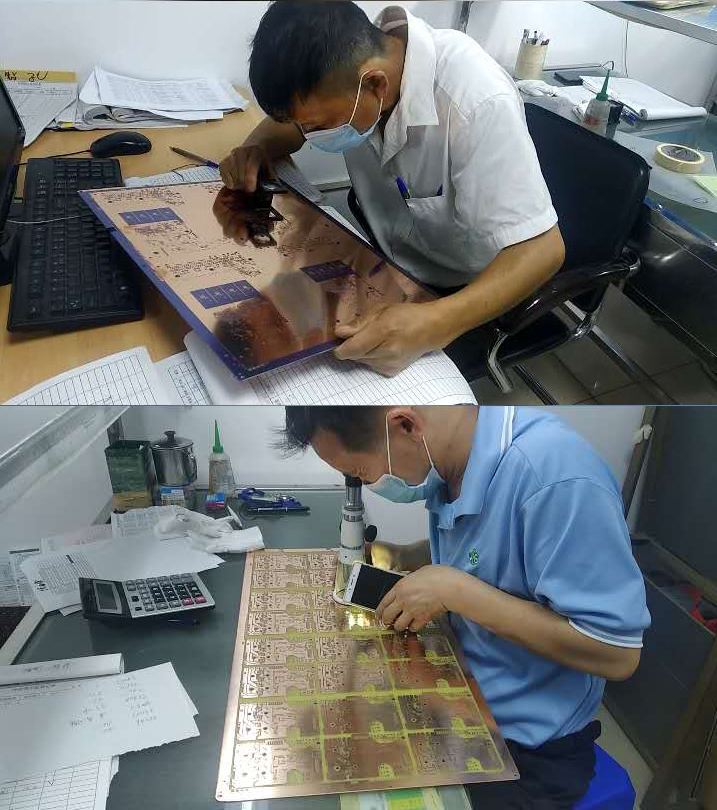
Learn how Klyvora Node Technologies integrates industry-leading QA standards to engineer high-capacity computing solutions.
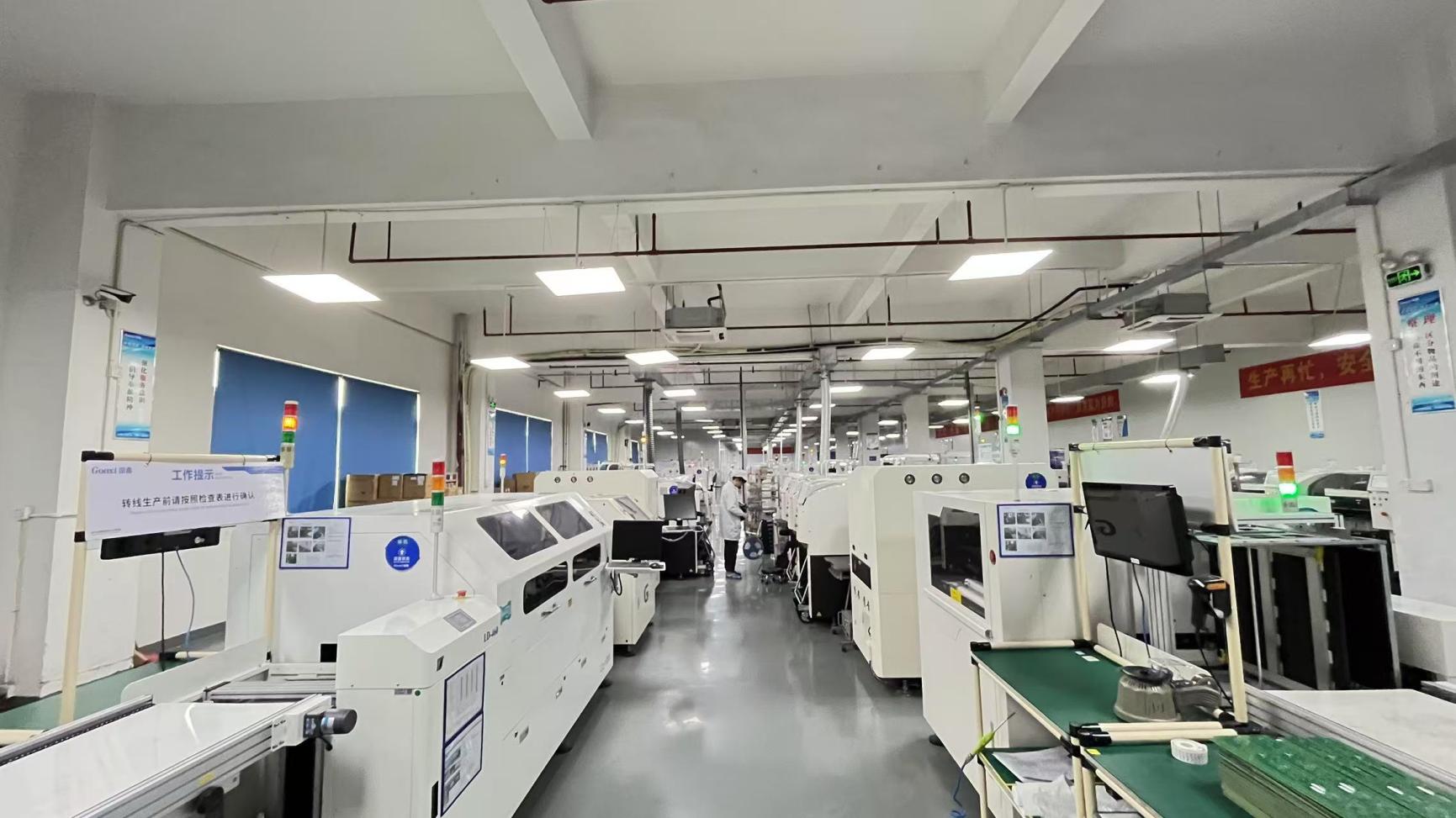
Klyvora Node Technologies Ltd. is a high-performance computing infrastructure manufacturer specializing in AI GPU server systems, scalable compute clusters, and enterprise-grade data center solutions. Established in 2016, the company operates a modern production facility with a total building area of approximately 320㎡, supporting integrated R&D, assembly, testing, and quality control operations.
Our organization has solid export records, reporting annual export revenue ranging between USD 8 million and USD 22 million. Guided by over 6 years of direct export experience and 11 years of accumulated industry expertise in advanced computing hardware and system integration, Klyvora maintains a strong international trade background and serves major markets including North America, Europe, the Middle East, and Southeast Asia.
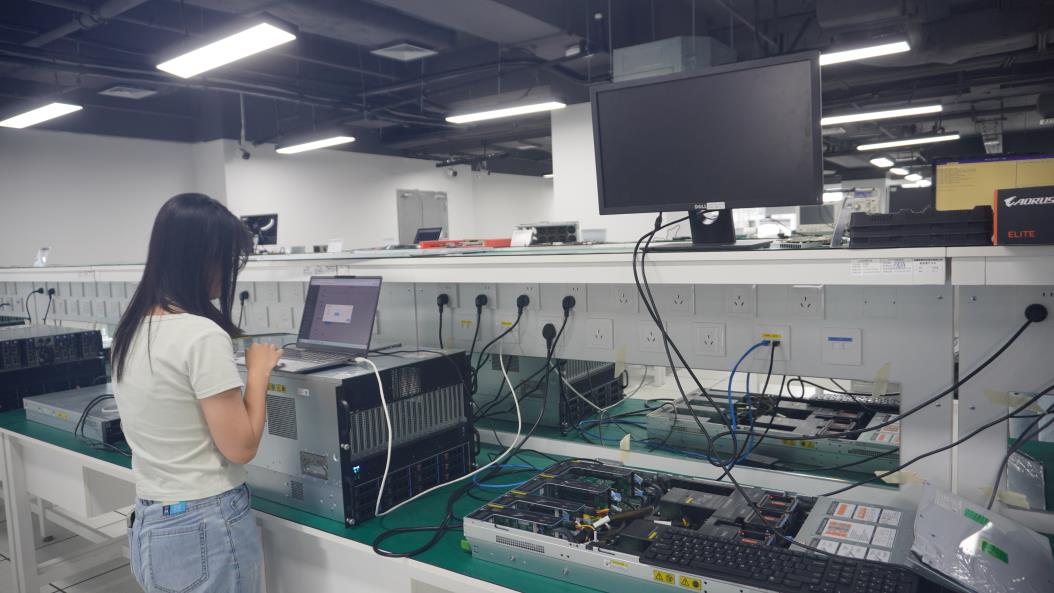
To secure reliability under extreme processing environments, Klyvora employs a structured quality assurance system, combining automated testing methods, burn-in stress testing, and full-system validation procedures. Product inspection methods include thermal performance testing, hardware stress diagnostics, and multi-stage functional verification. Our quality control team consists of approximately 42 dedicated professionals ensuring strict compliance with international manufacturing standards.
The company collaborates with a global supply chain network of over 860 partners, enabling stable sourcing of high-grade components such as GPUs, server-grade motherboards, power systems, and cooling solutions. Its primary customer base includes AI research institutions, cloud service providers, enterprise data centers, and HPC solution integrators.
Klyvora maintains strong R&D capabilities with a team of around 180 engineers focused on GPU server architecture optimization, liquid cooling innovation, and AI workload acceleration. We support a wide range of customization options, including chassis design, thermal configuration, GPU density optimization, and firmware-level system tuning.
In the past year, Klyvora has launched approximately 86 new products, reflecting its continuous innovation in high-density computing systems and next-generation AI infrastructure solutions.

Navigating the complexities of trade, currency control, and freight corridors in the Horn of Africa.
As Ethiopia is landlocked, approximately 95% of its import trade flows through the Port of Djibouti, linked directly to Addis Ababa by the Ethio-Djibouti Railway. Klyvora partners with regional logistics coordinators to manage containerized shipments from our manufacturing facility, securing prioritized port handling and customs clearance at the Mojo Dry Port terminal.
Foreign exchange regulation is a crucial consideration when sourcing IT infrastructure in Ethiopia. Our trade department is highly experienced in working under the National Bank of Ethiopia (NBE) guidelines. We accept and support payments via Letters of Credit (L/C) opened through commercial banks, ensuring contract documentation meets compliance requirements.
Through local IT engineering integration networks based in Addis Ababa, Klyvora provides post-delivery deployment support, diagnostic consultations, and custom hardware replacement options under predefined service-level agreements (SLAs), assuring system longevity in Ethiopian data facilities.
Clear, engineer-level answers addressing local infrastructure queries and procurement details.