Klyvora
Klyvora
Klyvora
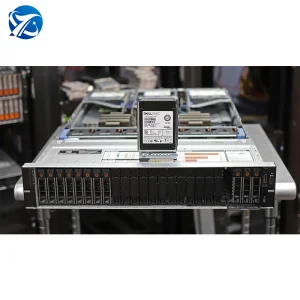
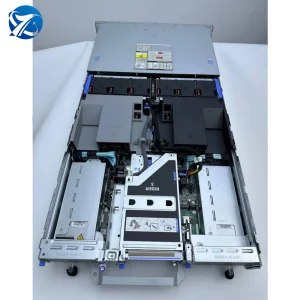
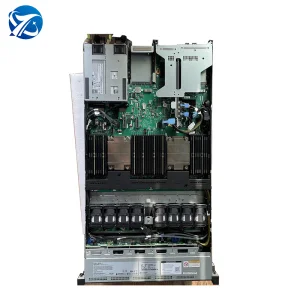
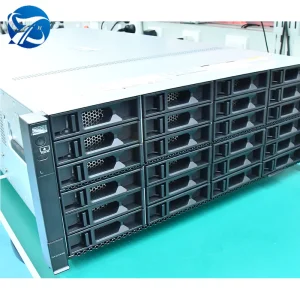
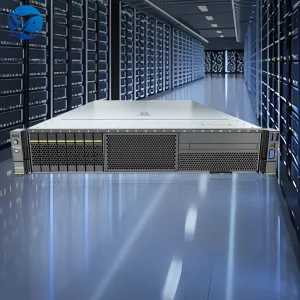
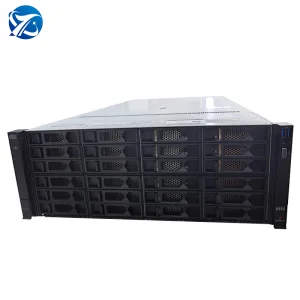
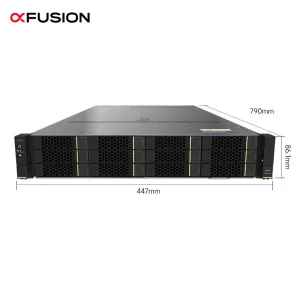
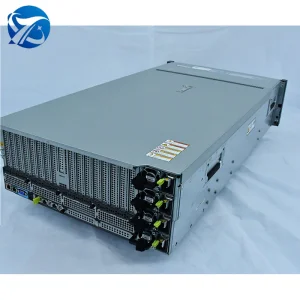
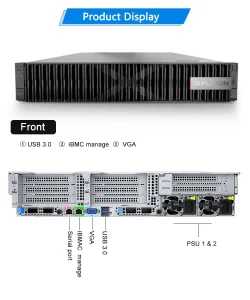
Our flagship, enterprise-grade AI computing nodes configured specifically for the high-density requirements and power environments of New Zealand datacenters.
New Zealand’s digital landscape is undergoing an unprecedented shift. As enterprises, Crown Research Institutes (CRIs), and local startups pivot toward large-scale machine learning, natural language processing, and deep analytics, the demand for localized hardware infrastructure has intensified. Geographical isolation has traditionally introduced latency challenges when relying solely on offshore cloud nodes in Eastern Australia or the United States. This physical reality drives the business case for locally deployed, high-density AI GPU servers that ensure data sovereignty, localized execution, and latency mitigation.
Furthermore, New Zealand’s commitment to sustainability creates a unique environment for computational expansion. With more than 80% of the nation’s electricity generated from renewable resources—principally hydroelectric, geothermal, and wind—running high-TDP (Thermal Design Power) GPU workloads locally matches green compute mandates. AI developers, financial institutions, and agricultural researchers can run intensive training runs using clean Kiwi power, resulting in a significantly lower carbon footprint than traditional overseas datacenters powered by fossil fuels.
In response to international privacy requirements, indigenous cultural alignment (such as Te Reo Māori speech synthesis and natural language models), and intellectual property protection, New Zealand institutions are progressively building sovereign AI capabilities. Relying on API-based models hosted overseas creates legal vulnerabilities and long-term cost uncertainties. By manufacturing and deploying dedicated enterprise GPU racks within domestic data hubs like Auckland’s Hobsonville or Christchurch’s technology parks, companies can control their end-to-end model development lifecycle while adhering to strict local privacy regulations.
Klyvora Node Technologies Ltd. is a high-performance computing infrastructure manufacturer specializing in AI GPU server systems, scalable compute clusters, and enterprise-grade data center solutions. Established in 2016, we have grown to support integrated R&D, assembly, testing, and quality control operations, focused on producing high-efficiency server architectures capable of managing complex neural networks and deep learning tasks.
We operate with a robust global framework, reporting annual export revenues ranging between USD 8 million and USD 22 million. Drawing on over 6 years of international trade operations and 11 years of advanced hardware integration, we serve major technology sectors across North America, Europe, the Middle East, and Southeast Asia, and now bring customized, ultra-reliable hardware directly to the New Zealand and Oceanian market.
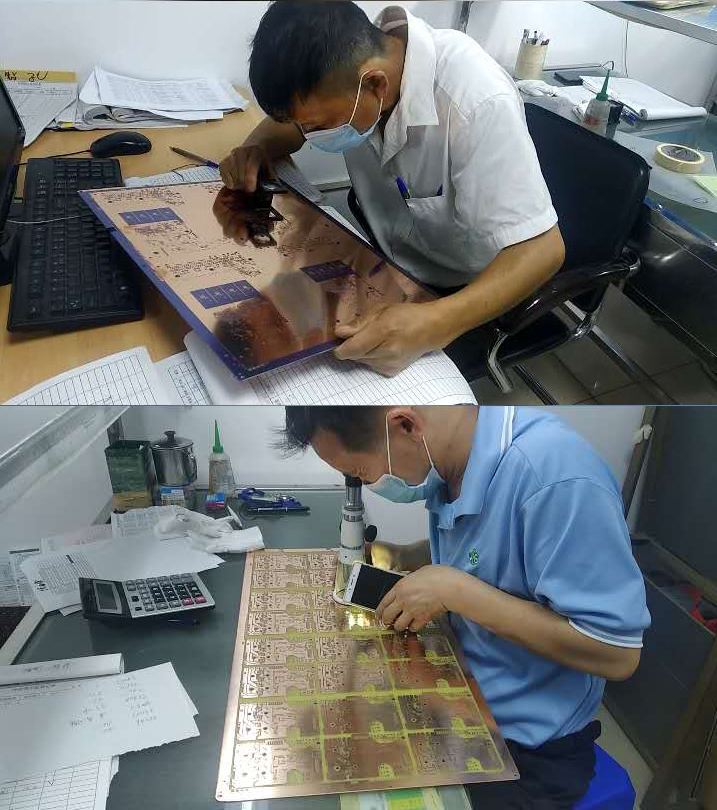
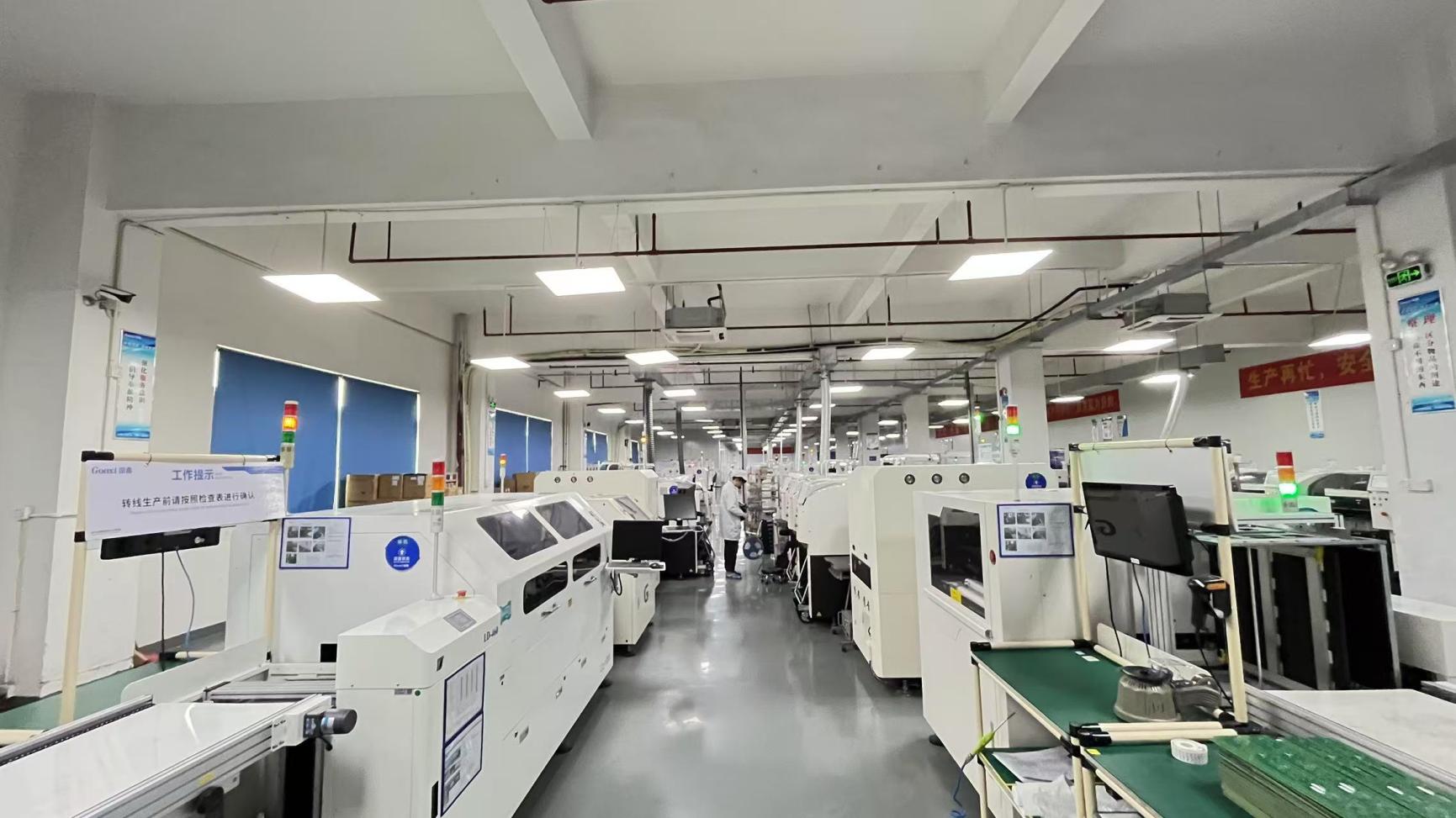
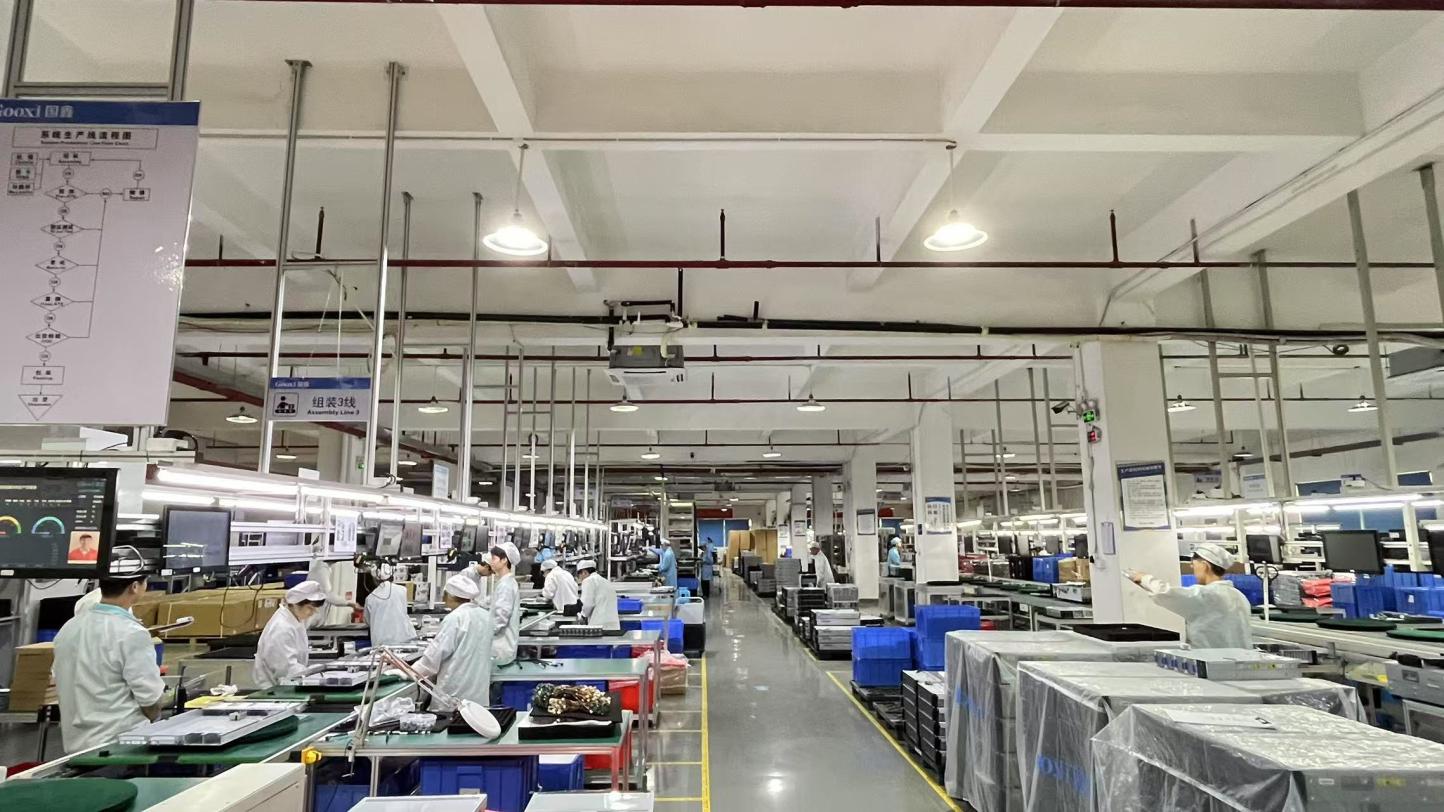
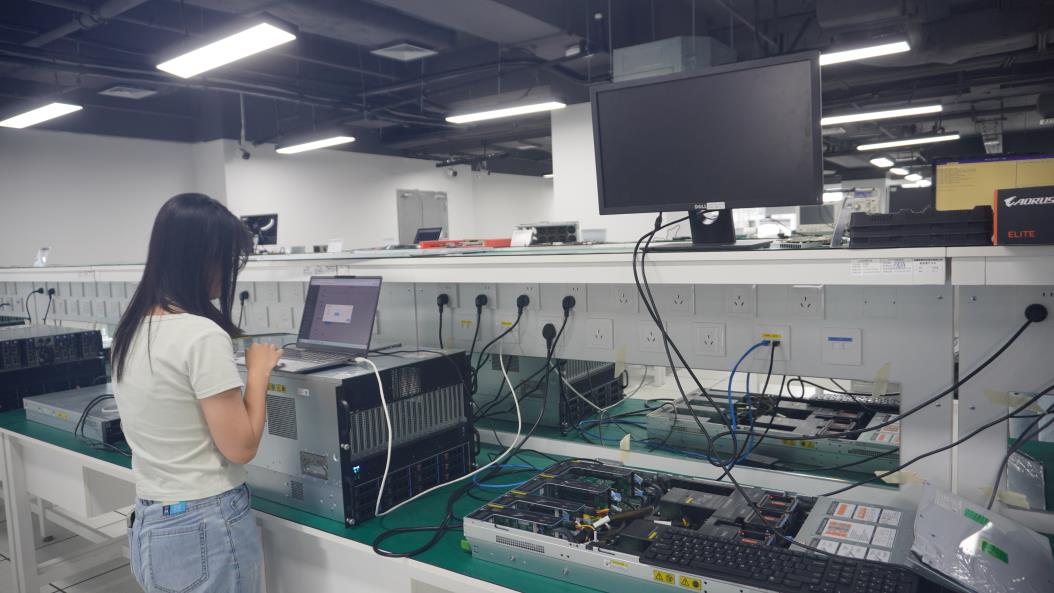
At Klyvora, reliability is engineered from the board layout upward. Our production system is backstopped by a dedicated team of approximately 42 Quality Control (QC) professionals who supervise multi-tiered testing protocols. Every GPU server undergoes prolonged thermal stress-testing, automated hardware diagnosis, and full-stack computational validation to guarantee system stability under 100% processing load. We maintain a partner network of over 860 verified component suppliers, allowing us to secure consistent access to Tier-1 server motherboards, multi-rail digital power systems, high-speed RAM, and PCIe Gen5 interfaces.
How specialized high-density server configurations are resolving New Zealand's unique industrial and scientific challenges.
Processing multispectral drone footage, tracking soil moisture via IoT sensors, and rendering real-time crop yields using local machine learning pipelines. Our servers allow agriscience firms to execute computer vision algorithms on-site, optimizing fertilizer application and predicting harvest yields without latency.
Wellington's cinematic and entertainment hubs demand heavy rendering capabilities. High-density GPU configurations optimize production schedules by running neural rendering, ray tracing, and physical modeling scripts locally, keeping post-production cycles tight and secure.
Geological simulations, climate tracking for the South Pacific, and marine ecosystem modeling. Academic institutions rely on Klyvora cluster solutions configured with EPYC dual-socket architectures and massive system RAM to run complex multi-physics calculations.
Deploying server hardware into regional facilities requires compliance with safety, power, and environmental guidelines. Klyvora ensures all GPU and network storage servers meet local regulations, including the AS/NZS 3000 Electrical Installations (Wiring Rules) and standard electromagnetic compatibility requirements. Our power delivery systems are rated to support the 230V/400V 50Hz grid systems typical across Kiwi datacenters.
Additionally, we optimize hardware for target Power Usage Effectiveness (PUE) metrics. Given New Zealand's moderate maritime climate, server systems can utilize ambient air economizers and indirect cooling loops, minimizing operational cooling costs. We design our rack enclosures to support high-flow ventilation patterns, aligning with green infrastructure configurations designed to reduce energy overhead.
Shipping precision server equipment across Oceania requires secure logistics. We offer customized packaging to protect against transit vibrations, humidity, and temperature variations during air or ocean transit to ports in Auckland, Tauranga, and Lyttelton. Every delivery includes transit insurance and complete system documentation, ensuring rapid clearance and integration into local network environments.
From deep learning systems to high-capacity NAS storage nodes, select the baseline architecture that fits your local development requirements.
As computational demands scale, Klyvora continues to evolve its infrastructure platforms. Our R&D division, featuring approximately 180 engineers, is optimizing server platforms to support higher TDP architectures and complex interconnect standards. The focus of our development roadmap covers several main advancements:
Air cooling is approaching its physical limits as high-density GPU accelerators push envelope limits past 700W per module. Klyvora is developing liquid loop integrations that transport heat directly from the silicon die to regional heat exchangers. This increases system performance by avoiding thermal throttling under intensive computational runs, reducing fan power overhead by up to 40%.
Data bottlenecking is a common limiting factor in large model training. Our next-generation chassis configurations utilize low-loss PCBs and advanced retimer chips to support PCIe Gen6 speeds, facilitating smooth communication between system memory, storage drives, and GPU accelerators.
To reduce power conversion losses, Klyvora is introducing 48V DC busbars directly within the server chassis. By reducing the number of conversion steps from the facility input down to the silicon processors, we achieve higher overall efficiency, aligning with international carbon minimization goals.
Technical details regarding customization, deployment, compliance, and shipping logistics for New Zealand enterprises.