 Klyvora
Klyvora
Klyvora
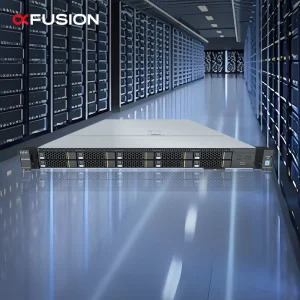
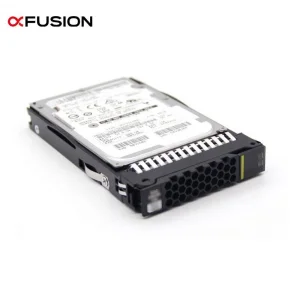
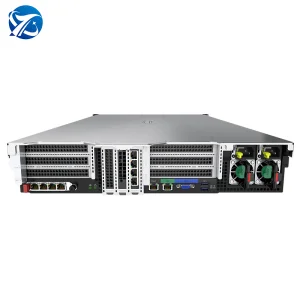
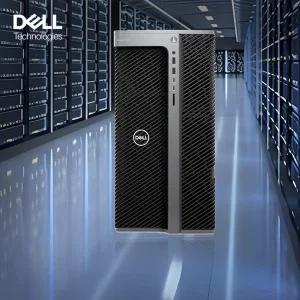
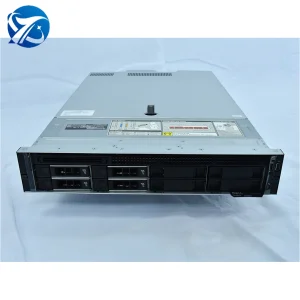

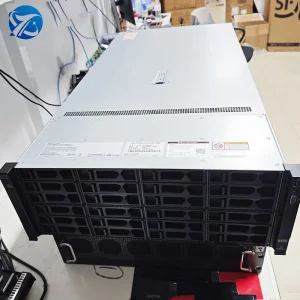
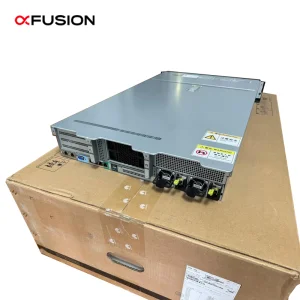
The global enterprise demand for high-performance computing (HPC) solutions is undergoing a monumental phase shift. As deep learning workloads, microservice API deployments, and large-scale language model systems (such as DeepSeek) grow increasingly complex, legacy server architectures fail to keep pace. Today's commercial computing operations require dense GPU acceleration, robust solid-state storage pools, and highly optimized server designs to handle exascale and petascale computational tasks.
Worldwide, industries are transitioning toward hybrid and multi-cloud solutions where GPU storage clusters function side-by-side with high-frequency CPUs. Key market drivers include the rapid adoption of edge intelligence, real-time autonomous systems, and predictive modeling in academic research. High-performance compute farms are no longer restricted to scientific laboratories; they have become the primary growth drivers for modern cloud computing infrastructure, smart cities, and heavy industrial simulation plants.
High-density computing arrays are specifically engineered to eliminate I/O throughput bottlenecks. By utilizing advanced enterprise NVMe drives (such as PM893 SSD arrays) coupled with PCIe Gen5 technology, servers can stream large-scale dataset matrices directly to acceleration components without performance degradation.
Established in 2016, Klyvora Node Technologies Ltd. has established itself as an authoritative leader in high-performance computing infrastructure. The company specializes in the development of AI GPU server systems, scalable computational clusters, and highly resilient datacenter arrays. Operating from a modern production facility designed with integrated R&D, precision assembly, and rigorous verification centers, Klyvora delivers tailored computing configurations optimized for global enterprise operations.
Klyvora provides extensive custom system configurations, including specialized chassis modifications, cooling optimization protocols, high-density GPU spacing setups, and tailored BIOS-level system tuning to align with client performance specifications.
All hardware undergoes a comprehensive validation system consisting of automated stress procedures, long-duration thermal runs, diagnostic load testing, and systematic physical layer inspections supervised by 42 dedicated specialists.
With annual export revenue ranging between USD 8 million and USD 22 million, Klyvora serves major technology sectors across North America, Europe, the Middle East, and Southeast Asia, maintaining strong supply alliances with over 860 partners.
Computing demands vary widely based on regional constraints, regulatory environments, and localized computing resources. Organizations deploying high-performance infrastructures must align hardware capabilities with these environmental variables:
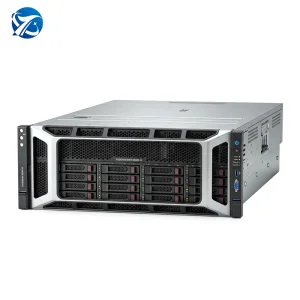
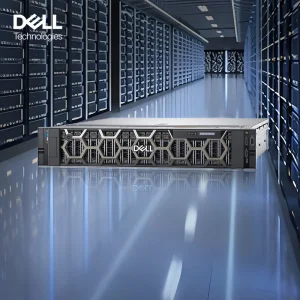
Cloud Scaling & Hyperscale Infrastructure: Deployments are characterized by hyperscale cloud environments. The focus is on maximizing server integration density, high-speed networking paths, and minimizing latency for edge microservices. Systems like the 2U rack mount units and the 8U GPU architectures are widely utilized in major research and enterprise datacenters.
Energy Efficiency & Green Initiatives: European facilities face strict power consumption rules. Systems must balance output with energy conservation. Power-efficient server configurations, advanced thermal designs, and energy-conscious storage drives (such as low-TDP SATA SSD modules) are critical to meeting environmental targets.
Industrial AI & Smart Infrastructure: The focus centers on large-scale public initiatives, intelligent urban networks, oil and gas exploration, and regional AI hubs. Hardware must offer high durability, thermal stability, and robust storage solutions to withstand challenging environmental conditions.
As advanced computing structures progress, server engineering is moving toward dense architectural configurations. Traditional air-cooling systems are reaching their limitations with the rising thermal footprints of high-end processing hardware. Designing next-generation setups requires deep integration of thermal physics and materials science.
Key areas of development include liquid-to-air cooling structures, modular power systems, and physical design changes that optimize airflow paths. Additionally, firmware-level system tuning allows developers to configure hardware specifically for demanding computation profiles, ensuring long-term reliability under continuous loads.
Klyvora Node Technologies Ltd. bridges the gap between hardware supply chains and specialized high-density setups. With a portfolio that expanded by 86 new systems in the past year, Klyvora remains at the forefront of server performance, offering robust system testing, custom integration services, and highly optimized platforms designed to meet the demands of enterprise-scale processing workloads.
With 11+ years of advanced hardware integration experience and strong developer alliances, Klyvora provides dependable, enterprise-ready infrastructure solutions.
High-performance computing acts as the backbone for diverse vertical sectors. Standard, off-the-shelf servers often fall short when addressing specific industrial complexities. Below are the macro-industry solutions tailored to meet these unique challenges:
Training large-scale deep learning models requires high GPU performance and fast storage arrays. Using systems designed for high-density GPU deployment helps scale complex neural networks while reducing processing times.
Complex scientific tasks like genomic sequencing, physics simulations, and climate modeling require raw processing power. Scalable 2U and 4U multi-socket computing architectures deliver the necessary performance for intensive data computations.
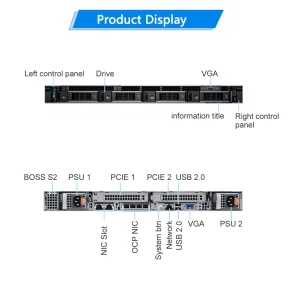
Datacenters must maximize computing output per square foot of rack space. Standardizing on space-efficient 1U and 2U multi-node rack servers allows cloud providers to scale compute capacity without expanding their physical footprint.
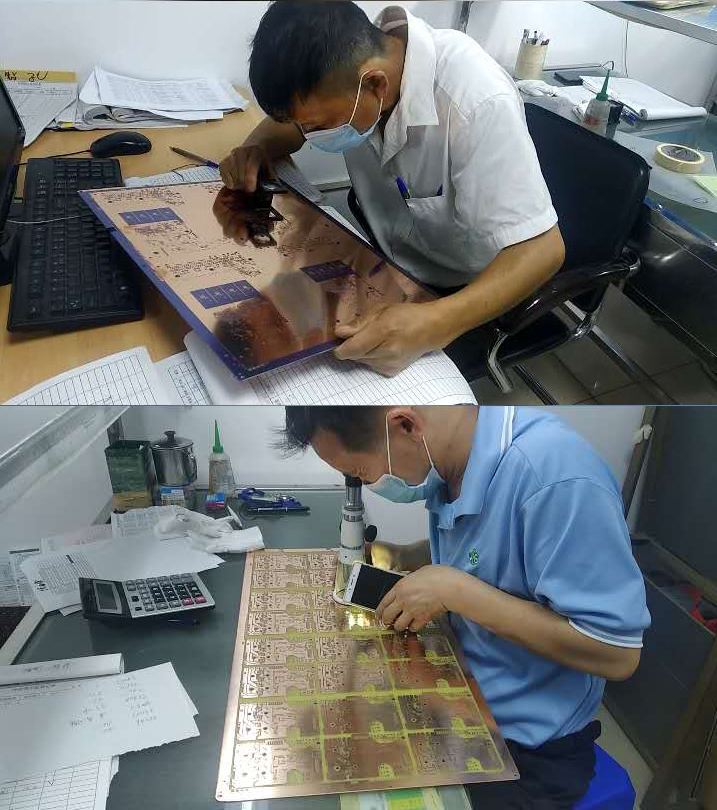
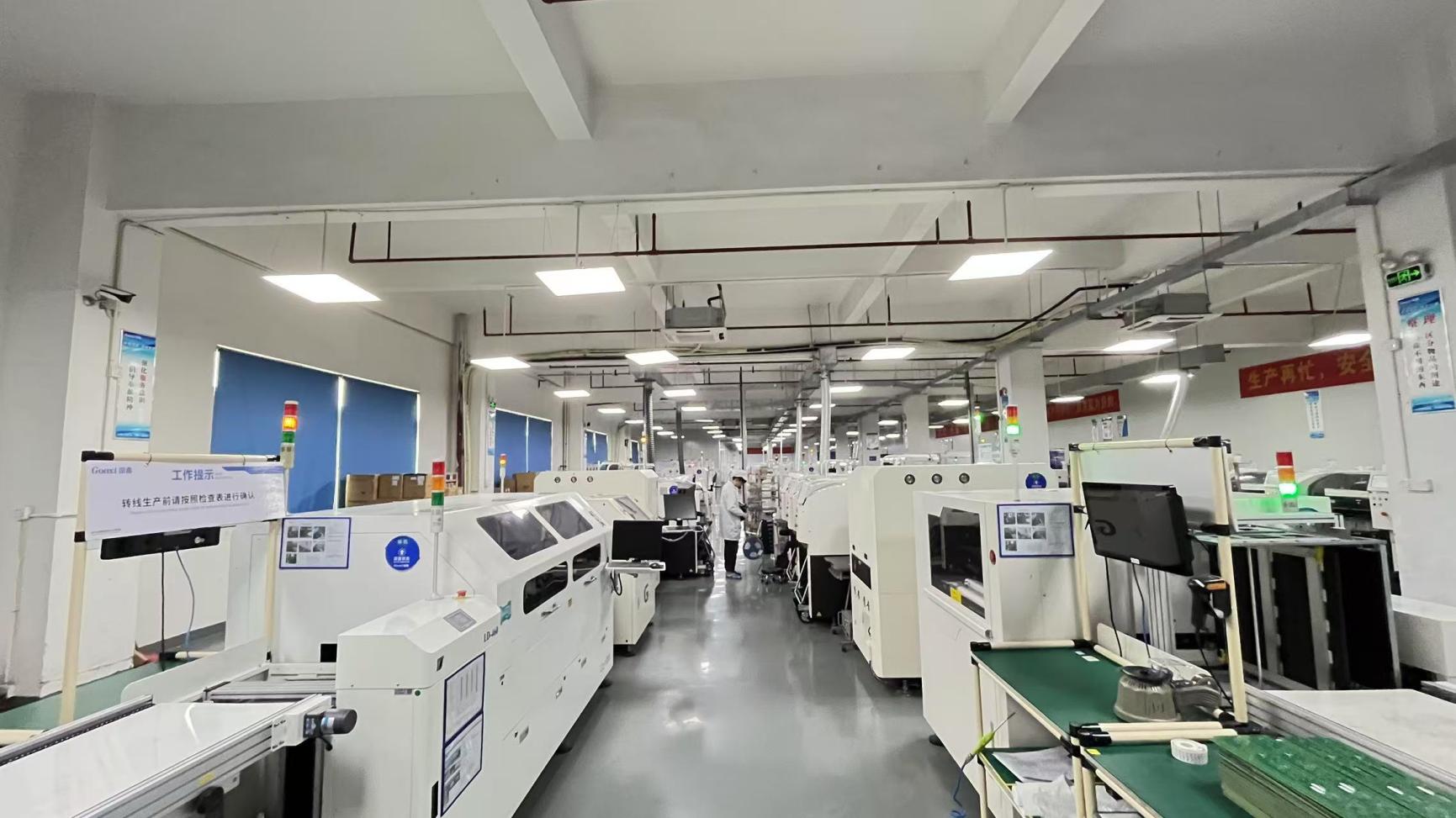
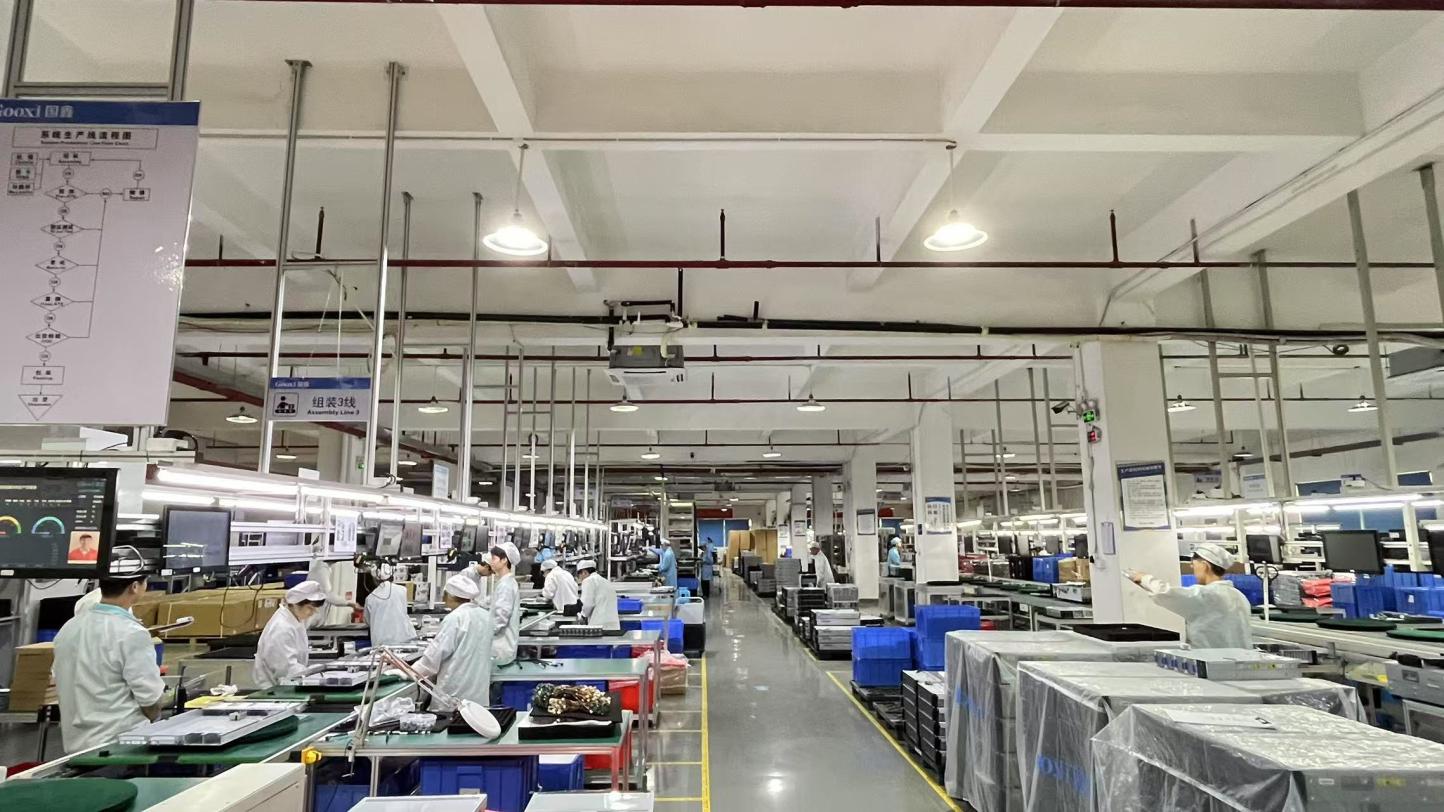
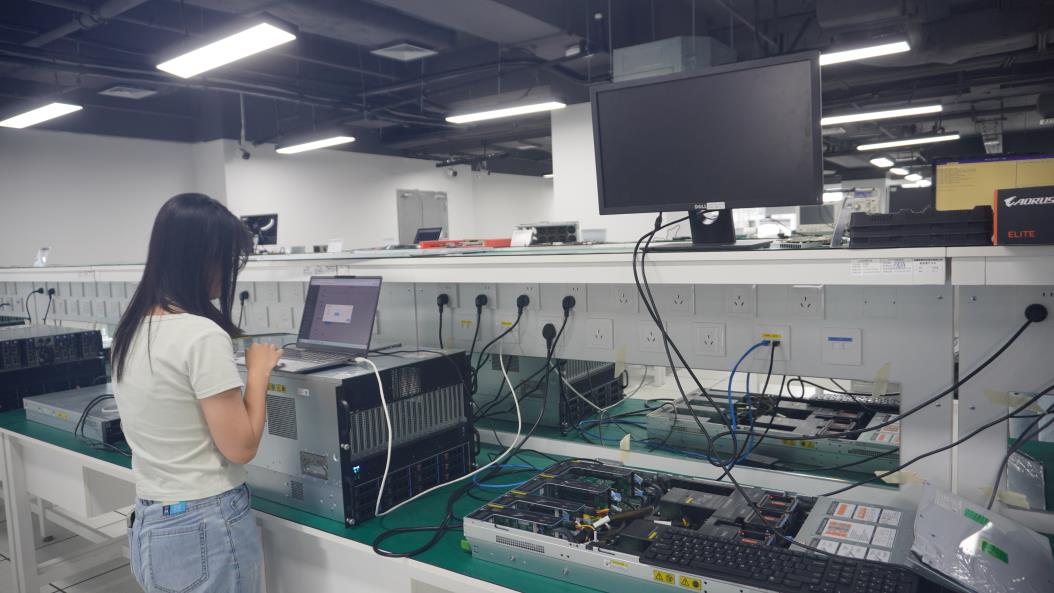
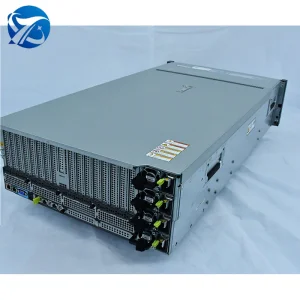
Every server built by Klyvora Node Technologies Ltd. is produced under strict quality standards inside our specialized manufacturing center. Below are scenes from our production facility and testing labs, showing where assembly, burn-in procedures, and detailed physical inspections occur:

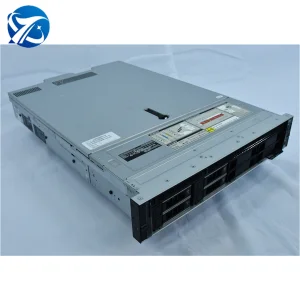
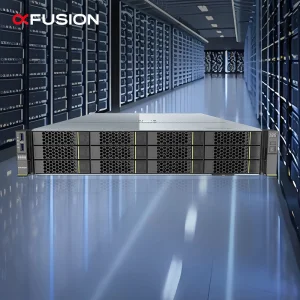
Find detailed answers to key operational and technological questions regarding the deployment, integration, and reliability of high-performance computing clusters.