Klyvora
Klyvora
Klyvora
Direct from audited factory lines: certified V6-series compute systems, fast arrays, and server component configurations.
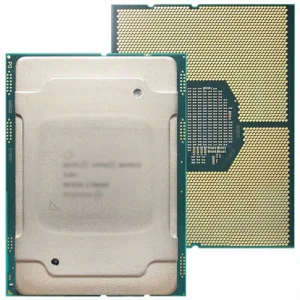
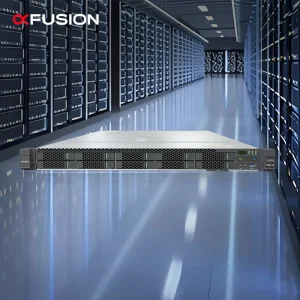
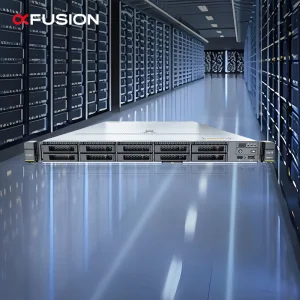
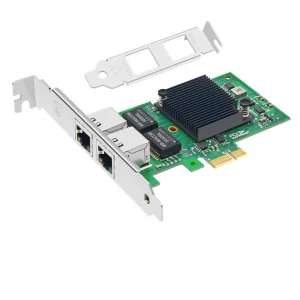
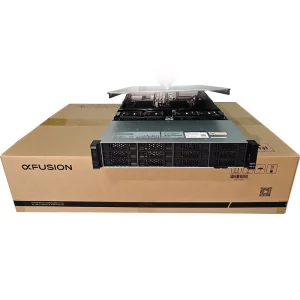
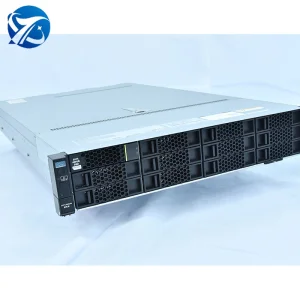
A comprehensive overview of China's advanced server manufacturing, processing, and engineering capabilities in the V6 platform ecosystem.
The global demand for high-density computing infrastructure is shifting toward consolidated, highly efficient server lines. In the enterprise domain, the V6 server platform (primarily powered by 3rd Gen Intel Xeon Scalable processors or equivalent architectures) represents the cornerstone of robust database management, cloud hosting, and hybrid virtualization. Klyvora Node Technologies Ltd. stands as a premium supplier, managing end-to-end system integration, advanced thermal validation, and deployment operations from China's primary high-tech production nodes.
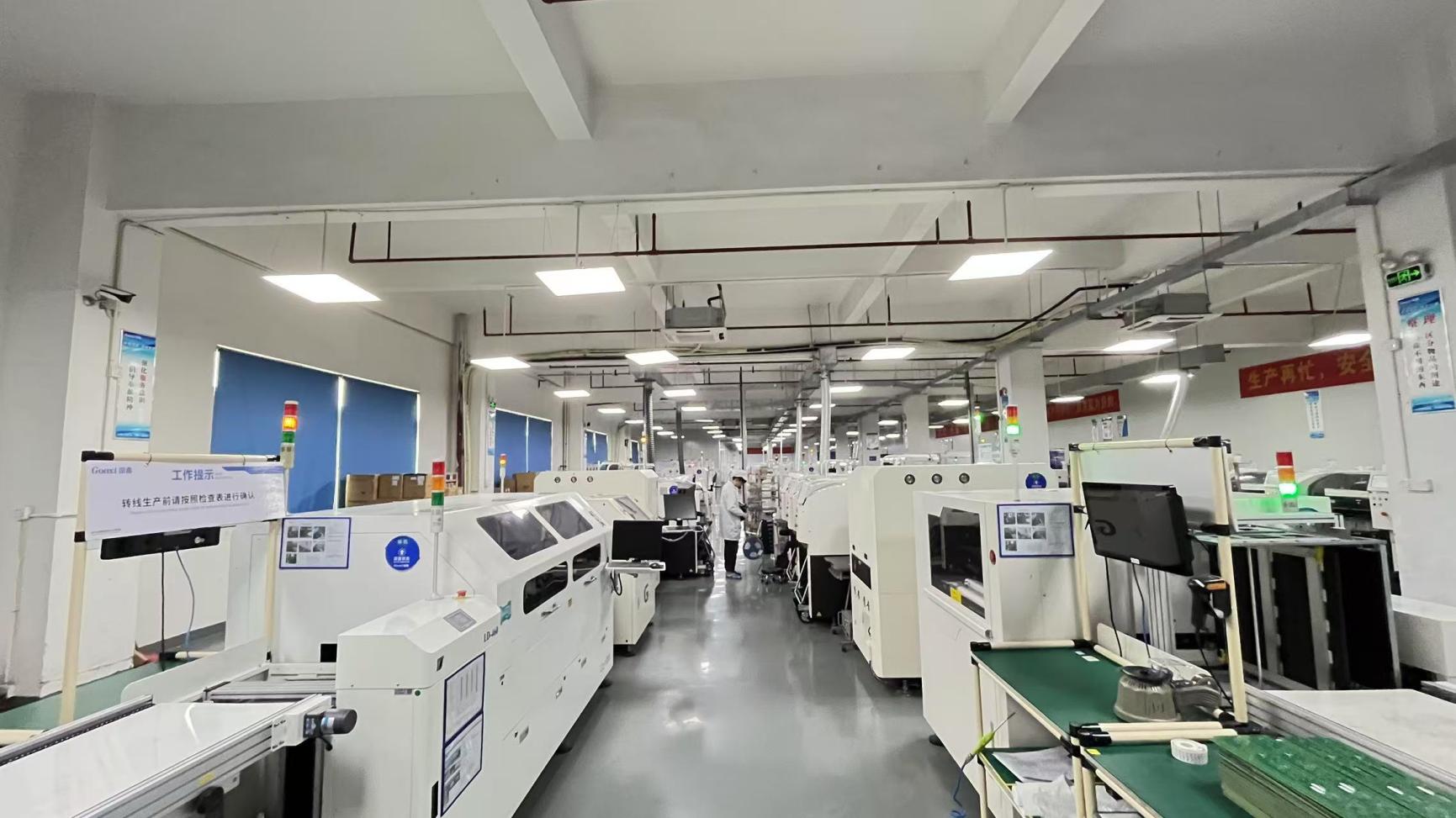
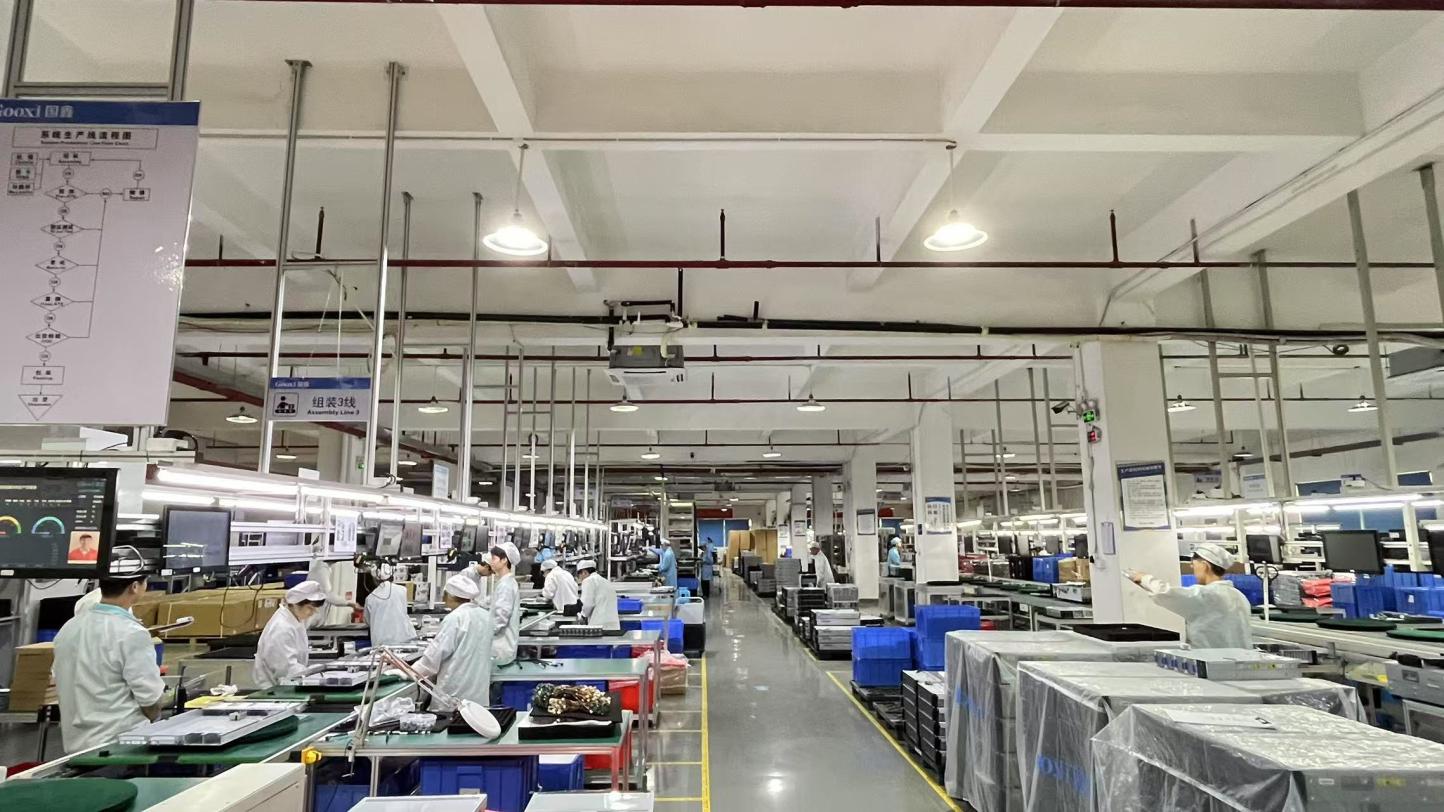
Established in 2016, Klyvora Node Technologies operates a specialized high-density manufacturing and system assembly facility. While utilizing a dedicated footprint optimized for custom configuration (approx. 320㎡ for clean-room assembly, custom firmware programming, and multi-stage testing), the enterprise manages to ship between USD 8 million and USD 22 million annually in high-performance hardware. This high capital-density output is made possible by an expansive partner network exceeding 860 tier-1 component suppliers globally.
By focusing R&D on thermal dynamics, hardware acceleration, and memory configuration, Klyvora supports system integrators, AI research institutes, and regional cloud service providers (CSPs) across North America, Europe, the Middle East, and Southeast Asia. The company's engineering team consists of approximately 180 design and software integration engineers, enabling rapid customization cycles that yield up to 86 new, task-specific product variations each year.
Why do enterprise clients, HPC centers, and SaaS platforms look to Chinese hubs for V6 systems and components? The answers lie in geographic supply-chain compression, expert component matching, and aggressive quality assurance loops.
| Hardware Aspect | Standard V6 Architecture Profile | Klyvora Custom Optimization Benefit |
|---|---|---|
| Processor Options | Intel Xeon Scalable 3rd Gen (Cooper Lake/Ice Lake) | Optimized thermal interface material & high-airflow 2U heat sinks. |
| Storage Controller | Standard SATA/SAS RAID Cards | Integration of 12Gb/s XC470C-M-8i cards with 4GB write cache. |
| Enterprise SSDs | Stock SATA 6Gb/s PM897 Enterprise SSDs | Pre-validated drive arrays with customized wear-leveling firmware. |
| GPU Density | Standard PCI-e expansion slots | High-density AI server design optimized for multi-card DeepSeek clusters. |
Analyzing the performance leap, storage throughput, and architectural stability of the enterprise-standard V6 family.
Support for dual-socket (2S) and quad-socket (4S) platforms like the 2488H V5/V6 line. Provides high core counts and massive memory footprint capacity for mission-critical databases and heavy ERP analytics.
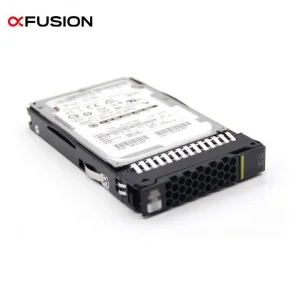
Flexible NVMe, SAS, and SATA backplanes. Incorporating 12Gb/s hardware RAID modules with high write-cache capacities keeps IOPS optimized under high-concurrency database requests.
BMC out-of-band management chips with proprietary security architectures enable administrators to perform remote bios updates, power-cycle hardware, and monitor sensor telemetry securely.
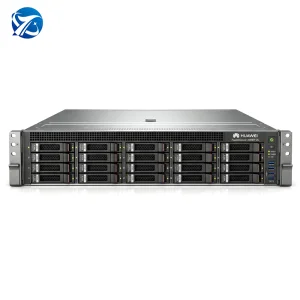
The architectural configuration of V6 systems (e.g., FusionServer 2288H V6, 1288H V6) provides a critical balance between CPU core counts, PCIe lane expansion, and thermals. The platform operates on 8-channel DDR4 memory architectures, ensuring high-speed access to memory space during large virtual-machine hosting operations. Furthermore, the integration of PCIe 4.0 lanes allows next-generation storage solutions like NVMe SSDs and high-capacity network adapters to communicate with minimal latency.
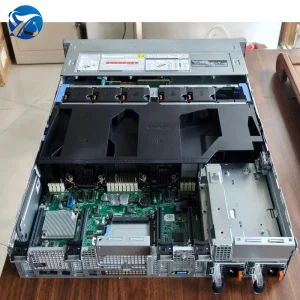
For workloads requiring accelerated graphics or intense compute processing (like DeepSeek AI models or deep machine learning setups), the V6 architecture allows for optimized thermal dissipation. Using highly tailored 2U space configurations, the servers support both standard air cooling with dynamic speed-adjusting fans and liquid cold-plate implementations designed to manage high TDP configurations seamlessly.
Data center solutions cannot rely on a single hardware configuration. Successful procurement relies on aligning hardware builds directly with target workloads. Here are the primary enterprise applications where V6 configurations excel:
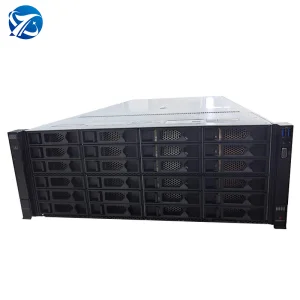
Large business organizations depend on consistent write-speeds and high memory capacities to prevent transaction lag. 4-Socket servers, such as the 2488H V5/V6 line, running dedicated arrays of enterprise SSDs (like the PM897 Series with hybrid read-write workloads), ensure that critical data processing runs with zero lag. Combining these setups with hardware SAS controllers like the XC470C-M-8i ensures RAID redundancy, eliminating the risk of data loss on critical system volumes.
The surge in neural network deployments (such as DeepSeek and other advanced open-source models) requires highly custom server design. 2U AI GPU servers equipped with high capacity DDR4 memory (256GB or more), and engineered for high TDP graphic processing card configurations, provide the compute throughput required for training epochs and high-frequency API responses.
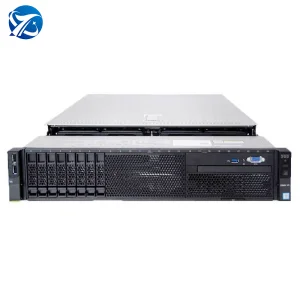
Cloud service providers require servers with low physical footprints but high core availability. The 1U 1288H V6 server offers two Intel Xeon Scalable processor sockets, fitting massive compute capacity into a minimal rack profile. Standardizing rack fleets with 1U V6 nodes enables cloud providers to scale core density while optimizing energy costs.
How Klyvora Node Technologies maintains system stability across thousands of enterprise node deployments.
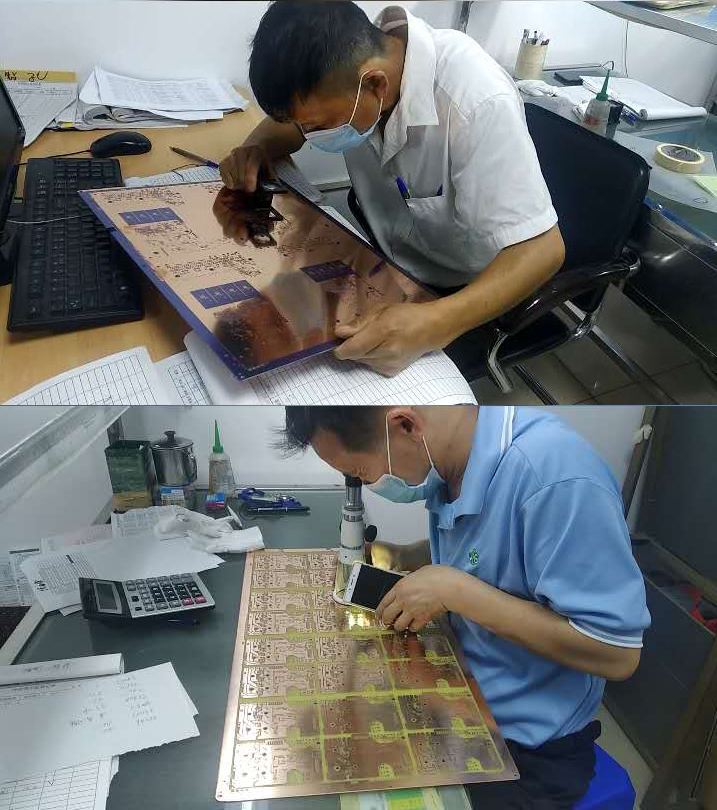
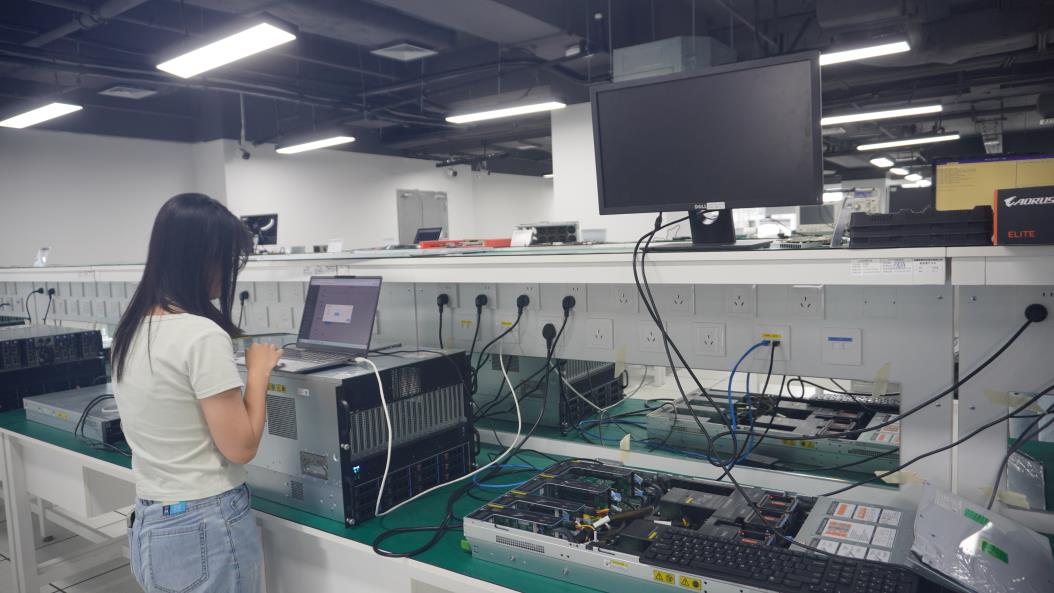
Hardware failure at the data-center level can lead to expensive client outages and data loss. Therefore, Klyvora enforces a structured quality assurance regime across all production steps. With 42 quality engineers supervising testing operations, each system undergoes a multi-point inspection before dispatch.
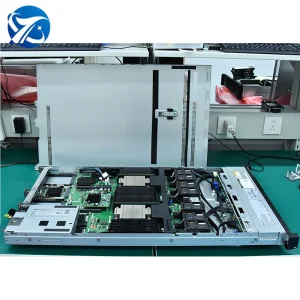
Inside our specialized precision testing, R&D, and custom server configuration facility.
Key information for data center managers, hardware engineers, and systems integrators.
V5 servers rely on 2nd Gen Intel Xeon Scalable processors with DDR4 memory running up to 2933 MHz. The V6 architecture leverages 3rd Gen Intel Xeon Scalable processors (Ice Lake), introducing PCIe 4.0, up to 40 cores per processor socket, and 8-channel DDR4 memory running up to 3200 MHz. The V7 generation introduces PCIe 5.0, DDR5 memory, and Intel 4th Gen Xeon Scalable processors (Sapphire Rapids), which are ideal for cutting-edge AI processing but command a higher budget profile compared to cost-efficient, highly reliable V6 workhorses.
AI infrastructure requires high network bandwidth, custom memory allocation (such as 256GB RAM thresholds), and robust PCIe bus routing. We optimize our GPU-focused servers to house specialized high-performance AI chips. Our cooling layouts ensure that high TDP accelerators operate within normal thermal envelopes, reducing performance degradation during long validation tasks.
The XC470C-M-8i is built on the advanced SAS3908 processor, supporting both SAS and SATA storage configurations. It provides 12Gb/s bandwidth, PCIe compatibility, and 4GB of write cache. By utilizing dedicated hardware cache and battery/capacitor-backed power protection, it ensures fast write speeds and prevents write corruption in the event of unexpected datacenter power losses.
Yes. Our R&D team of 180 engineers specializes in custom software and bios settings. We can configure custom settings, adjust IPMI profiles, program specific sensor fan tables, and pre-load hypervisor drivers prior to shipment, saving deployment time at customer data centers.
We have over 6 years of direct export experience shipping to North America, Europe, the Middle East, and Southeast Asia. We support FOB, CIF, DDP, and EXW terms. By cooperating with top global shipping networks, we guarantee safe delivery for complete rack integrations as well as individual components.
Complete your deployment specifications with our alternative V6 and V7 racks, custom GPU workstations, and system components.