Klyvora
Klyvora
Klyvora
Explore our premium range of secure AI GPUs, robust rack workstations, and precision M.2 RAID standard controllers optimized for threat resilience and processing integrity.
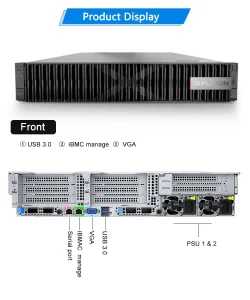
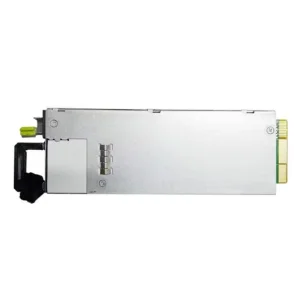
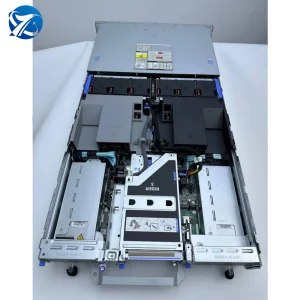
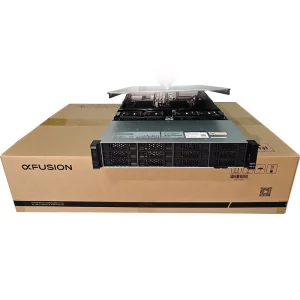
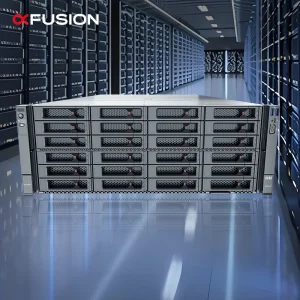
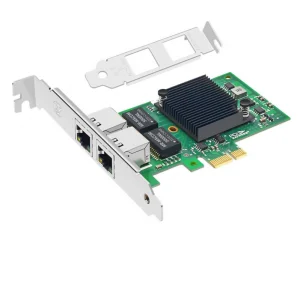
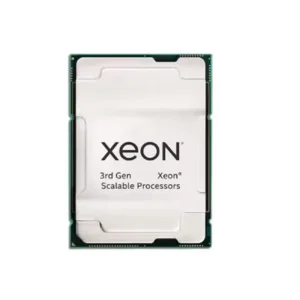
Klyvora Node Technologies Ltd. is a high-performance computing infrastructure manufacturer specializing in AI GPU server systems, scalable compute clusters, and enterprise-grade data center solutions.
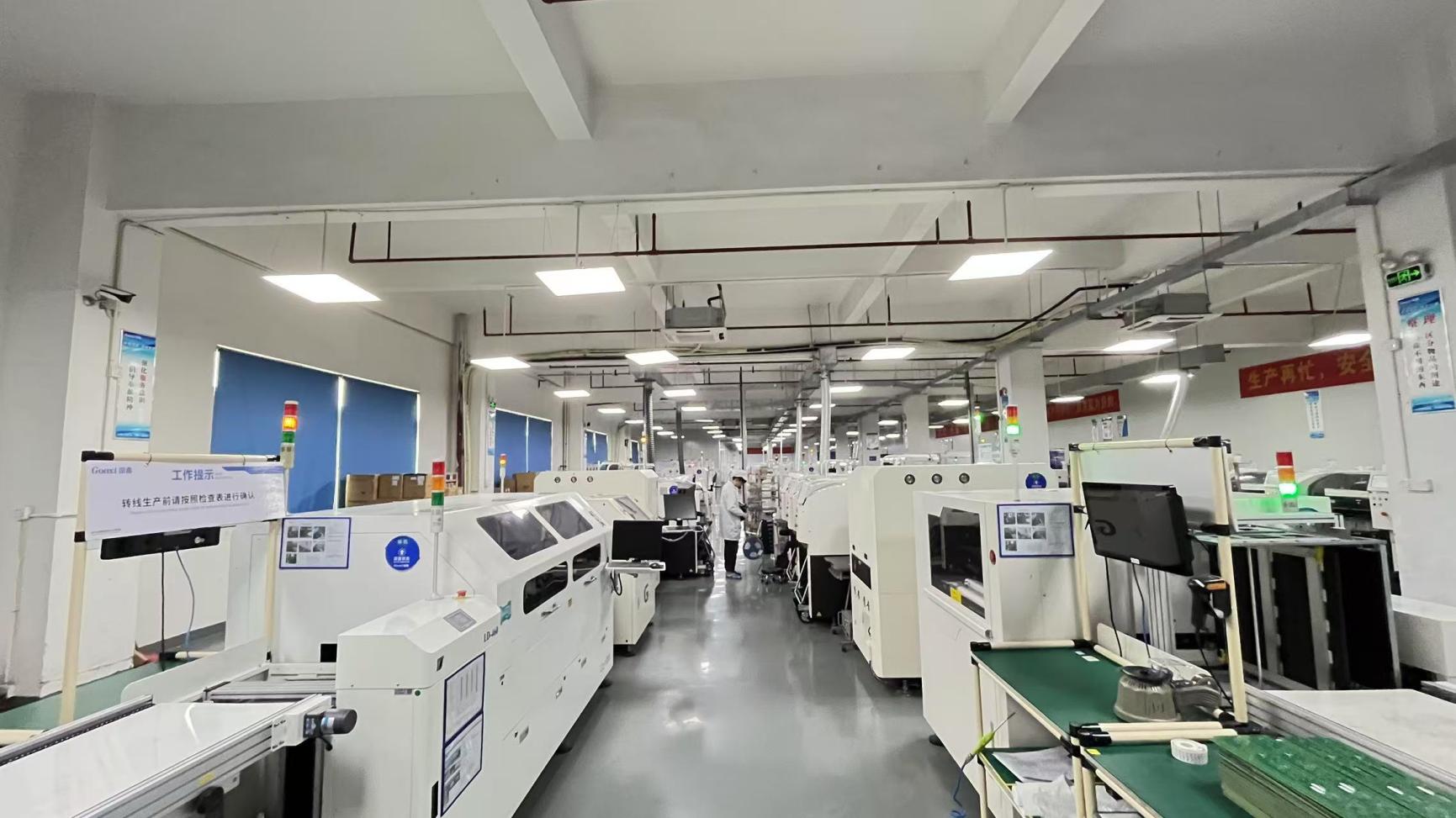
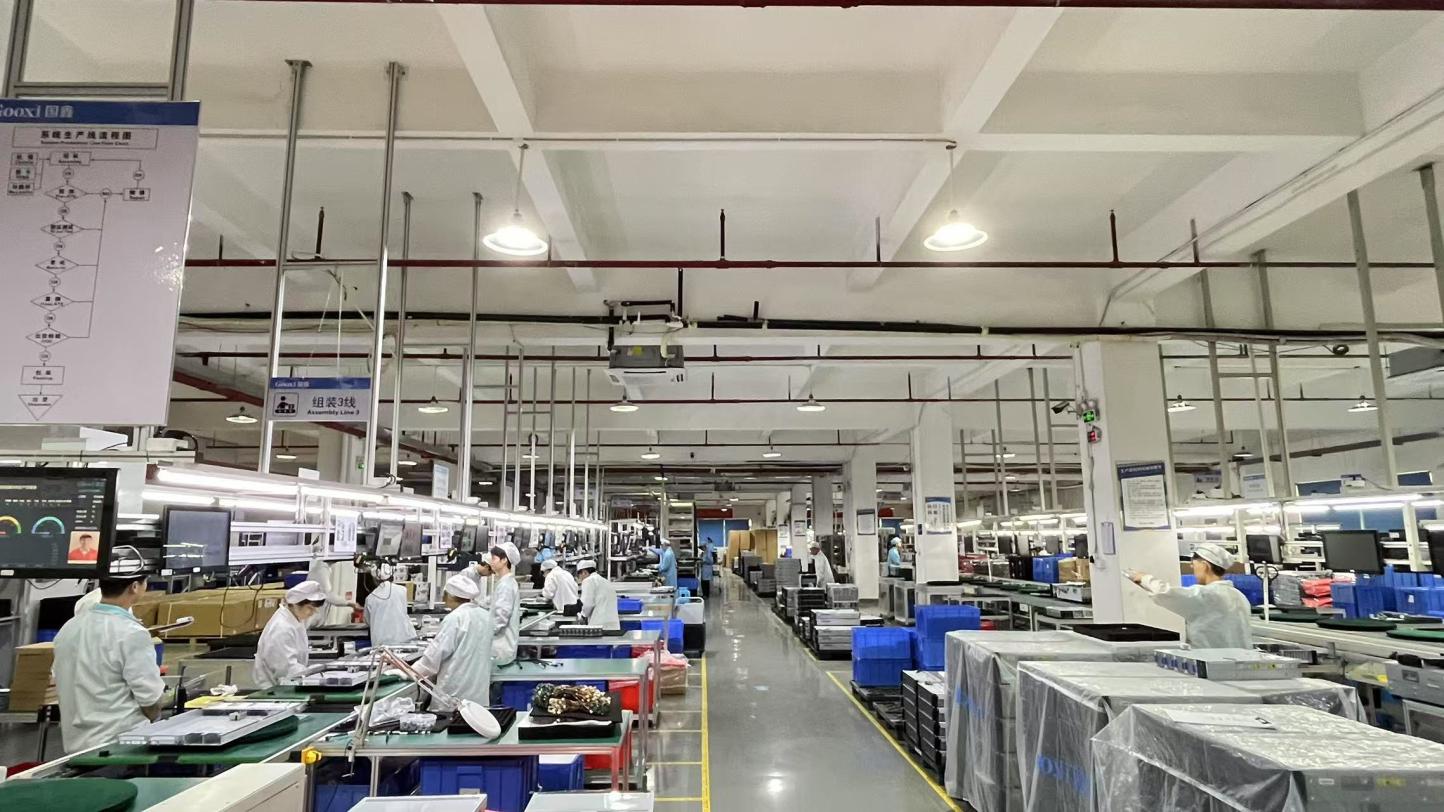
Established in 2016, Klyvora Node Technologies operates a modern production facility supporting integrated R&D, assembly, testing, and quality control operations. The company reports annual export revenue ranging between USD 8 million and USD 22 million, backed by over 6 years of export experience and 11 years of accumulated industry expertise in advanced computing hardware and system integration. Klyvora maintains a strong international trade background and serves major markets including North America, Europe, the Middle East, and Southeast Asia.
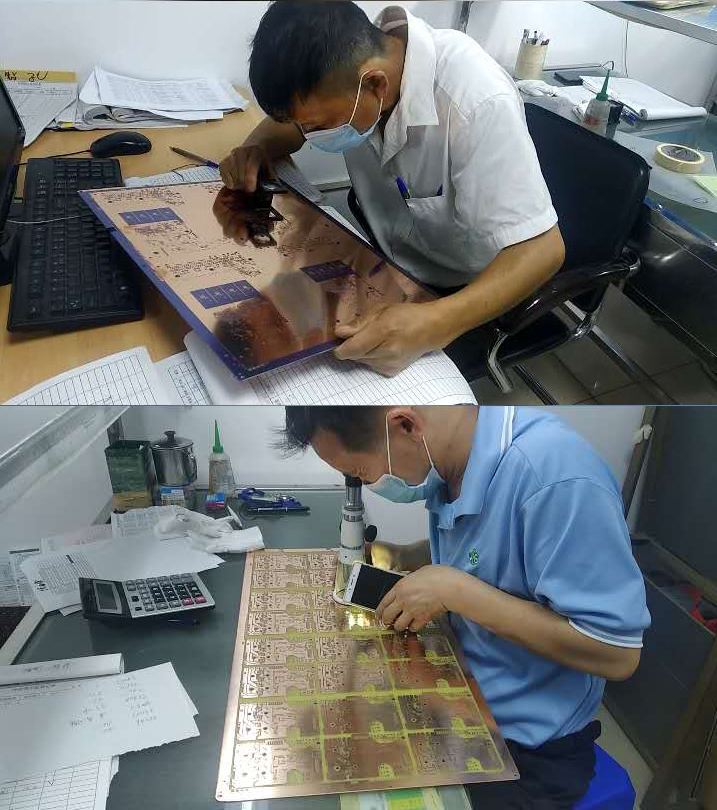
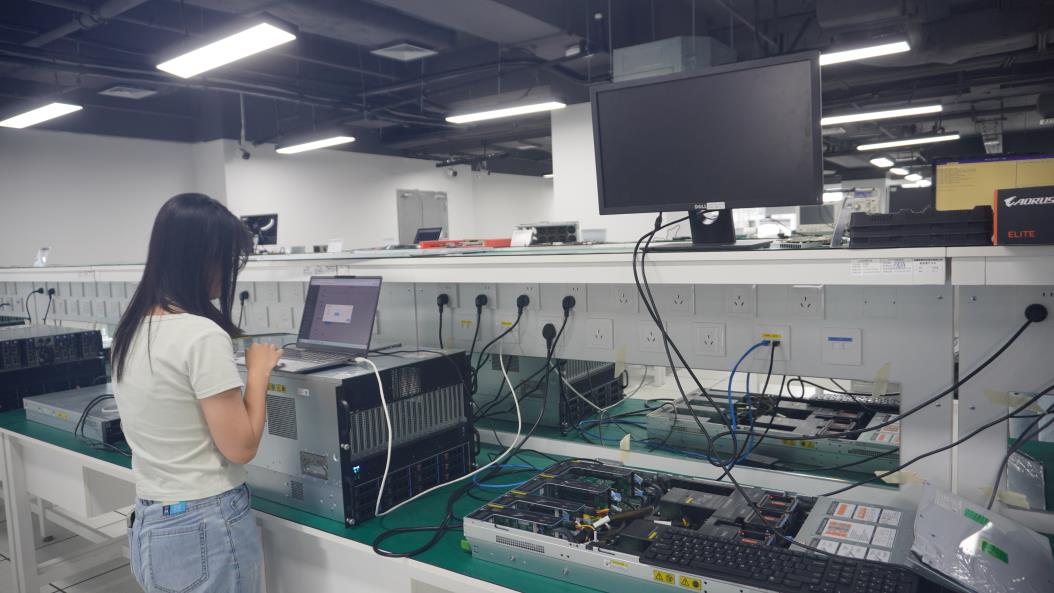
Our structured quality assurance system combines automated testing methods, burn-in stress testing, and full-system validation procedures. Product inspection methods include thermal performance testing, hardware stress diagnostics, and multi-stage functional verification. The quality control team consists of approximately 42 dedicated professionals ensuring strict compliance with international manufacturing standards.
Modern data centers and enterprise clouds operate in a hyper-threat landscape where cyber warfare, state-sponsored physical intrusion, and supply chain interception represent constant vulnerabilities. Traditional security models, which relied exclusively on software-level virtual firewalls and operating system mitigations, are no longer sufficient. Enterprise operations require robust physical security integration combined with silicon-level security configurations directly within the hardware platform.
From a global commercial standpoint, server security solutions encompass the physical containment design of server chassis, trusted platform modules (TPM 2.0), encrypted storage microcode, secure boot protocols, and intelligent Power Distribution Units (PDUs). As advanced machine learning technologies (such as LLMs and DeepSeek variants) proliferate, protecting high-density hardware structures against intellectual property extraction and runtime side-channel attacks has become critical for global infrastructure developers.
Several distinct vectors are shaping the hardware security landscape:
Our custom hardware configurations feature multi-layered validation systems designed to secure workloads at the silicon, firmware, and physical chassis layers.
Integrated TPM 2.0 and custom cryptographic boot chips establish an immutable chain of trust from power-on through OS initialization, blocking rootkits and firmware injections.
Dedicated BMC configurations with localized access control and separate network interfaces prevent malicious firmware modifications and remote physical compromises.
Secure memory encryption capabilities protect sensitive AI models, GPU cluster parameters, and multi-tenant databases from physical memory scraping attacks.
Compliance and infrastructure requirements vary across sovereign jurisdictions. Our server systems are built with modular designs to integrate smoothly with diverse security frameworks:
Our R&D roadmap focuses on engineering resilient server platforms for emerging enterprise threats:
1. Post-Quantum Cryptography (PQC) Integration: We are testing firmware signing processes utilizing quantum-resistant algorithms to secure boot structures against future decryption methods.
2. Liquid-Cooling Safety Interlocks: Our modern high-density systems feature physical leak-detection mechanisms integrated directly into the system management bus, allowing auto-shutdown procedures that protect data components in water-cooled environments.
3. Supply Chain Traceability: By monitoring component lifecycles in partnership with our 860+ supply chain network, we verify the origin of all silicon parts, preventing the introduction of compromised hardware elements during production.
We configure scalable server designs tailored to specific performance requirements, structural constraints, and security objectives.
Large-scale training clusters require robust data security architectures to protect valuable training sets and proprietary model weights. Our high-density AI servers feature dedicated cryptoprocessors that shield system memory and data buses, safeguarding proprietary assets during processing. Combined with high-efficiency cooling architectures, these units maintain reliable performance under continuous heavy computational workloads.
Our server structures utilize secure RAID controllers and custom PCIe boot configurations to deliver low-latency performance with built-in data integrity protections. Automatic hardware-level encryption and secure key storage modules protect data at rest, preventing physical drive extraction from exposing sensitive customer records or transactional data.
Clear, direct technical answers regarding server hardware security, system optimization, and global procurement procedures.
Explore our advanced dual-socket rack platforms, scalable storage units, and robust system configurations engineered for secure and reliable data processing.