 Klyvora
Klyvora
Klyvora
Select high-performance GPU and cloud computing server hardware optimized for complex deep learning modeling and scalable enterprise datacenters.
An analytical exploration into structural component engineering, supply chain resilience, and processing performance paradigms.
The modern data center landscape is undergoing a massive transformation, driven by high-density AI cluster processing, generative LLM modeling (such as DeepSeek R1 671B inference solutions), and hybrid virtualization setups. To sustain these workloads, server component architectures must meet strict tolerance benchmarks. China’s manufacturing sector has evolved from simple hardware assembly to advanced engineering, leading the market in architectural optimizations, PCB layout, high-frequency signal transmission, and custom firmware integrations.
Our comprehensive research reveals that procurement success is no longer determined by raw capital cost alone. Instead, it relies on complex co-engineering capabilities, thermal structural design, and component supply chain reliability. By working directly with top-tier components manufacturers, global enterprises can leverage regional supply chains to reduce turnaround times while securing custom motherboards, intelligent power distribution units (PDUs), scalable drive backplanes, and low-latency interconnects.
The concentration of advanced manufacturing in South China has created a highly integrated ecosystem. Every link in the chain—from raw die-casting and precision tooling to advanced multi-layer high-speed PCB fabrication—is situated within tight geographical hubs. This configuration enables agile engineering cycles, allowing manufacturers to move from schematic adjustments to physical validation testing in days rather than weeks.
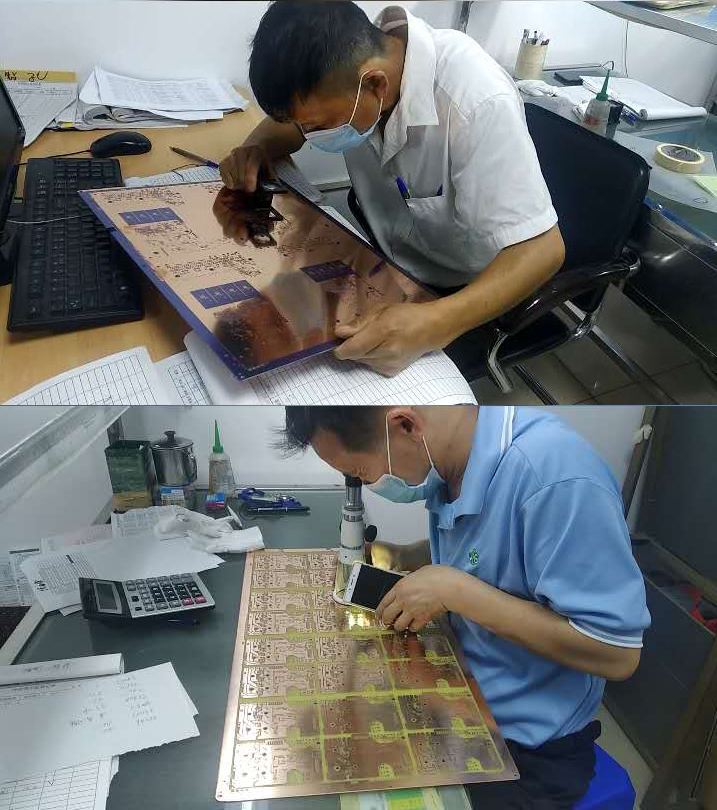
Furthermore, local design teams are highly skilled in optimizing layout trace designs to minimize crosstalk and insertion loss in modern PCIe Gen 5 and Gen 6 system topologies. This rapid development loop is critical when designing complex systems that use high-speed interconnect interfaces like NVMe pools or accelerator boards. Advanced Chinese factories integrate high-precision automated optical inspections (AOI) and comprehensive burn-in diagnostic scripts directly into the assembly line, ensuring consistent reliability for export shipments.
A look into our strict manufacturing standards, quality validation protocols, and global supply chain partnerships.
Established in 2016, Klyvora Node Technologies Ltd. is a high-performance computing infrastructure manufacturer specializing in AI GPU server systems, scalable compute clusters, and enterprise-grade data center solutions. Operating a modern production facility with a total building area of approximately 320㎡, we support integrated R&D, assembly, testing, and quality control operations under one roof.
With an annual export revenue ranging between USD 8 million and USD 22 million, over 6 years of export experience, and 11 years of industry expertise, Klyvora serves major markets including North America, Europe, the Middle East, and Southeast Asia. Our structured quality assurance system combines automated testing methods, burn-in stress testing, and full-system validation procedures to meet international quality regulations.
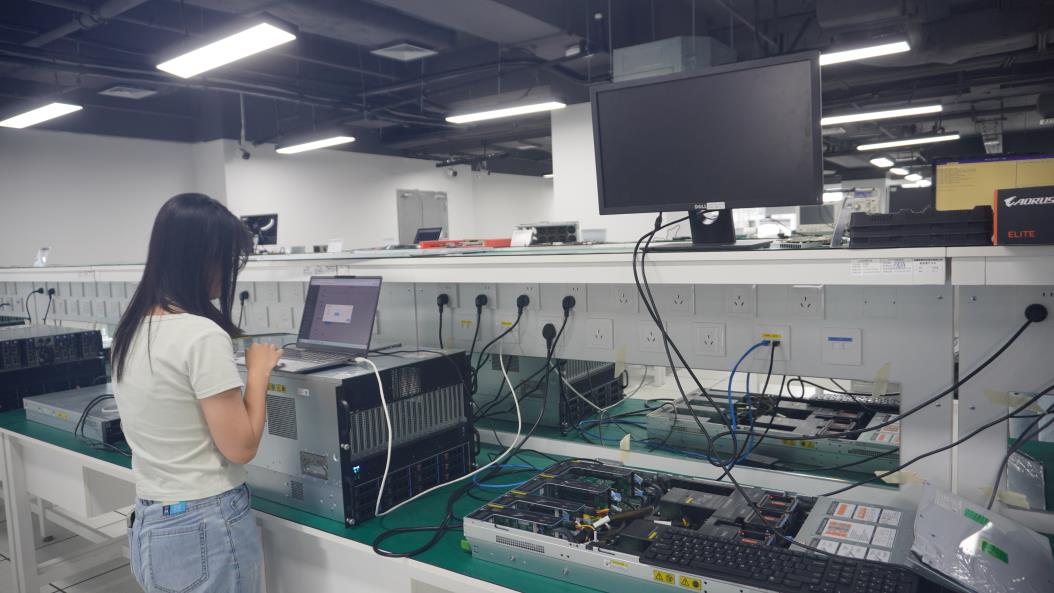
Our specialized product validation processes include detailed thermal performance testing, hardware stress diagnostics, and multi-stage functional verification. Our dedicated team of 42 QC professionals ensures that all products—from bare metal chassis to fully populated system motherboards—comply with strict industry standards before delivery.
By leveraging our strong R&D team of 180 engineers, Klyvora specializes in custom options, including system chassis modifications, thermal pathway redesigns, high-density GPU layout structures, and low-level BIOS/firmware tuning. Over the past year, we have introduced 86 new high-density hardware systems, reflecting our commitment to continuous product improvement.


How developments in AI workloads, liquid cooling, and storage technologies are changing enterprise infrastructure needs.
Modern workloads like LLMs require specialized architectural layouts. High-density GPU node spacing, optimized power distribution boards, and high-bandwidth interconnects are essential for handling complex model processing without system bottlenecking.
As CPU and GPU power demands rise, traditional fan cooling reaches its physical limits. Factories are shifting toward hybrid designs, utilizing large heat pipes, high-airflow chassis channels, and direct-to-chip liquid cooling loops.
To keep processor cores fed with data, enterprise server components must support DDR5 and fast PCIe expansion channels. Modern storage setups rely on low-latency interfaces to ensure rapid data access and query processing.
Tailored solutions matching physical server hardware configurations with complex software workloads.
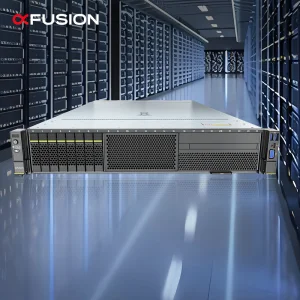
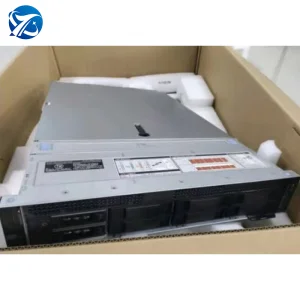
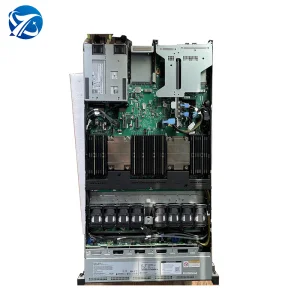
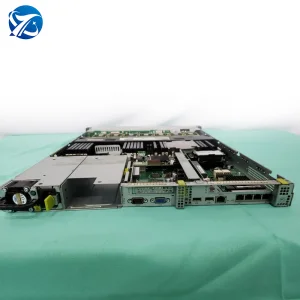
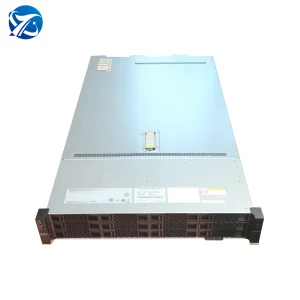
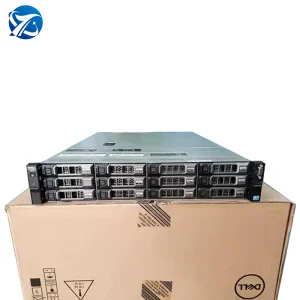
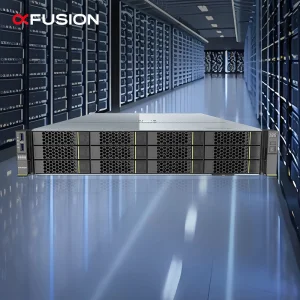
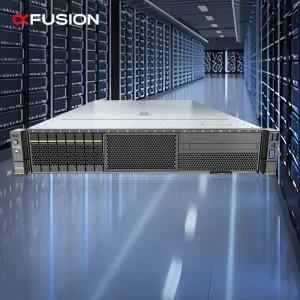
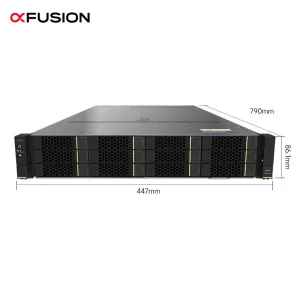
Hyperconverged infrastructures combine compute, storage, and networking into single, scalable physical nodes. Utilizing rack systems like the 2U 2-Socket xFusion 2288H V6 or the Dell PowerEdge R660XS allows virtualization teams to run dense node workloads, balance storage pools, and dynamically allocate processing cores with minimal latency.
For organizations deploying large AI models (such as DeepSeek R1), standard servers are insufficient. Custom chassis designs built to support multiple dual-slot GPUs, high-wattage power distribution boards, and high-frequency DDR5 memory slots are required. This ensures the physical system can handle the high thermal and power loads generated during intensive training runs.
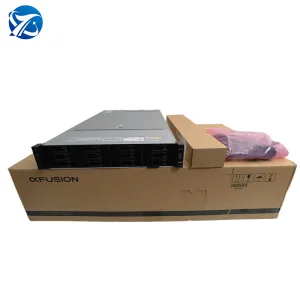
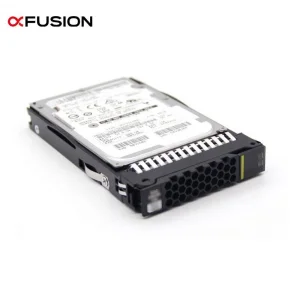
Handling large structured databases or unstructured media assets requires servers designed for high storage density. Systems configured with 12x 3.5" or 24x 2.5" NVMe/SATA drive bays, combined with dedicated read-intensive SSD arrays (like the PM893 series), provide the throughput and capacity needed for data-heavy applications.
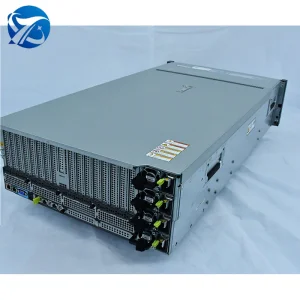
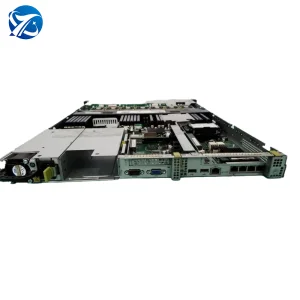
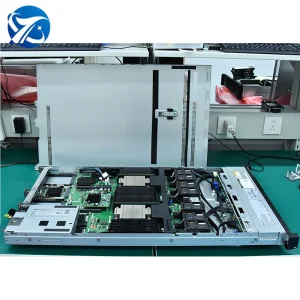
For high-traffic web applications, 1U rackmount designs (such as the Dell Poweredge R360 series) offer an efficient footprint. These servers allow cloud providers and enterprises to deploy dense web server nodes, maximizing rack space usage while maintaining low operating costs.
Best practices for international procurement, quality assurance, and deployment planning.
Ensure component providers maintain complete traceability logs for all critical ICs, storage controllers, and capacitors. This prevents the integration of non-compliant components into enterprise-grade system builds.
A reliable testing process should include at least 48 hours of continuous hardware-level burn-in diagnostics, thermal cycle profiling, and power supply loop testing to catch early component issues.
Verify the manufacturer’s capability to adjust BIOS power states, implement custom UEFI setups, and configure baseboard management controllers (BMC) to integrate smoothly with your existing server management tools.
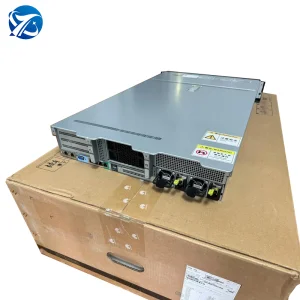
Shipping enterprise servers internationally requires careful attention to regulatory certifications, including CE, FCC, RoHS, and UL standards. Work with logistics partners experienced in handling sensitive computing equipment. Proper protective packaging, static-shielding bags, and secure pallet stabilization are critical for ensuring components arrive in perfect working condition.
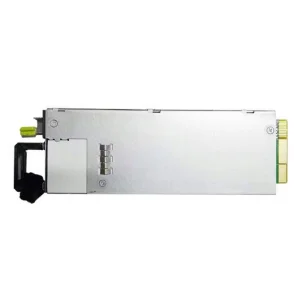
Select options for GPU compute expansions, high-efficiency power modules, and read-intensive storage components.
Expert analysis addressing common questions on hardware design, supply validation, and global logistics.