Klyvora Klyvora

Top 10 Server Memory Factories & Exporters

A B2B Enterprise Purchasing Whitepaper on Enterprise DRAM Architecture, Supply Chain Resilience, and Manufacturing Excellence

Whitepaper: Industrial Architecture & Supply Chain Dynamics of Global Server Memory

The modern digital landscape, propelled by high-density deep learning computations and massive multi-tenant virtualization layers, depends fundamentally on a reliable, low-latency, and highly scalable memory architecture. Choosing the appropriate server memory factories and exporter networks is not merely an operational transaction; it is a vital pillar of strategic infrastructure. Selecting memory solutions designed to reduce System Level Failures (SLF) and enhance Mean Time Between Failures (MTBF) ensures hardware systems yield maximum computing performance and sustained hardware uptime.

1. The Global Server Memory Procurement Landscape

For B2B procurement managers, IT directors, and cloud infrastructure engineers, the global server memory market presents unique challenges. Memory modules—comprising registered DIMMs (RDIMMs), load-reduced DIMMs (LRDIMMs), and emerging technologies such as Compute Express Link (CXL)—directly impact server TCO (Total Cost of Ownership). High-performance processors require memory that can maintain bandwidth limits under continuous thermal load. Exporters play a critical role in this chain, certifying memory modules using original Tier-1 DRAM silicon wafers (Samsung, SK Hynix, Micron) and tailoring the EEPROM and PCB trace architectures to meet strict server OEM specifications.

Critical B2B Memory Procurement Metrics

Signal Integrity & JEDEC Standard Compliance: Off-spec timing margins are the leading cause of silent data corruption in mission-critical applications. Compliance with JEDEC specifications ensures exact compatibility across varying server chipsets.

System-Level Validation: Exporters must certify memory modules on enterprise-level platforms (e.g., Intel Xeon Scalable, AMD EPYC architectures) to ensure seamless compatibility with system BIOS/UEFI configurations.

2. Technical Standards & The DDR5 Evolution

The shift from DDR4 to DDR5 marks a significant milestone in memory performance. DDR5 shifts the power management architecture from the motherboard directly onto the module via a PMIC (Power Management Integrated Circuit). This design improves power efficiency but requires advanced thermal dissipation. Additionally, DDR5 introduces on-die ECC (Error Correction Code), correcting errors within the silicon array before sending data to the CPU, augmenting standard side-band system ECC to deliver double-layer protection against data errors.

3. Key Criteria for Evaluating Server Memory Exporters

When selecting a manufacturing partner, enterprises must assess critical vendor capability metrics:

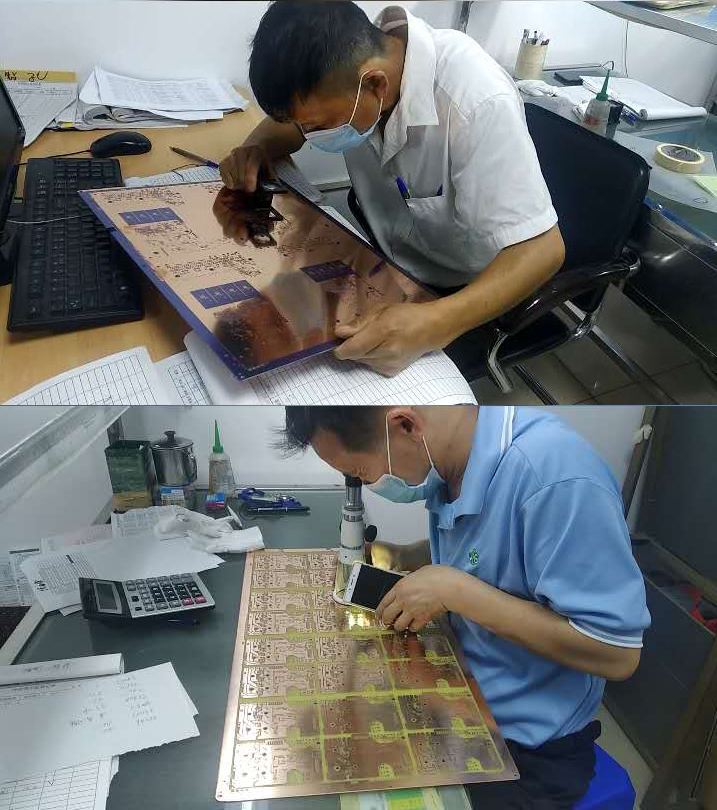
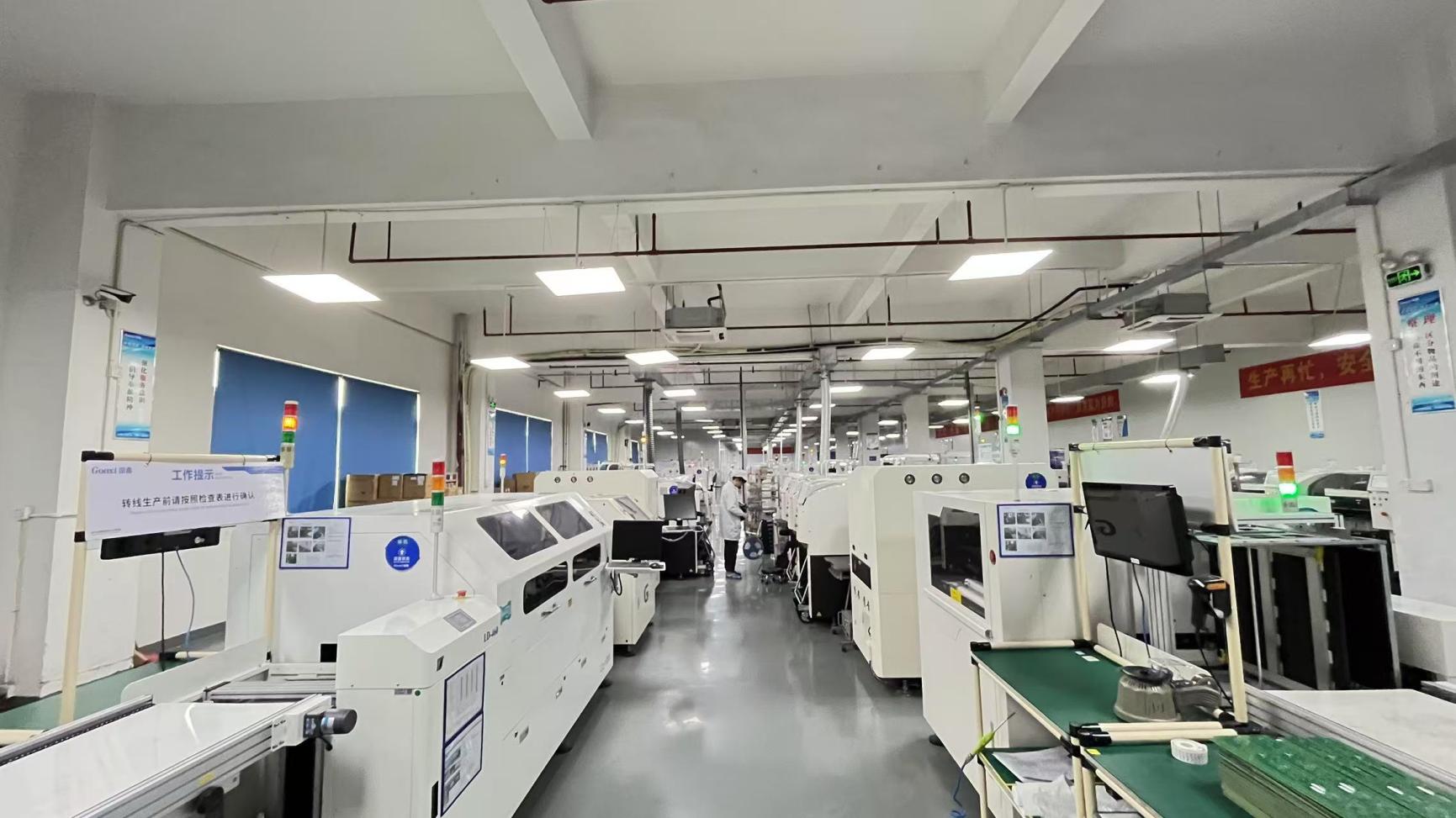
  • Factory Testing Infrastructure: Modern factories must utilize automated testing equipment (ATE) alongside high-temperature burn-in rooms to simulate real-world data center workloads under high heat loads.
  • Silicon Traceability: Top exporters provide transparent tracing of the DRAM components, verifying the use of Tier-1 A-grade dies rather than recycled or down-binned silicon.
  • Tailored Customization: The capability to customize SPD (Serial Presence Detect) settings to match specific legacy server systems is vital for maintenance cycles.
Top 10 Manufacturer Matrix

The global server memory landscape consists of major segments:

  1. Original Fabs: Tier-1 silicon producers controlling raw wafer fabrication.
  2. Third-Party Module OEM Makers: Highly automated facilities specializing in high-speed SMT assembly, programming SPDs, and JEDEC validation.
  3. System Integrators & Exporters: Specialized organizations delivering verified memory arrays bundled with certified enterprise-grade server infrastructure.

Selecting the right export partner ensures reliable component supply, robust technical assistance, and lower capital expenditure.

Enterprise Computing Partner Profile

Analyzing the technical capabilities, quality control frameworks, and global footprint of Klyvora Node Technologies Ltd.

11+
Years Industry Expertise
$8M-$22M
Annual Export Revenue
180+
R&D Engineers
860+
Global Supply Partners

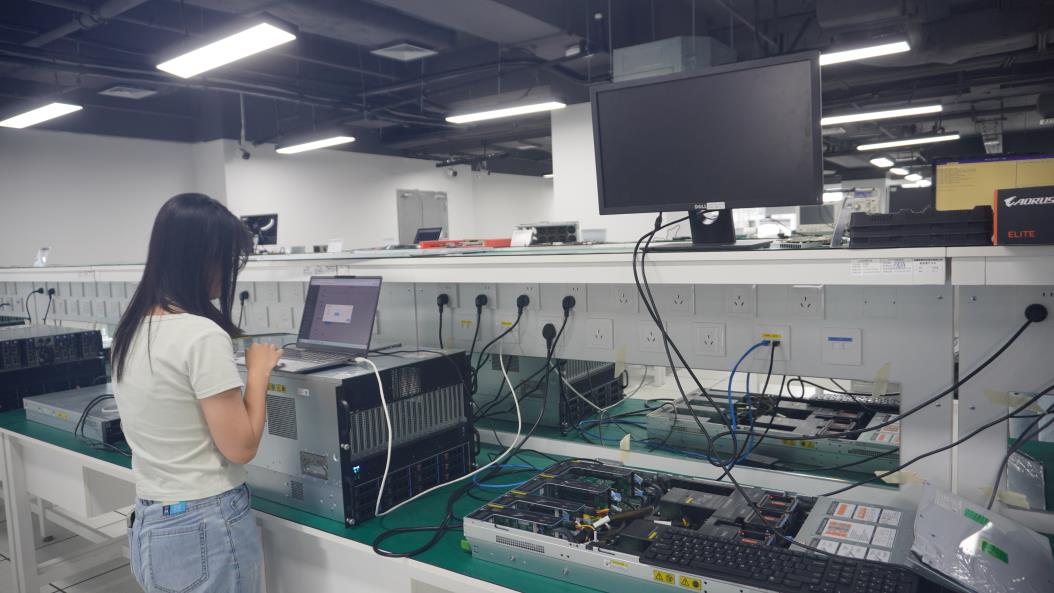
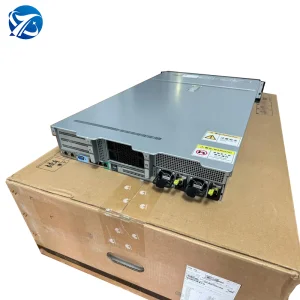
Klyvora Node Technologies Ltd. is a high-performance computing infrastructure manufacturer specializing in AI GPU server systems, scalable compute clusters, and enterprise-grade data center solutions. Established in 2016, the company operates a modern production facility with a total building area of approximately 320㎡, supporting integrated R&D, assembly, testing, and quality control operations. Over the years, Klyvora has transitioned from component integration to full-scale enterprise system design, bridging hardware capabilities with server memory architecture demands.

The company reports annual export revenue ranging between USD 8 million and USD 22 million, with over 6 years of export experience and 11 years of accumulated industry expertise in advanced computing hardware and system integration. Klyvora maintains a strong international trade background and serves major markets including North America, Europe, the Middle East, and Southeast Asia. The company's global positioning highlights the rising demand for integrated hardware solutions that align computational efficiency with low memory latencies.

Quality assurance is handled through structured diagnostics and rigorous inspection frameworks. Klyvora Node Technologies employs a structured quality assurance system, combining automated testing methods, burn-in stress testing, and full-system validation procedures. Product inspection methods include thermal performance testing, hardware stress diagnostics, and multi-stage functional verification. The quality control team consists of approximately 42 dedicated professionals ensuring strict compliance with international manufacturing standards.

Through its extensive procurement network, the company collaborates with a global supply chain network of over 860 partners, enabling stable sourcing of high-grade components such as GPUs, server-grade motherboards, power systems, and cooling solutions. Its primary customer base includes AI research institutions, cloud service providers, enterprise data centers, and HPC solution integrators. To keep pace with technology cycles, Klyvora maintains strong R&D capabilities with a team of around 180 engineers focused on GPU server architecture optimization, liquid cooling innovation, and AI workload acceleration. The company supports a wide range of customization options, including chassis design, thermal configuration, GPU density optimization, and firmware-level system tuning. In the past year, Klyvora has launched approximately 86 new products, reflecting its continuous innovation in high-density computing systems and next-generation AI infrastructure solutions.

Technology Roadmap & Global Compliance

Key factors for cloud service operators and infrastructure architects to consider regarding upcoming memory standards and compliance frameworks.

Macro-Industry Solutions

For modern data centers, reducing total system power consumption while scaling compute density is a primary operational goal. Dynamic voltage scaling and high-density memory modules lower cooling requirements. Implementing modern server platforms integrated with custom-timed memory units helps organizations optimize workloads for cloud databases, transactional platforms, and memory-intensive analytics engines.

Future Technology Roadmap

The industry is transitioning toward DDR5 Sub-Channels and early implementations of CXL 3.0 memory pools. CXL allows CPUs to access external, system-level memory expansion modules at near-cache latency. In parallel, advanced on-die and side-band error-correcting code algorithms are becoming standard to manage the cell density risks of sub-10nm DRAM manufacturing processes.

Localization & Compliance

B2B global export requires strict adherence to international trade guidelines, environmental standards like RoHS and REACH, and certifications such as CE, FCC, and VCCI. A reliable exporter guarantees that memory modules match localized regulatory environments, ensuring trouble-free global deployments and secure import processing at customs clearances.

Expert Analysis & FAQ

Key technical insights regarding server memory compatibility, manufacturing standards, and sourcing strategies.

What is the difference between RDIMM and LRDIMM modules in server applications?
Registered DIMMs (RDIMMs) feature an on-module register that buffers address and command signals, reducing system electrical load on the memory controller. Load-Reduced DIMMs (LRDIMMs) replace the register with a memory buffer that buffers both control and data lines, lowering physical load and allowing system builders to install higher capacity configurations per channel.
How do exporters handle compatibility validation for HPE and Dell enterprise servers?
Experienced exporters use custom-designed SPD profiles programmed to JEDEC timings and validated across enterprise BIOS databases. Testing involves validating the modules on multiple generations of servers under load-simulation diagnostics to ensure the systems register the memory without throw-off codes or configuration alerts.
Why is the transition from DDR4 to DDR5 critical for artificial intelligence workloads?
AI and deep learning platforms depend on memory bandwidth to feed compute cores. DDR5 doubles the bandwidth of DDR4, moving power management to the module for improved efficiency and utilizing dual 32-bit subchannels to speed up memory access times.
What compliance certifications should bulk buyers request from memory factories?
Bulk procurement managers should require evidence of ISO 9001 certification for manufacturing quality, CE/FCC markings for EMI standards, and RoHS and REACH certificates to verify compliance with international hazardous substance policies.