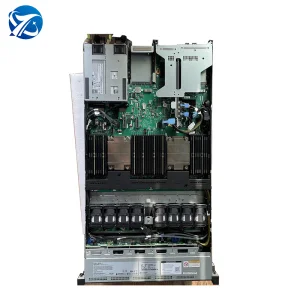
Klyvora
Klyvora
Klyvora
Modern data ecosystems rely on the seamless orchestrations of network requests. As businesses transition to microservices, hybrid cloud systems, and AI-accelerated computation environments, the demand for high-capacity Load Balancers and Application Delivery Controllers (ADCs) has reached unprecedented levels. Historically, load balancing was a simple round-robin traffic routing system. Today, it encompasses Layer 4 (Transport Layer) port routing, Layer 7 (Application Layer) content-aware distribution, SSL/TLS hardware offloading, and intelligent Global Server Load Balancing (GSLB).
Deploying dedicated ASIC and FPGA chips in hardware platforms to parse transport-layer headers and application-layer JSON metadata. This process bypasses general system interrupts, resulting in minimal throughput latency.
Centralizing compute-intensive cryptographical handshakes on specialized server coprocessors, freeing up standard Intel Xeon Gold or AMD Epyc server pools to run logic operations without bottlenecking performance.
Utilizing high-performance active-passive or active-active arrays connected via dedicated heartbeat lines, backed by robust array cards like SAS3908 for instant configuration replication.
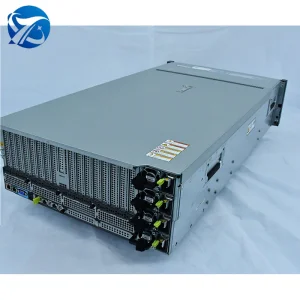
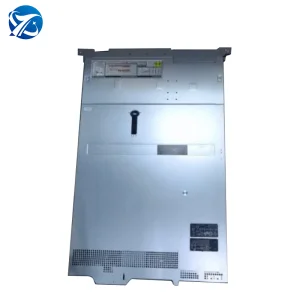
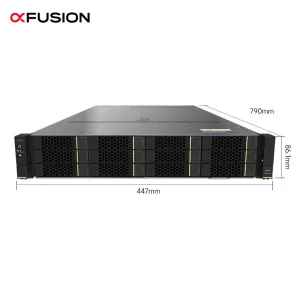
Selecting the right hardware supplier requires an understanding of how raw physical machines—such as 1U rackmount appliances or massive 4U compute servers—convert virtual software configurations into real-world network packets. Klyvora Node Technologies Ltd., along with other enterprise manufacturing specialists, sits at the heart of this supply chain, designing and manufacturing the high-reliability bare-metal configurations that host today’s software-defined load-balancing layers.
The global load balancer and application delivery controller market is currently experiencing a structural shift. Traditionally dominated by proprietary hardware appliance vendors, the industry has branched into two main paths: hybrid-cloud software instances and raw white-box bare-metal compute hardware. The driving force behind this shift is the deployment of Artificial Intelligence (AI) clusters, such as those running DeepSeek or complex LLM inference pipelines, which necessitate extreme data throughput with zero single points of failure.
| Deployment Model | Typical Throughput | Ideal Application Scenario | Hardware Dependency |
|---|---|---|---|
| Hardware Appliances (ASIC/FPGA) | 100 Gbps - 400 Gbps | FinTech Core Systems, Carrier Networks | Proprietary customized circuit boards |
| White-Box Rack Nodes (Bare Metal) | 40 Gbps - 200 Gbps | AI Compute Clusters, Hyperscale Data Centers | Standardized Intel Xeon/EPYC, SAS Raid, High PCIe density |
| Software/Virtual ADCs | 10 Gbps - 40 Gbps | Edge points, CDN nodes, Sandbox dev lines | VM Hypervisors on standard server racks |
| Cloud Native Load Balancers | Dynamic / Autoscaled | Microservice APIs, Cloud native webapps | Abstracted vendor-specific public cloud servers |
As enterprise networks move from monolithic topologies to containerized orchestrations, load balancing has evolved from simple packet routing to secure content inspection. The hardware must have sufficient memory, fast SSD caches, and multiple PCIe channels to support 25GbE and 100GbE fiber-optic network interfaces without bottlenecks.
When procurement managers seek to source high-throughput network nodes and load balancer components, Chinese factories in industrial hubs like Shenzhen provide unique structural advantages. This goes beyond simple assembly line capacity; it is about local ecosystem density and supply chain optimization.
Within a 50-kilometer radius in the Guangdong province, manufacturers can source premium multi-layer PCBs, specialized server-grade heat sinks, custom array cards, and high-wattage power supplies directly. This density reduces prototype lead times from weeks to days.
Chinese server manufacturers like Klyvora support agile design adjustments. If an enterprise requires a chassis modified for high-density GPU cooling or a custom BIOS configuration to optimize Layer 4 packet transfers, engineering teams can implement these changes rapidly.
By optimizing assembly sequences and leveraging direct relationships with major component producers (such as Intel, AMD, and array controller brands), Chinese suppliers deliver configurations with high MTBF and performance at a lower total cost of ownership (TCO).
To assist global procurement managers in selecting partners, we have analyzed the top suppliers in the load balancer and application delivery controller hardware space, factoring in their production capabilities, target markets, and specialized products.
Specialization: High-performance bare-metal systems, AI computing node frames, and custom OEM load balancer appliances. Established in 2016, Klyvora provides highly customizable compute infrastructure designed to run next-generation virtualized ADCs and server load distribution systems.
Specialization: BIG-IP series application delivery controllers. F5 is a pioneer in the load balancing space, providing high-end proprietary hardware platforms integrated with specialized ASIC acceleration chips for mission-critical enterprise systems.
Specialization: Alteon series load balancers. Radware focus on integrating application security directly into their hardware load balancers, making them a preferred choice for networks requiring active DDoS protection and Web Application Firewalling (WAF).
Specialization: Thunder Series ADCs. Known for their high-density, energy-efficient hardware appliances that handle massive volumes of concurrent connections, ideal for mobile service providers and large-scale cloud operations.
Specialization: LoadMaster series. Kemp excels in offering easy-to-configure, cost-effective load balancer appliances that provide balance for small-to-medium enterprise infrastructures and virtualized hybrid setups.
Specialization: AD series load balancers. Based in China, Sangfor provides cloud-native-ready hardware appliances equipped with dynamic caching, compressing, and protocol optimization engines for the Asia-Pacific and EMEA markets.
Specialization: NetScaler hardware and software controllers. They deliver high-throughput, latency-optimized load balancers designed to integrate with remote desktop services and large-scale application delivery frameworks.
Specialization: APV Series. Specializing in secure application delivery and SSL VPN acceleration, Array Networks focuses on high-speed hardware configurations that deliver secure access and load management at scale.
Specialization: Barracuda Load Balancer ADC. They provide mid-market hardware configurations designed for IT administrators looking for simplified deployment models, integrated with strong firewalls and spam-filtering engines.
Specialization: Network security-centric load balancers. By merging firewall capabilities with Layer 4-7 traffic routing, Hillstone delivers robust edge security and bandwidth management systems for distributed branch networks.
As a key player in the high-performance computing infrastructure sector, Klyvora Node Technologies Ltd. has established a reliable workflow for producing customizable bare-metal server configurations, which serve as the hardware foundation for software-defined load balancers and AI cluster managers.
Operating a modern production facility with a total building area of approximately 320㎡, Klyvora integrates product R&D, assembly, quality control, and testing under one roof. The facility is optimized for rapid hardware prototyping and system integration.
The company maintains a strong engineering force, employing around 180 R&D engineers focused on high-density server architecture, hardware cooling innovation (including direct-to-chip liquid cooling), and deep hardware-level optimization.
With an annual export revenue ranging between USD 8 million and USD 22 million, Klyvora brings over 6 years of direct export experience and 11 years of computing hardware expertise to clients across North America, Europe, the Middle East, and Southeast Asia.
Collaborating with a global supply chain network of over 860 partners, Klyvora ensures access to server components, including GPUs, high-speed RAM, server motherboards, chassis solutions, and high-performance array cards.
A dedicated team of 42 QC professionals implements structured quality assurance processes. Every system undergoes thermal diagnostic sweeps, burn-in stress testing, and full multi-stage validation to meet global compliance standards.
In the past year alone, Klyvora has introduced approximately 86 new products, demonstrating their agility in adapting to the changing needs of the server and network infrastructure market.
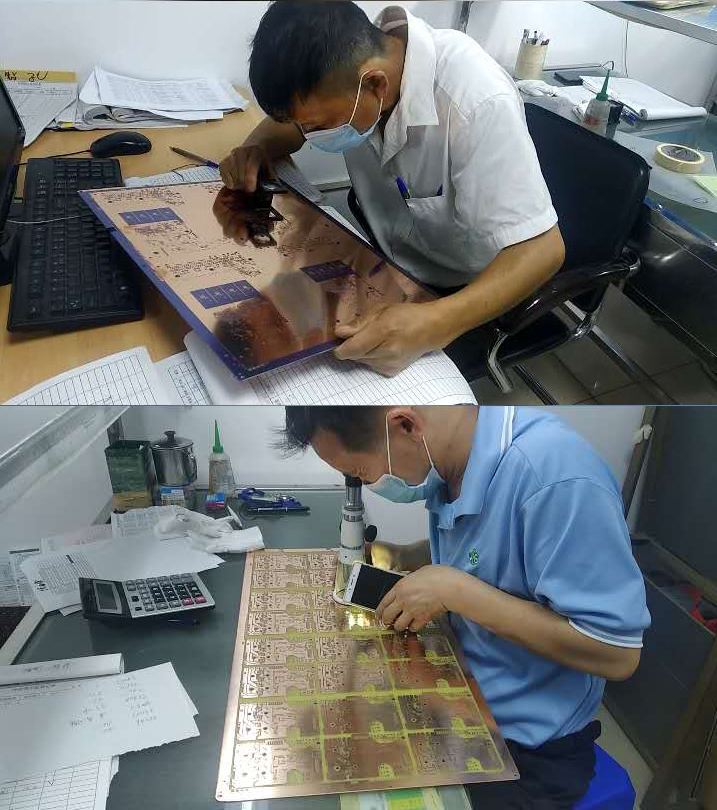


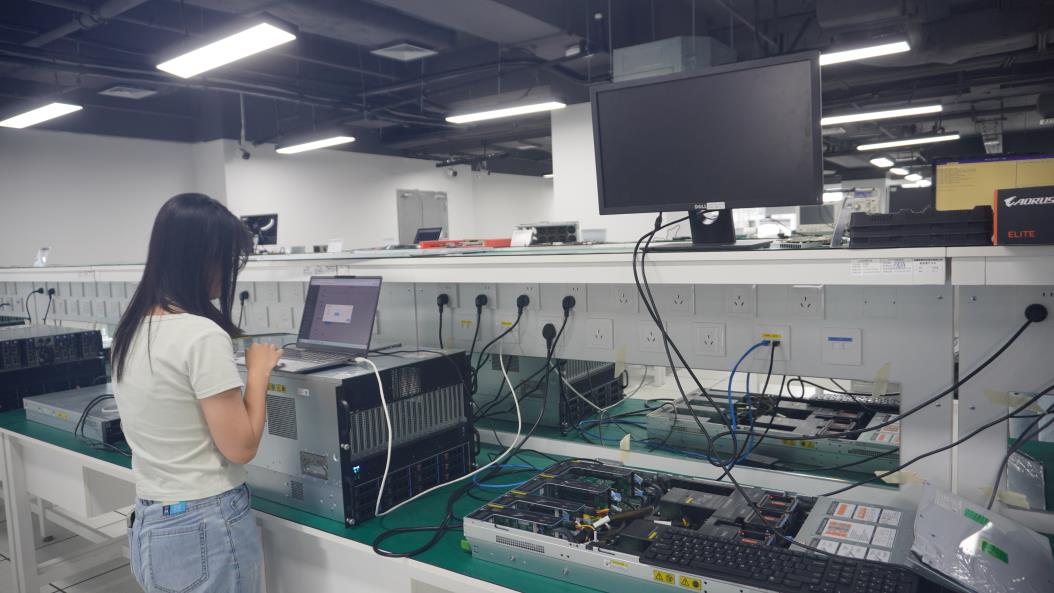
Modern load-balancing infrastructure is rarely a "one-size-fits-all" purchase. Depending on regional requirements, network configurations, and industry standards, the hardware must adapt to specific operational demands.
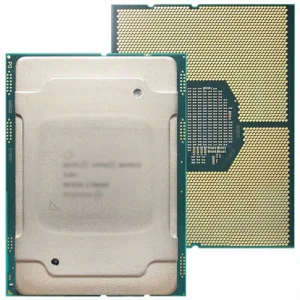
In high-performance computing centers running models like DeepSeek, load balancers distribute inference requests across multiple GPU servers. By integrating high-end processors (such as Xeon Cooper Lake) and specialized cooling systems, these hardware nodes prevent heat throttling and maintain consistent packet transmission.
Financial transaction paths require zero packet loss. Deploying bare-metal hardware nodes equipped with dual-power backups and hardware-managed RAID storage (via cards like XC470C-M-8i) ensures that incoming traffic is distributed reliably even during high traffic events.
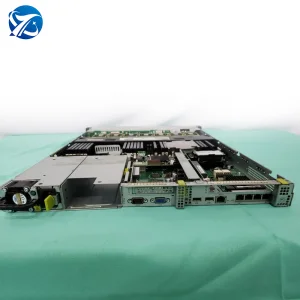
For telecommunication providers in Europe or Southeast Asia, load balancing must happen at the network edge. Using compact 1U server frames optimized for short rack depths enables easy installation in regional edge hubs, bringing high-speed traffic routing closer to end users.
When selecting a hardware supplier for load balancer deployments, enterprise procurement managers should evaluate candidates based on key technical parameters rather than looking at price alone.
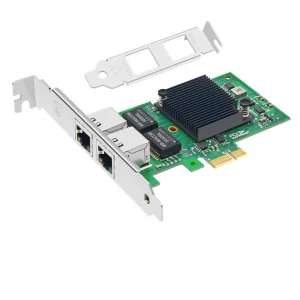
Evaluate the actual Packet Per Second (PPS) and raw throughput capacities. Ensure the network interface cards (NICs) support optical fiber integration (SFP+ or QSFP28) and can handle the expected traffic spikes without dropping packets.
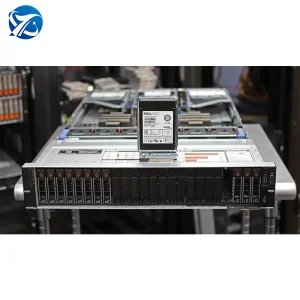
For Layer 7 caching, fast and secure disk arrays are essential. Look for configurations that utilize robust SAS array controllers with integrated flash cache protection to safeguard system logs and routing tables in the event of power losses.
Choose partners that offer flexible OEM options. This includes options for mounting rails, customizable server faceplates, customized BIOS options for watchdog timers, and variable airflow directions to match your data center design.