Klyvora
Klyvora
Klyvora
Explore our premium selection of compute servers, high-density storage configurations, and advanced controller interfaces designed for fault-tolerant network topologies.
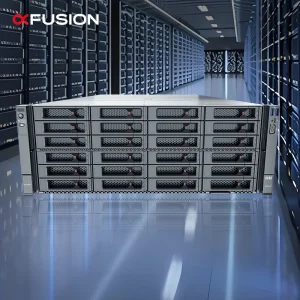
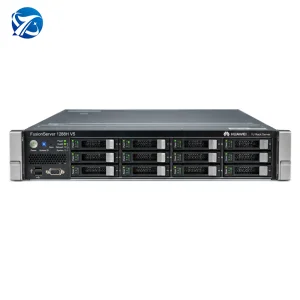
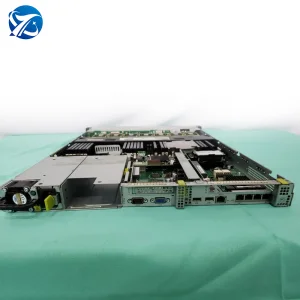
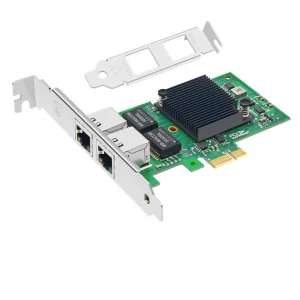
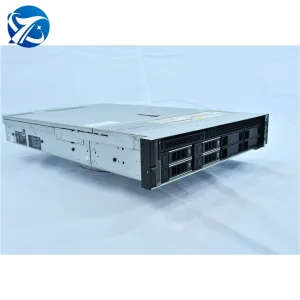
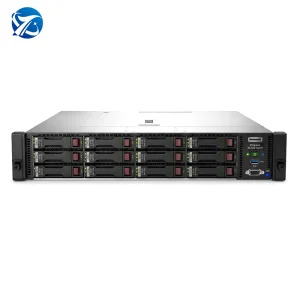
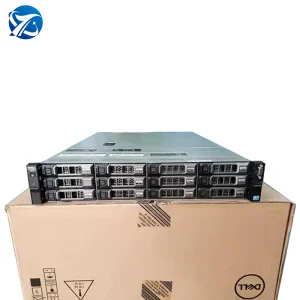
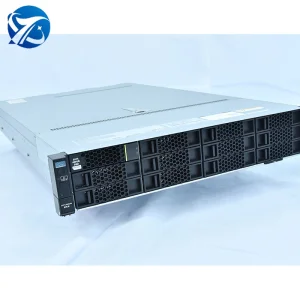
In an era defined by data-driven intelligence, uninterrupted system uptime is no longer a luxury—it is a core business necessity. Disaster Recovery (DR) solutions have evolved from legacy offsite tape backups into complex, real-time replication architectures. High-performance computing nodes, hybrid-cloud backup systems, and fault-tolerant hardware systems now form the backbone of modern enterprise business continuity strategies.
"System downtime costs enterprises an average of $5,600 per minute, according to industrial telemetry data. Redundancy at the hardware layer is the primary defense mechanism against structural failures and cyber-disruptions."
Worldwide, the demand for resilient computing infrastructures has surged due to the rapid integration of artificial intelligence and complex databases. Organizations require high-speed recovery capabilities that minimize Recovery Point Objectives (RPO) and Recovery Time Objectives (RTO). Achieving this requires optimized hardware configurations—specifically high-density 1U/2U server nodes for hot-swap operations, modular SAS/SATA RAID array architectures with robust cache protections, and enterprise storage vaults.
Software-defined storage and cloud replication strategies are only as reliable as the underlying physical hardware. A standard DR setup relies on high-speed hardware capabilities to manage massive write loads during active-active replication. For instance, using hardware components like the Array Card XC470C-M-8i (SAS3908) with 4GB cache ensures that data stream packets are verified and committed even during unexpected power failures, preventing disk corruption.
Bringing together global supply-chain excellence and optimized engineering capabilities to deliver elite computing products worldwide.
Klyvora Node Technologies Ltd. is a high-performance computing infrastructure manufacturer specializing in AI GPU server systems, scalable compute clusters, and enterprise-grade data center solutions. Established in 2016, the company operates a modern production facility with a total building area of approximately 320㎡, supporting integrated R&D, assembly, testing, and quality control operations.
The company reports annual export revenue ranging between USD 8 million and USD 22 million, with over 6 years of export experience and 11 years of accumulated industry expertise in advanced computing hardware and system integration. Klyvora maintains a strong international trade background and serves major markets including North America, Europe, the Middle East, and Southeast Asia.
Klyvora Node Technologies employs a structured quality assurance system, combining automated testing methods, burn-in stress testing, and full-system validation procedures. Product inspection methods include thermal performance testing, hardware stress diagnostics, and multi-stage functional verification. The quality control team consists of approximately 42 dedicated professionals ensuring strict compliance with international manufacturing standards.
Collaborating with a global supply chain network of over 860 partners, Klyvora secures a stable supply of premium server-grade motherboards, CPUs, SSD arrays, and optimized RAID cards. This ensures that every high-performance server assembly—ranging from custom 1U computing nodes to GPU-heavy 4U units—meets performance guidelines under sustained load environments.
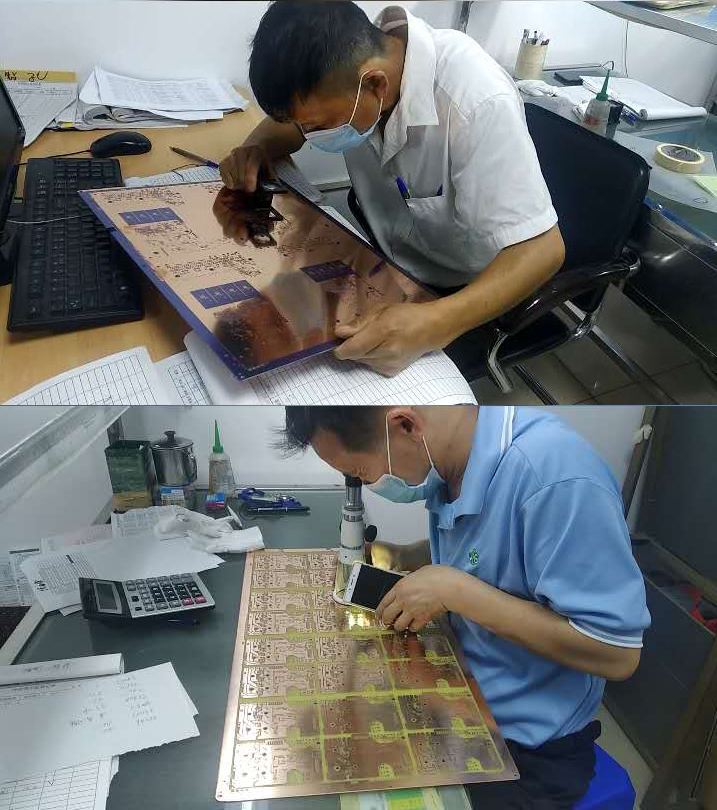
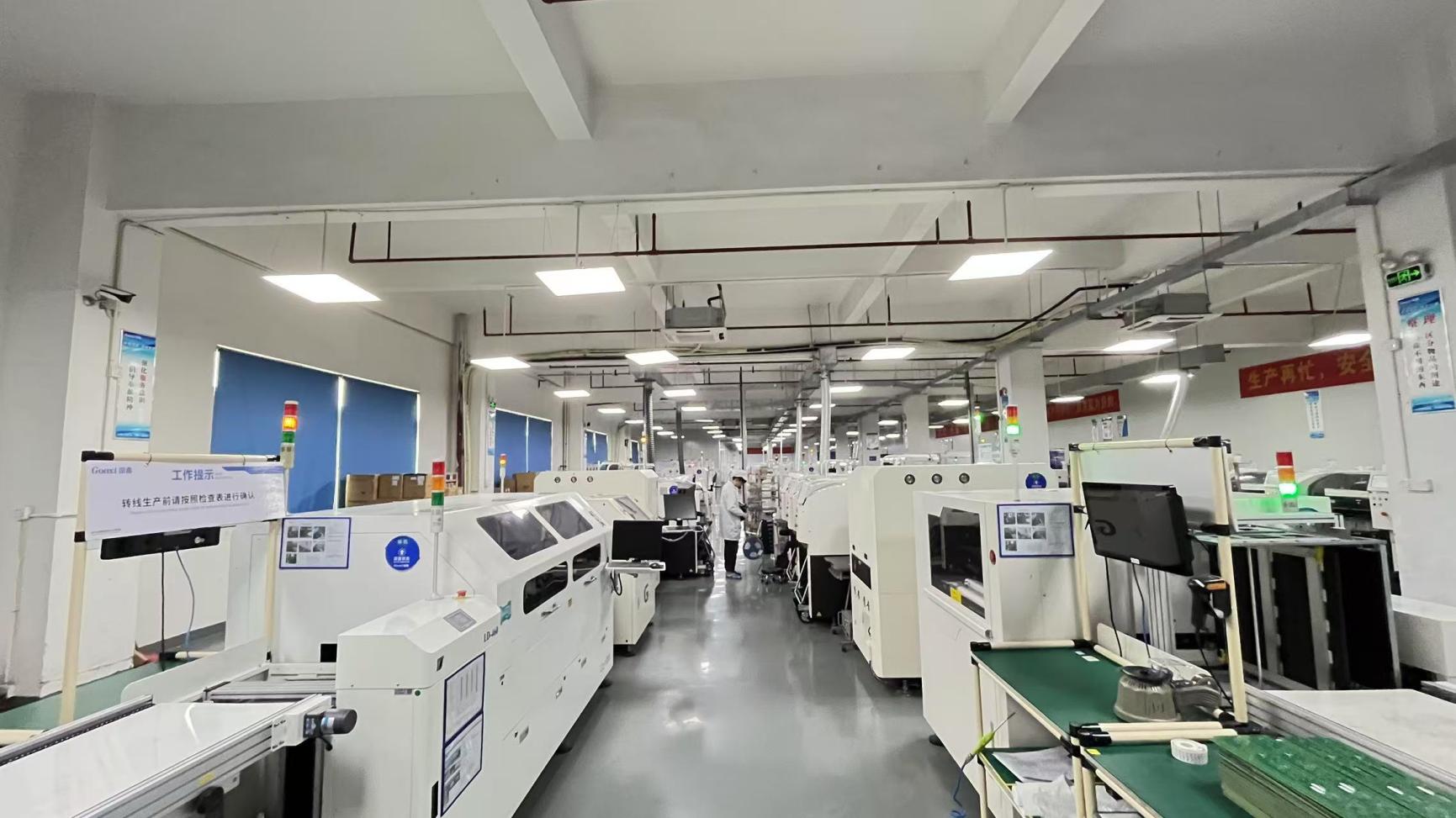

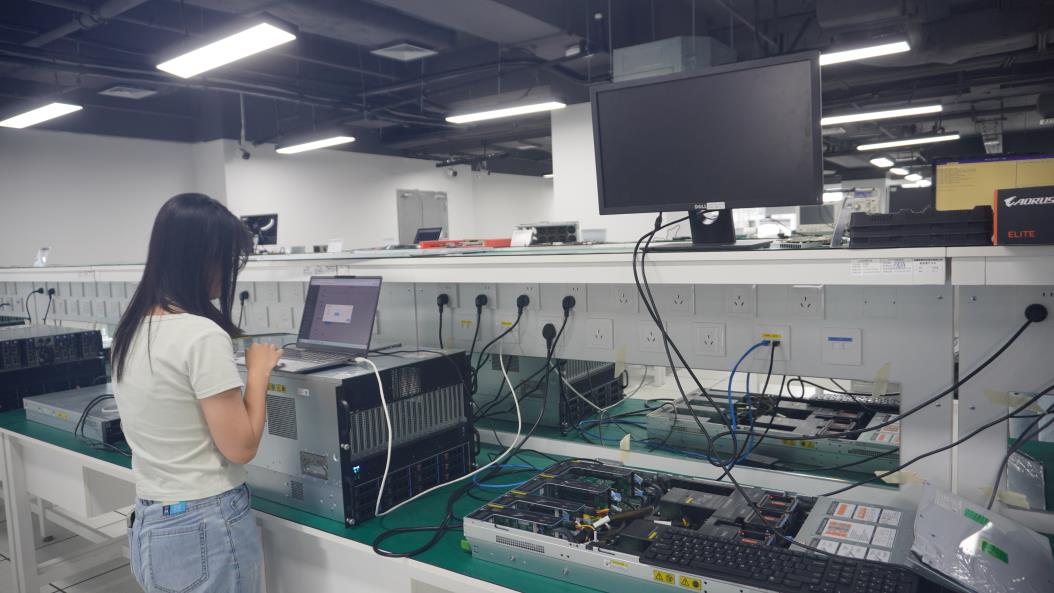
Discover how localized supply clusters and engineering agility allow us to deliver cost-effective, customized disaster recovery hardware solutions.
Klyvora supports specialized chassis design, customized GPU configurations, optimized thermal solutions, and firmware-level tuning for different DR configurations.
With an active development pipeline, Klyvora launched approximately 86 new products last year, allowing buyers to quickly adopt modern computing configurations.
Every server goes through rigorous thermal chamber evaluations, vibration testing, and sustained load burn-in diagnostics overseen by our 42-member QA team.
China's technology hubs provide unmatched supply chain depth, giving our manufacturing facilities instant access to essential raw components. This localized integration reduces production lead times and enables cost-efficient configurations. Global businesses can source customized hardware setups—whether configured for real-time edge computing or deep storage archives—at competitive pricing, ensuring maximum resource allocation efficiency.
Understanding how different high-performance hardware configurations are deployed across critical infrastructure sectors.
| Sector/Vertical | Primary Solution Setup | Hardware Specifications | Disaster Recovery Scenario |
|---|---|---|---|
| Financial Institutions | Active-Active Synchronous Replication | Dual-Socket Xeon/EPYC, PCIe Gen5 NVMe, Cache-Protected RAID Cards (XC470C-M-8i) | Protects transaction databases from loss during sudden site failures. |
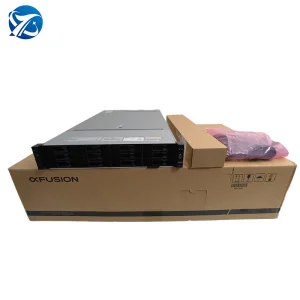
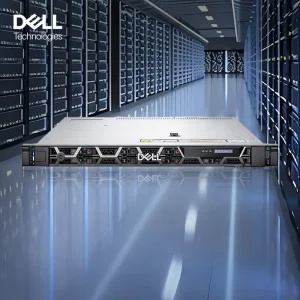
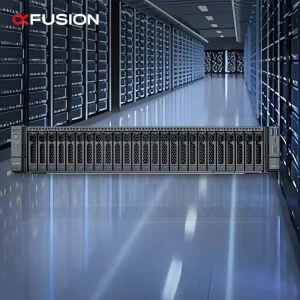
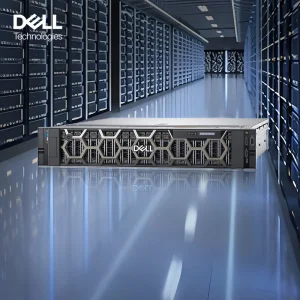
| Cloud & Hosting Providers | Virtual Machine Failover Cluster | 1U/2U High-Density Rack Servers (FusionServer 1288H V6 / PowerEdge R660) | Enables automatic virtual machine migration during hardware fault events. |
| Enterprise AI Platforms | GPU-Accelerated Model State Backups | xFusion 2258 V7 / FusionServer 2488H V7 GPU Compute Nodes | Saves deep learning epoch states and resumes large-scale computations after interruption. |
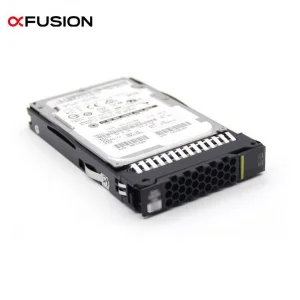
| Industrial Edge & Logistics | Localized Hybrid Network Storage | Multi-Bay NAS Cabinets with High-Capacity SATA HDDs (4TB - 20TB arrays) | Ensures warehouse and tracking data remain available offline if WAN connections drop. |
These localized application architectures demonstrate that disaster recovery is not a one-size-fits-all solution. For instance, high-frequency financial platforms prioritize read/write IOPS and cache security to prevent data loss. Conversely, industrial networks require cost-effective storage density to archive data locally, allowing continued operation during WAN outages.
As server environments grow more complex, several key hardware trends are defining the future of disaster recovery designs:
Next-generation servers use AI-driven out-of-band management modules to monitor disk health, power efficiency, and memory stability in real time. This allows the system to predict potential failures and initiate automatic data migration to failover clusters before hardware issues cause downtime.
Modern data centers are transitioning from standard SATA HDDs to NVMe SSD arrays for their recovery storage pools. This shift drastically improves read/write performance, enabling rapid database restoration and reducing backup processing times from hours to minutes.
As server power requirements increase, traditional air cooling is being replaced by liquid-cooling systems (such as those featured in the HPE ProLiant Compute DL360 Gen12). This transition supports continuous, high-density operations in hot-backup systems without thermal throttling.
Technical guidance and answers for enterprise procurement managers and IT architects designing resilient backup systems.
Complete your disaster recovery and data center design with high-capacity storage drives, GPU accelerators, and multi-socket server nodes.