Klyvora
Klyvora
Klyvora
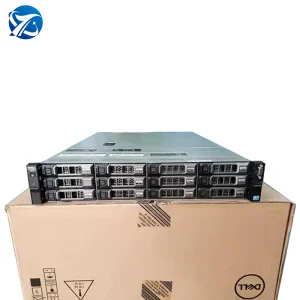
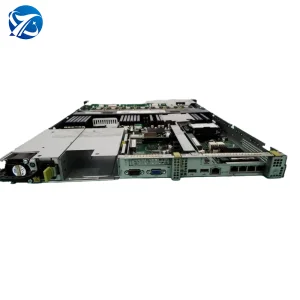
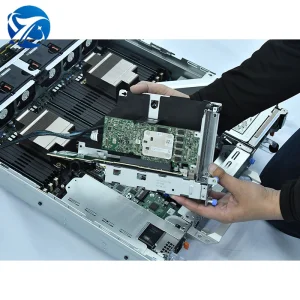
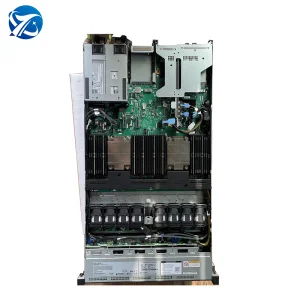
Explore our premium grade server solutions built for massive data centers, cloud infrastructure, and real-time artificial intelligence processing nodes.
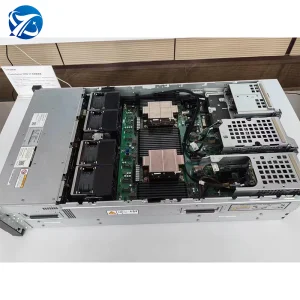
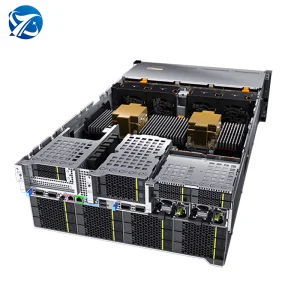
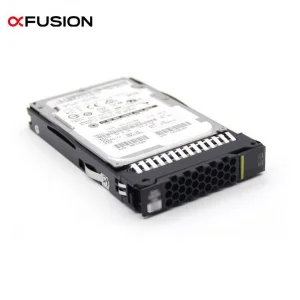
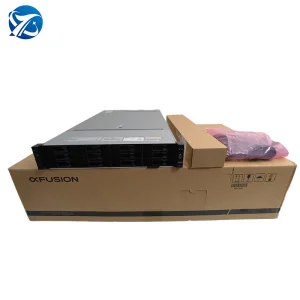
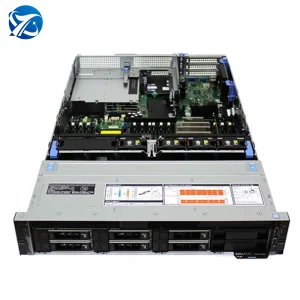
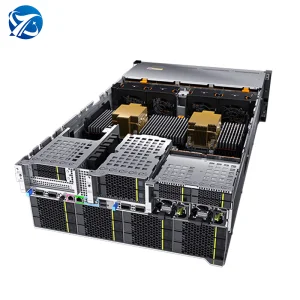
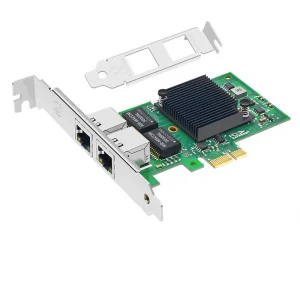
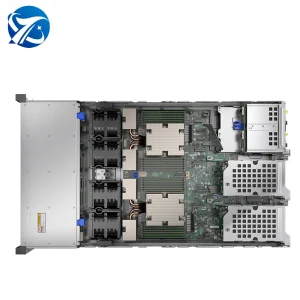
The global telecommunications paradigm is shifting rapidly toward heterogeneous computing frameworks. Today's hyper-connected ecosystems demand robust carrier-grade hardware that seamlessly bridges the gap between fiber transport networks, software-defined 5G core infrastructures, and localized artificial intelligence processing. As a leading high-performance computing infrastructure manufacturer, Klyvora Node Technologies Ltd. designs, engineers, and supplies the foundational processing modules underpinning this hardware revolution.
Our solutions target critical network pain points: latency amplification, high thermal envelopes in dense edge architectures, and signaling bottlenecks. By designing system-level motherboards and rugged rack enclosures with integrated PCIe Gen 5 connectivity, high-frequency signal lines, and intelligent remote telemetry (IPMI/Redfish), we empower tier-1 operators to construct high-throughput base stations, edge clouds, and software-defined WAN routers.
Operational stability in demanding climates requires strict manufacturing control. Our facilities balance precision surface mount technology (SMT) with hand-routed structural builds, delivering customized chassis geometries, optimized power delivery topologies, and tailor-made firmware adjustments. This level of customization ensures compatibility with local carrier protocols and existing structural rack installations.
How next-generation computing infrastructure enables the digitization of manufacturing, smart logistics, public safety networks, and localized telecom centers.
For industrial automation, automated guided vehicles (AGVs), and smart grid substations, deploying rack-mount computing nodes close to the field endpoints reduces network latency from 50ms down to sub-5ms. Our chassis designs tolerate vibration, dust ingress, and severe thermal shifts, keeping high-performance processors operational in harsh non-conditioned environments.
Deploying AI GPU servers within localized metropolitan fiber network nodes facilitates real-time high-definition video analytics. The servers parse camera streams at intersection boundaries, optimizing traffic signals, predicting bottlenecks, and immediately reporting road anomalies or accidents to transit controllers without exhausting centralized cloud resources.
During natural disasters or network outrages, localized private network cells can be rapidly stood up. Our compute nodes operate on specialized software stacks, providing instant local LTE/5G signaling, data processing, and local database access to emergency workers even when the central regional datacenters are completely cut off.
Traditional telecom architecture depended on single-vendor closed ecosystems. The industry is rapidly transitioning to OpenRAN (Open Radio Access Network) standards. Klyvora Node Technologies Ltd. manufactures COTS (Commercial Off-The-Shelf) x86 computing hardware specifically optimized to host virtualized baseband units (vBBU) and central units (vCU), eliminating vendor lock-in and dramatically reducing CAPEX/OPEX for telecom operators globally.
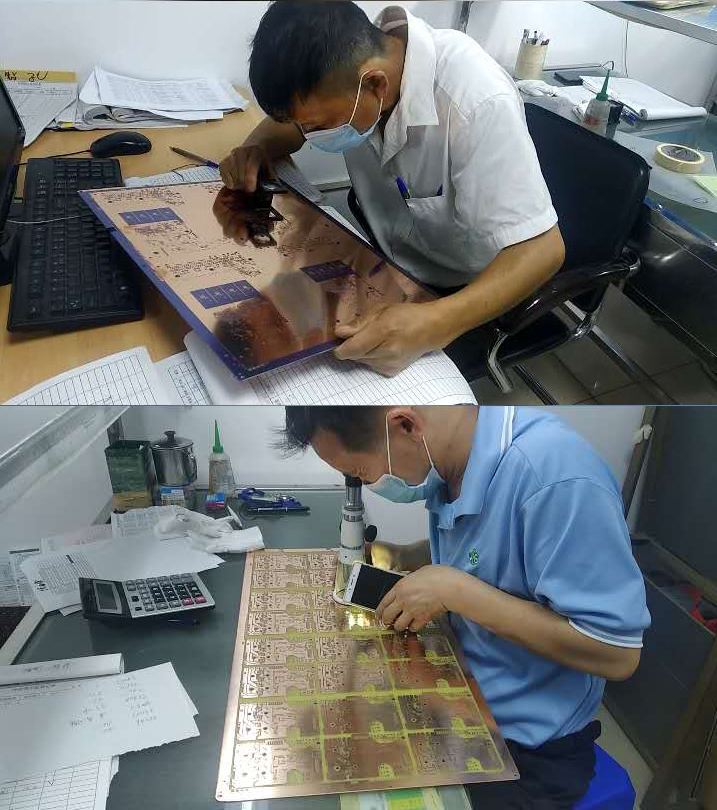


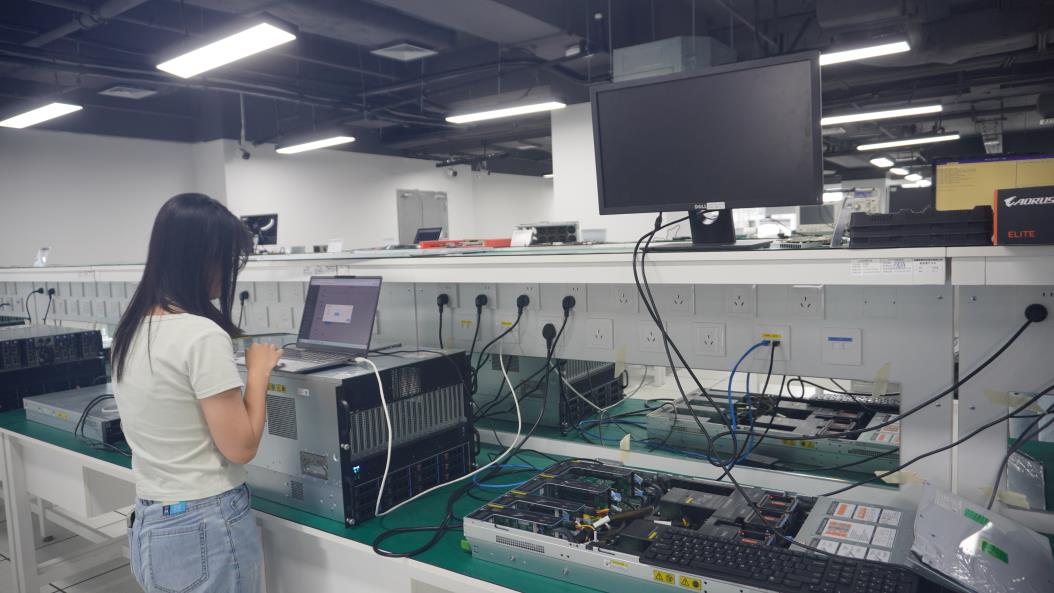
Klyvora Node Technologies Ltd. functions out of a state-of-the-art manufacturing layout, featuring a specialized cleanroom and integration facility of approximately 320㎡. This highly optimized laboratory space is designed for advanced micro-assembly, thermal solution applications, precision card configurations, and component testing.
By coordinating a strategic supply network of over 860 partners, we secure first-access allocations of high-demand enterprise components—including CPUs, advanced AI GPUs, ECC memory modules, high-efficiency Titanium/Platinum-grade power units, and advanced network controllers. This robust partner ecosystem ensures that production delays are minimized and component costs remain highly competitive.
Our quality assurance program is managed by approximately 42 dedicated quality control inspectors. Every server module that leaves our facility undergoes rigorous stages of screening:
Navigating different regional rules is a key challenge for global system deployment. Klyvora Node Technologies Ltd. has more than 6 years of direct export experience, sending equipment to highly regulated markets across North America, Europe, the Middle East, and Southeast Asia. We construct our systems to ease international customs compliance and speed up on-site installations.
Our systems comply with major global certifications, including CE, FCC, RoHS, and WEEE. For telecommunication applications, we provide product architectures conforming to NEBS (Network Equipment-Building System) guidelines, demonstrating structural resilience against seismic events, extreme heat, moisture, and electromagnetic disturbances.
Furthermore, in the current landscape of strict regulatory environments, safeguarding data sovereignty is crucial. We support local network mandates (such as GDPR in Europe and localized cybersecurity policies in North America and Asia-Pacific) by building in robust hardware-level security measures:
As processor thermal design power (TDP) reaches upwards of 350W-500W per CPU and 700W+ per GPU, traditional air cooling is pushing its physical limits. Datacenter efficiency metrics demand a reduction in Power Usage Effectiveness (PUE) scores. Klyvora is at the forefront of thermal management innovation.
We work closely with clients to customize liquid cooling architectures (both direct-to-chip cold plate solutions and immersion cooling compatibility) for our 1U, 2U, and 4U chassis configurations. Liquid cooling dramatically reduces the energy overhead needed to spin high-RPM chassis fans, saving data centers significant operational expenses over the lifecycle of the equipment.
For standard air-cooled installations, we optimize internal airflow paths using customized structural baffles, heat-sink fins with micro-vapor chambers, and smart pulse-width modulation (PWM) cooling zones that scale fan speeds dynamically based on local component thermal sensors.
A strategic overview of emerging network technologies, compute infrastructures, and hardware integrations from 2025 to 2030.
Integrating PCIe Gen 6 signaling pathways with PAM4 encoding, doubling bandwidth capability to support multi-terabit optical interconnects. Incorporating Compute Express Link (CXL) 3.0 technologies to facilitate memory pooling and memory sharing across dense server nodes, reducing computing overhead and hardware costs.
Introducing standard server enclosures featuring built-in liquid pumps and external radiator attachments. This enables high-density GPU deployment in standard, legacy air-cooled server racks without requiring expensive structural plumbing investments from building operators.
Implementing post-quantum cryptographic (PQC) chips on the server motherboard level. These security layers prevent intercept-now, decrypt-later attacks, ensuring long-term security for military, government, and high-level enterprise telecommunications traffic.
Clear, direct answers regarding custom design requirements, delivery cycles, supply chain compliance, and technical configurations.
For standard board-level layout modifications or structural design changes (ODM processes), the R&D design and prototyping stage takes approximately 4 to 6 weeks. Following client prototype approval, initial production runs of customized telecom or GPU servers are delivered within 8 to 12 weeks, depending on component availability from our supply chain network.
With over 6 years of direct export history, we keep up-to-date compliance records for FCC Part 15, CE-RED, RoHS, and WEEE directives. Hardware safety testing is completed by certified third-party testing centers, ensuring smooth import clearing processes. We also provide secure supply chain documentation to comply with international security frameworks.
Yes, our engineering group includes specialized software and firmware developers. We customize UEFI BIOS settings, disable unused ports, customize fan speed lookup tables for customized thermal environments, and brand Baseboard Management Controller (BMC) interfaces with your proprietary enterprise software, supporting Redfish and IPMI systems management protocols.
Every system undergoes an automated validation sequence. We test under maximum load to check electrical components, run diagnostic software loops on GPUs and processor cores, check disk speeds, and record temperatures inside burn-in test rooms. A full diagnostic and certification report is provided with every shipment.
Discover our complementary line of storage controllers, rack-mount enclosures, high-efficiency power configurations, and scalable enterprise network nodes.