Klyvora
Klyvora
Klyvora
Deploy enterprise-grade database management system installations on bare-metal architectures designed for heavy transactional and analytical workloads.
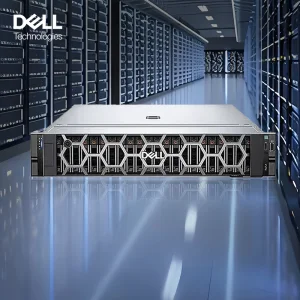
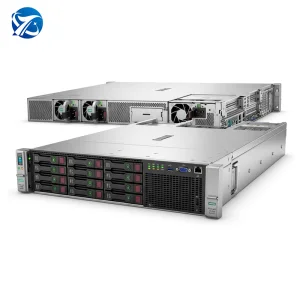
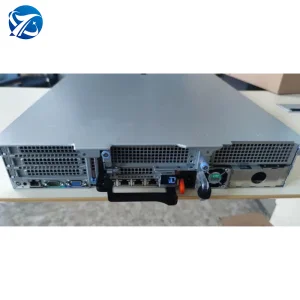
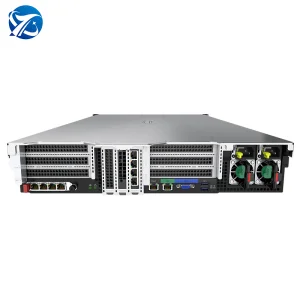
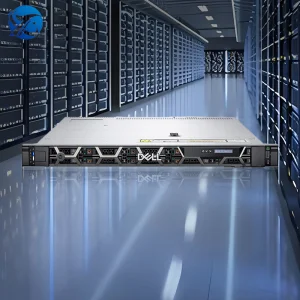
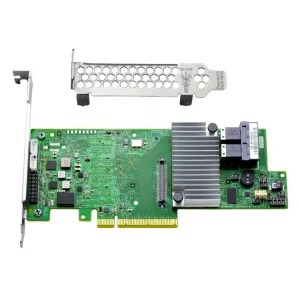
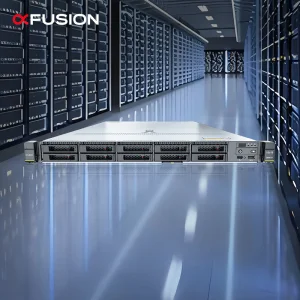
Klyvora Node Technologies Ltd. is an industry-leading, high-performance computing infrastructure manufacturer specializing in advanced AI GPU server systems, scalable compute clusters, and custom enterprise-grade data center hardware. Established in 2016, our corporate strategy centers on bridging the gap between hardware optimization and Database Management Systems (DBMS) application performance.
We operate a specialized integration facility with a compact footprint of approximately 320㎡, engineered explicitly for high-density hardware R&D, precision system configuration, burn-in validation, and strict QA protocols. Over our 11 years of industry experience and 6 years of international trade operations, Klyvora has built an export portfolio ranging between USD 8 million and USD 22 million annually.
Our core capabilities address the high throughput, ultra-low latency, and reliable write/read performance requirements essential to hosting relational DBMS, vector index engines, and massive data storage solutions for North American, European, Middle Eastern, and Southeast Asian enterprise markets.
Modern database engines demand highly optimized, specialized bare-metal compute solutions. As databases shift towards memory-centric, vector-native architectures, hardware OEM design must keep pace.
Transaction engines require extreme memory bandwidth. Modern 6400MT/s DDR5 setups provide the necessary bus speed to avoid bottlenecks during high-frequency index scans, buffer pool operations, and transactional logging.
With the rise of large language models and semantic search applications, databases like Milvus, Qdrant, and pgvector require GPU-accelerated servers to perform high-dimensional similarity searches at sub-millisecond speeds.
Our OEM servers leverage PCIe Gen 5 architectures and advanced RAID controllers (e.g., Broadcom 9560-16i) to support maximum write-heavy WAL (Write-Ahead Logging) performance and eliminate disk queue bottlenecks.
From transactional banking (OLTP) to cloud scale data warehousing (OLAP), our custom-built physical nodes form the reliable foundation of high-concurrency database deployments.
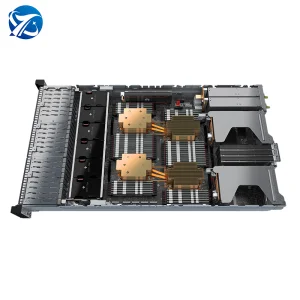
| DBMS Workload Type | Primary Hardware Bottleneck | OEM/ODM Optimized System Solution | Target Hardware Platforms |
|---|---|---|---|
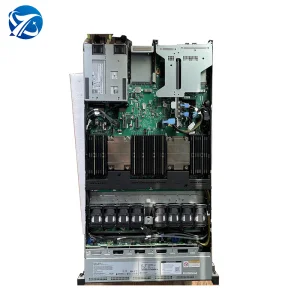
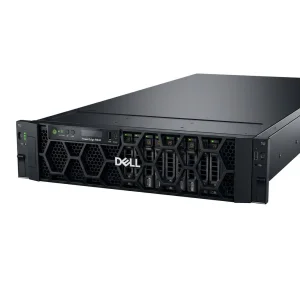
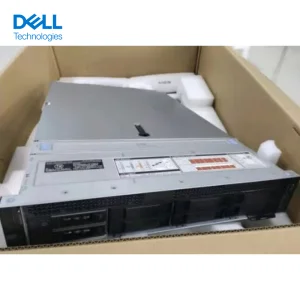
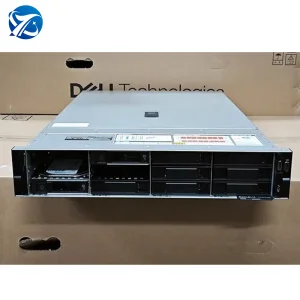
| OLTP (Transactional) | Write Latency, Lock Contention, IOPS | Low-latency PCIe Gen5 NVMe, high-cache RAID controllers, fast single-core CPU scaling. | Dell PowerEdge R660/R760 1U/2U Nodes |
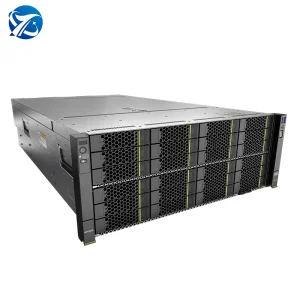
| OLAP (Analytical / Columns) | Memory Bandwidth, Multi-core Parallelism | DDR5 6400MT/s channels, dual-socket Intel Xeon 6th Gen / AMD EPYC scalable processors. | xFusion 2488H V6 / PowerEdge R670 |
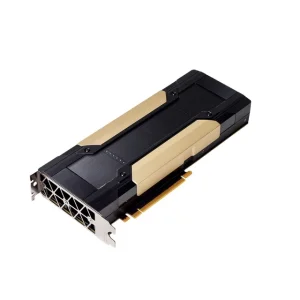
| Vector / Hybrid Search | Parallel Arithmetic, Memory Capacity | High-density GPU arrays (V100 PCIe, H100 SXM, etc.) coupled with high-speed PCIe pipelines. | Klyvora GPU Compute Server Clusters |
| Distributed Database Clusters | Network Interconnect Latency | Dual/Quad port 10Gbps/100Gbps SmartNICs, RDMA over Converged Ethernet (RoCE) support. | 1U High-Reliability Server Form Factors |
Database software licensing (e.g., Oracle, Microsoft SQL Server) is often calculated per physical processor core. This requires a unique hardware configuration strategy: obtaining the maximum performance per core to minimize licensing costs.
Klyvora provides specialized ODM firmware and BIOS customization to tune active core counts, disable unnecessary CPU power-saving states, and lock processor clock speeds for deterministic query execution. Our production facility supports complete customized hardware deployment services:
Our 320㎡ advanced configuration and testing center coordinates component verification, high-stress validation, and hardware assembly.
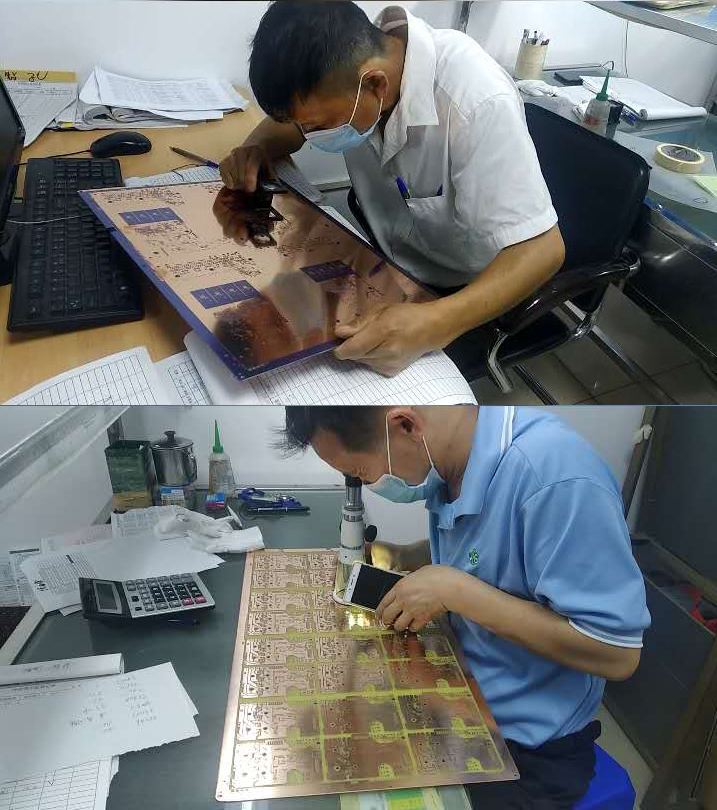
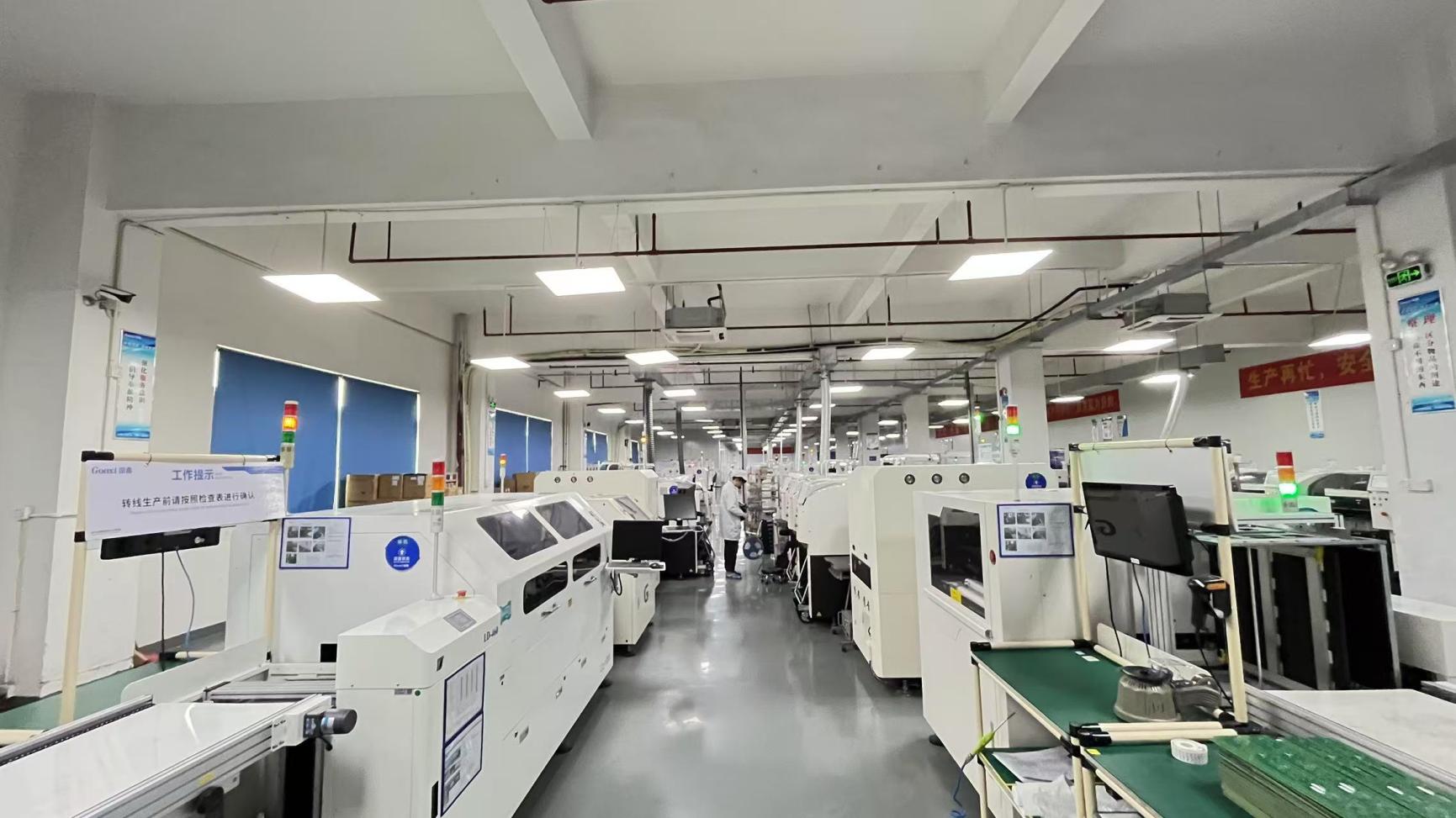
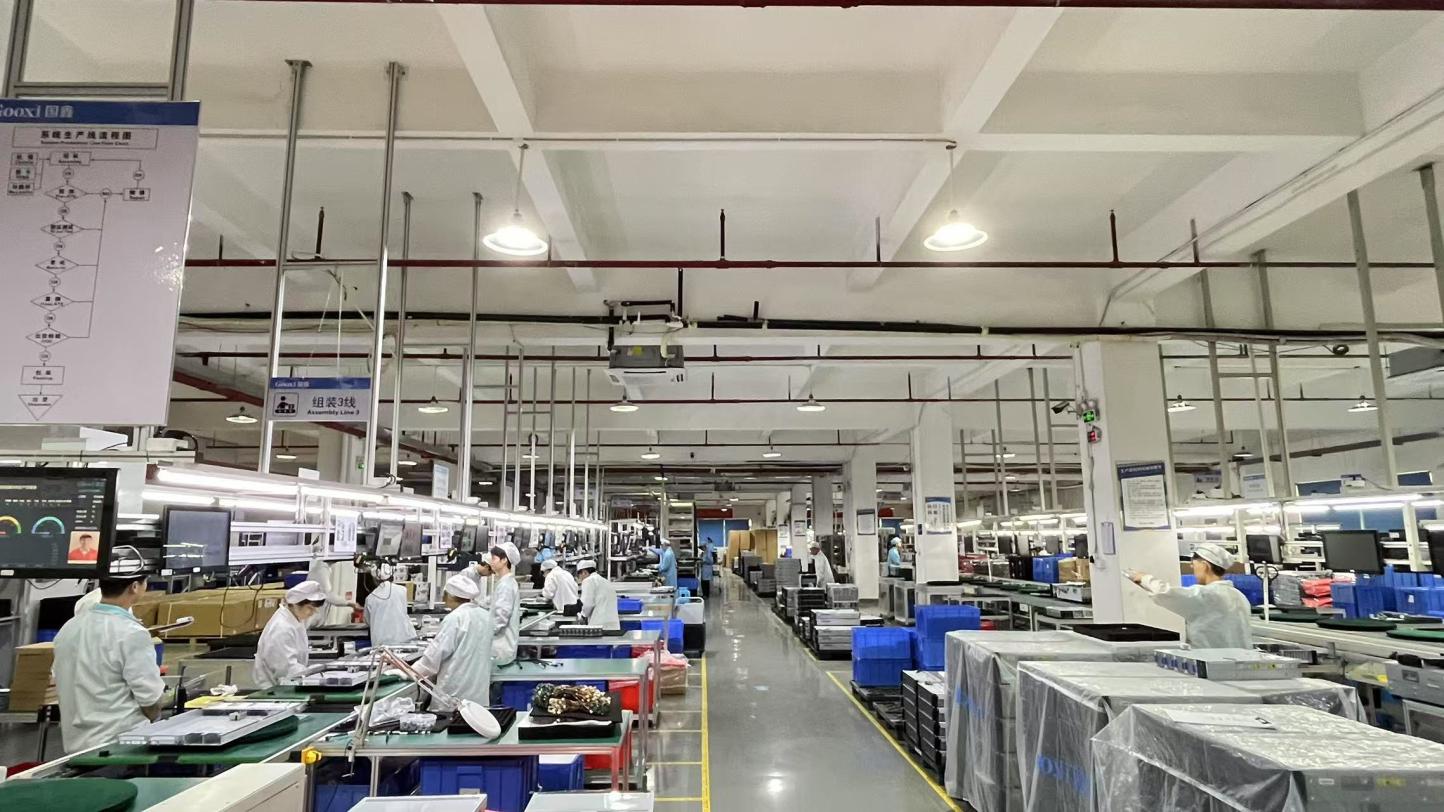
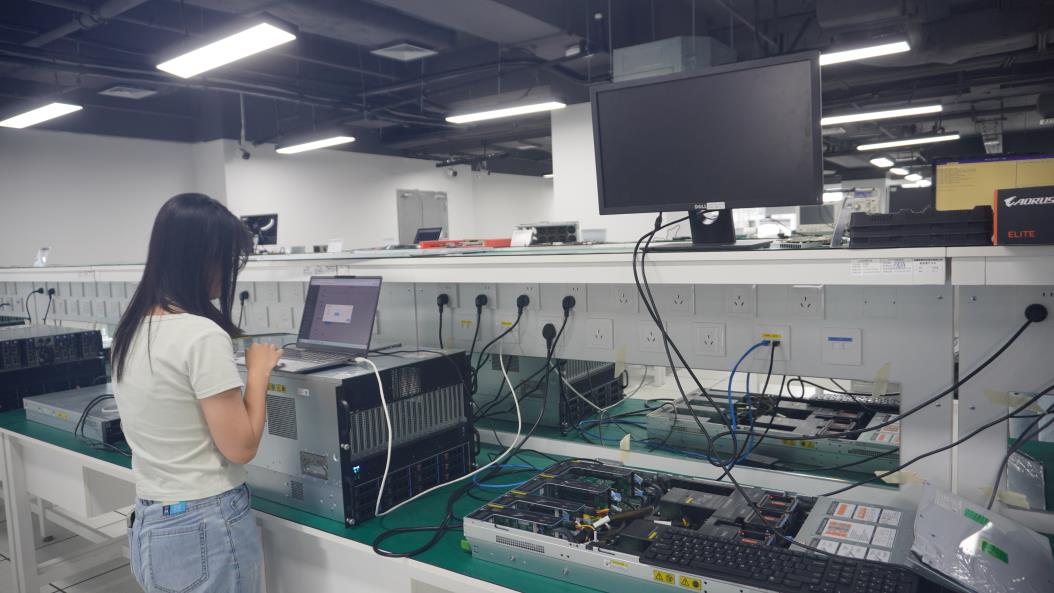
Database integrity is only as secure as the hardware it runs on. A single memory fault or controller failure can lead to silent data corruption. That is why Klyvora enforces strict validation measures.
Every server DIMM undergoes multi-pass pattern testing at maximum rated speeds (e.g., 6400MT/s) to check for transient errors and ensure memory controllers operate stable margin values before final system deployment.
Completed servers undergo a minimum of 48 hours of continuous, full-load burn-in testing inside our thermal chambers. This screens out early life hardware failures (infant mortality) under intensive synthetic DBMS read/write loops.
By maintaining direct relationships with key semiconductor manufacturers and memory fabricators, we guarantee genuine components. This ensures reliable supply chains for Intel Xeon processors, AMD EPYC CPUs, and specialized RAID cache cards.
We design our server chassis and board layouts with compatibility in mind, preparing for the upcoming shifts in the enterprise database ecosystem.
Enabling memory expansion and memory pooling across servers. CXL will allow running massive relational databases entirely in cache-coherent shared memory, reducing access latencies to near-zero values.
Doubling storage IOPS throughput compared to current Gen 5 channels, allowing databases to stream raw parquet files or index pages from NVMe storage straight to CPU cache without processing bottlenecks.
As TDP requirements exceed 350W per processor socket, our upcoming server lines integrate low-maintenance liquid cooling loop setups to sustain peak database workloads without thermal throttling.
Shipping high-density server infrastructure requires strict adherence to international regulatory frameworks, standard declarations, and data protection guidelines.
All Klyvora OEM/ODM servers carry full certifications including CE, FCC, RoHS, and UL, ensuring worry-free imports and direct integration into tier-3 and tier-4 public cloud data center operations.
We offer customized BIOS profiles tailored for regional energy grid requirements and high-efficiency power distribution units (PDUs) compatible with 110V/220V and 380V three-phase datacenters.
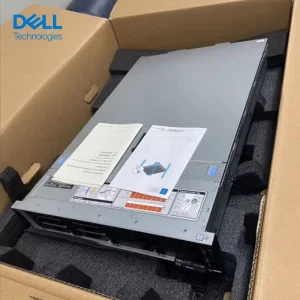
Heavy storage array structures, GPUs, and motherboards are secured inside customized shock-absorbing, anti-static wooden transport crates, ensuring component integrity throughout air and sea freight.
Answers to key engineering questions regarding system design, performance bottlenecks, and hardware selection for enterprise database environments.
Explore high-capacity server chassis, processing systems, and acceleration hardware suited for database scaling projects.