Klyvora
Klyvora
Klyvora
In the era of hyper-scale digital infrastructure, the traditional demarcation line between Pro-AV (Professional Audio-Visual) systems and Enterprise IT has collapsed. Modern AV architectures rely on software-defined matrixes, high-throughput network topologies, and intensive back-end rendering platforms. High-definition video streaming, ultra-low latency real-time matrix routing, dynamic digital signage, and virtual production setups are no longer powered by isolated hardware matrices. Instead, they run on high-density AI servers, scalable CPU rack arrays, and NVMe-backed storage networks.
The standard SMPTE ST 2110 and NDI architectures demand continuous, uncompressed broadcast-grade signal distribution. Processing dozens of concurrent raw 4K/8K feeds requires high-throughput PCIe NVMe architecture and high-bandwidth multi-socket servers to prevent packet dropouts and frame latency.
Real-time rendering for LED volumes and immersive studios utilizes Unreal Engine pipelines. These pipelines require immense GPU storage throughput and high-density, multi-GPU processing systems capable of rendering millions of polygons per frame with less than 2ms frame variance.
AI-driven resolution upscaling, real-time object tracking, automated subtitling, and contextual media search have transformed live events. Deploying DeepSeek and advanced neural network inference servers at the edge provides instantaneous, low-latency metadata generation.
Procurement directors and system integrators within global enterprise networks require more than basic compute boxes. They demand high-availability, mission-critical infrastructure characterized by flexible OEM/ODM modifications, extensive structural quality validation, and predictable global supply chains.
Standard servers frequently fail to fit into restricted mobile broadcast vehicles or studio equipment racks. Our ODM service model adapts critical dimensions—such as short-depth rack chassis, custom thermal exhaust routes, custom acoustic dampening (essential for soundstages), and specific PCIe expansion topologies—to support multi-channel SDI and PCIe capture cards.
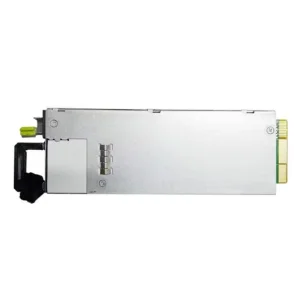
Unplanned downtime during live broadcasts or critical corporate events is unacceptable. Modern infrastructures require smart power systems, such as 900W, 1500W, and 2000W 80 PLUS Platinum AC PSUs, paired with hot-swappable fans, robust hardware RAID array controllers, and redundant network interfaces to ensure continuous operations.
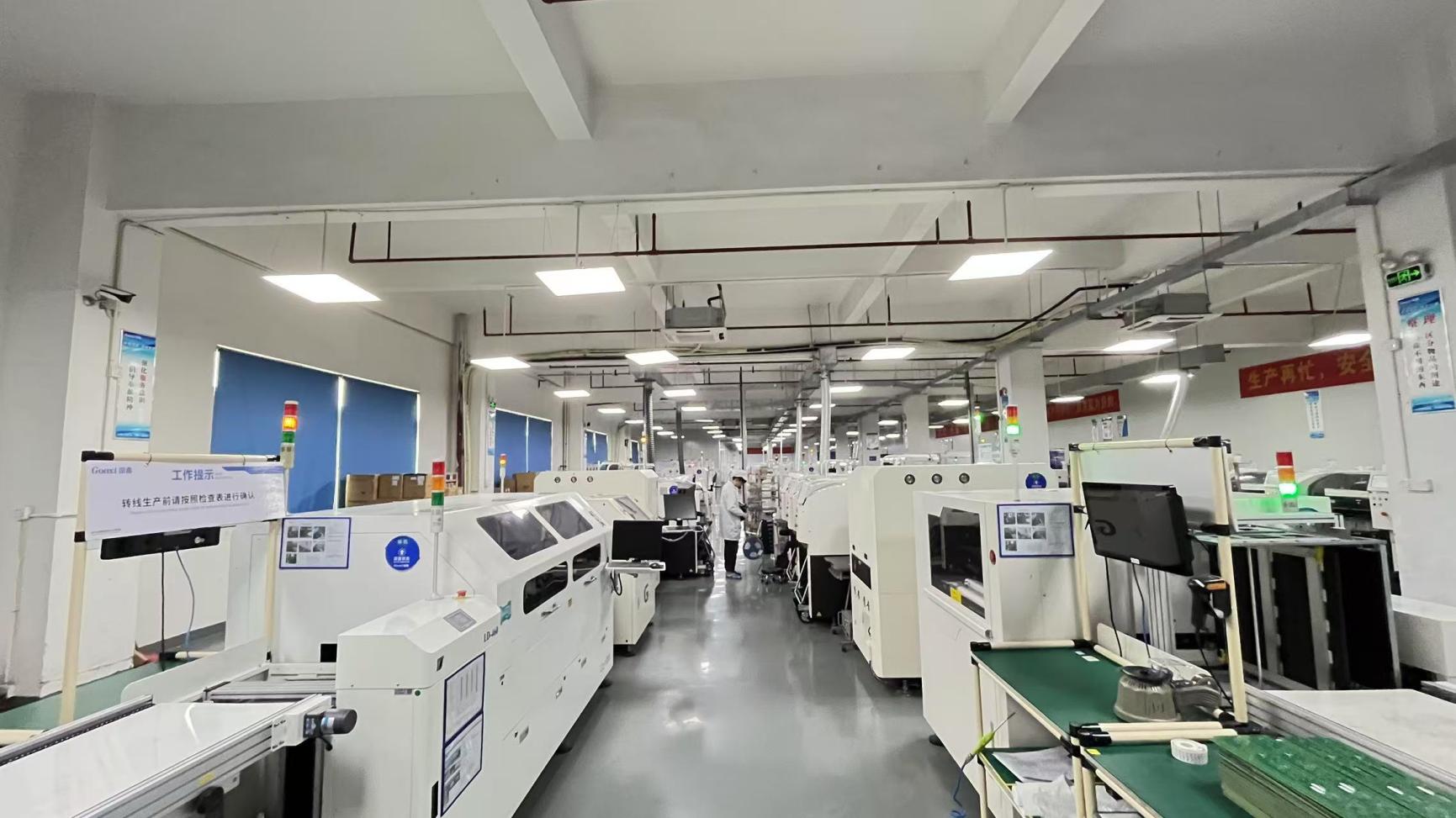
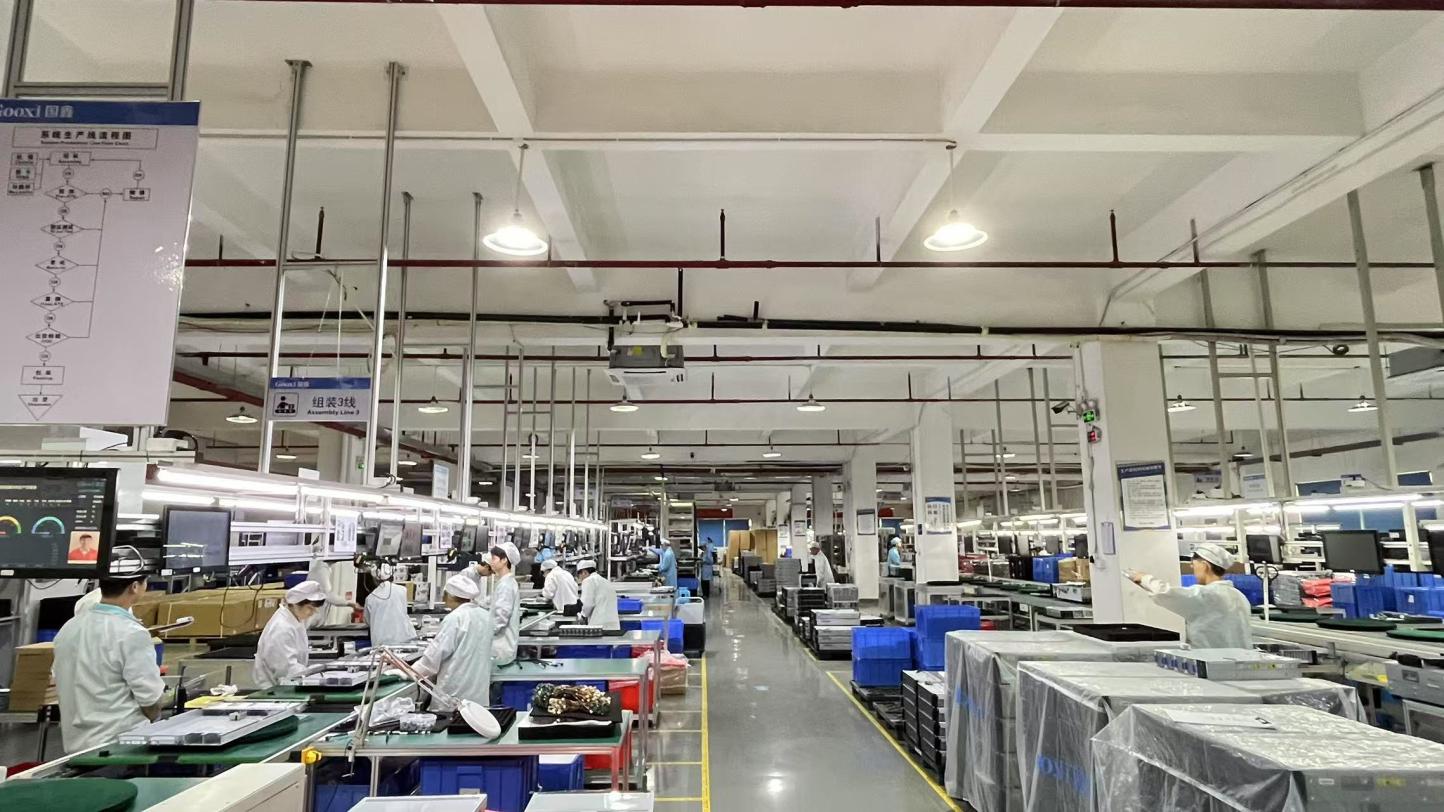
Established in 2016, Klyvora Node Technologies Ltd. is a high-performance computing infrastructure manufacturer specializing in AI GPU server systems, scalable compute clusters, and enterprise-grade data center solutions. We operate a modern, high-precision facility with a building area of approximately 320㎡ dedicated to advanced R&D, assembly, quality control, and rapid prototyping.
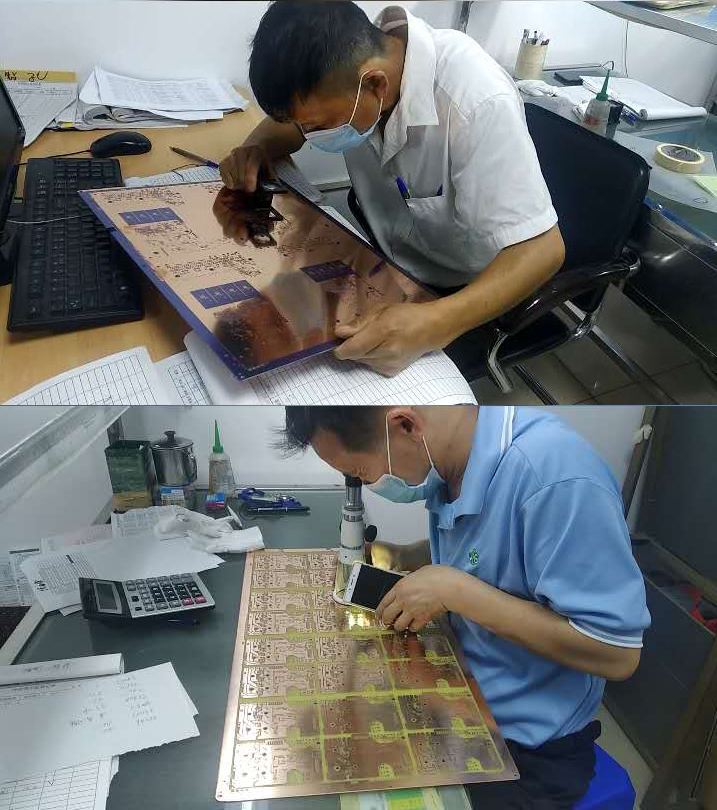
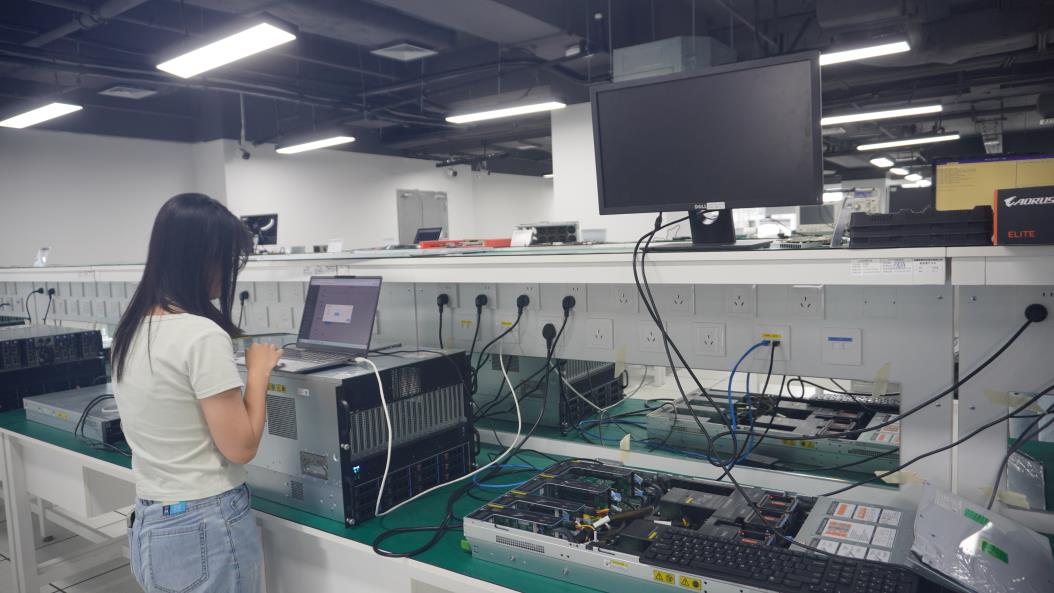
Our quality assurance system integrates automated software testing, hard stress diagnostics, and hardware burn-in procedures. The 42-member quality control team uses multi-stage validation to test every platform under extreme conditions, validating system stability, I/O performance, and cooling efficiencies before global export.
With over 6 years of direct export operations and 11 years of advanced systems engineering experience, we deliver tailored computing solutions across North America, Europe, the Middle East, and Southeast Asia. Supported by a robust network of 860+ supply chain partners, we ensure a reliable flow of tier-1 components, including CPUs, high-speed NVMe flash, and redundant PSUs.
As resolution and bandwidth requirements continue to rise, computing architectures must adapt. The Klyvora R&D division, comprising over 180 engineers, continuously refines system designs to optimize performance and efficiency.
High-definition video rendering demands large data throughput. Transitioning storage architectures to PCIe Gen 5 NVMe drives allows for continuous streaming of 8K uncompressed formats, avoiding bandwidth bottlenecks during live broadcasts.
To manage thermal loads in quiet studio environments, we develop direct-to-chip liquid cooling systems. By reducing reliance on high-RPM fans, we lower operational noise to under 35 dBA while maintaining target component temperatures.
Hardware acceleration using specialized GPU and CPU instructions (such as Intel AVX-512) allows for real-time transcoding of live feeds into AV1, HEVC, and H.264 formats, optimizing bandwidth across global distribution networks.
Deploying critical computing nodes worldwide requires adherence to local electrical standards, safety regulations, and environmental directives. Klyvora ensures that all customized configurations align with international requirements.
Our platforms are designed to comply with CE, FCC, RoHS, and UL safety requirements. This ensures straightforward integration into corporate networks and public broadcasting infrastructures without licensing or compliance issues.
Our relations with over 860 supply partners minimize supply chain risks. We maintain stock buffers for key components, including SAS/NVMe drives and multi-socket server motherboards, to ensure predictable delivery timelines.
We provide remote engineering assistance, BIOS customization, and firmware-level tuning to resolve configuration issues. Our team helps system integrators optimize hardware settings for specialized software applications.
Addressing key technical questions from system engineers and procurement specialists regarding custom AV computing nodes.
Modern AV setups rely heavily on AV-over-IP standards such as SMPTE ST 2110. In these configurations, high-performance servers act as central processing nodes. They handle real-time rendering, multi-channel transcoding, signal distribution, and software-defined switching, replacing traditional hardware switchers and matrices with scalable, software-driven solutions.
High-performance NVMe SSDs, such as the PM9A3 series, deliver high read speeds and write durability. They prevent data bottlenecks when handling multiple concurrent 4K/8K uncompressed streams, ensuring consistent playback and avoiding the dropped frames typical of traditional mechanical drives.
AV infrastructure for live broadcasts or critical corporate events requires high uptime. Dual 80 PLUS Platinum PSUs provide electrical backup. If one unit fails, the system continues running without interruption, while the high efficiency minimizes heat output and operational energy costs.
Yes. Our ODM services include physical alterations, such as short-depth chassis designs. This enables standard high-performance server architectures to fit into space-constrained mobile broadcast trucks or shallower AV wall racks while maintaining adequate thermal control.
Our quality validation process includes software diagnostics, multi-stage hardware stress testing, and thermal burn-in analysis. Every server configuration is tested by our QC team under simulated full-load conditions to ensure stability before dispatch.
Our team focuses on thermal design, employing custom heatsinks, optimized airflow routing, and optional liquid cooling. In noise-sensitive spaces like recording studios, we configure system bios to optimize fan curves, keeping noise levels low without sacrificing cooling efficiency.