Klyvora
Klyvora
Klyvora
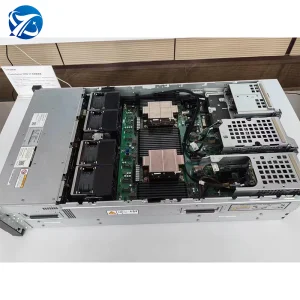
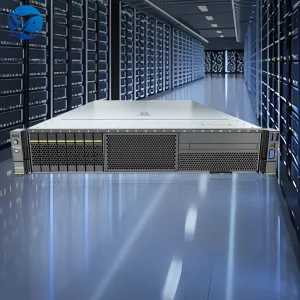
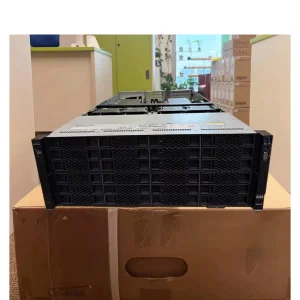
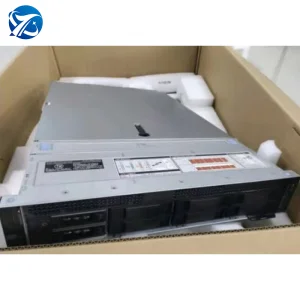
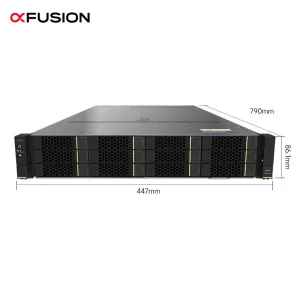
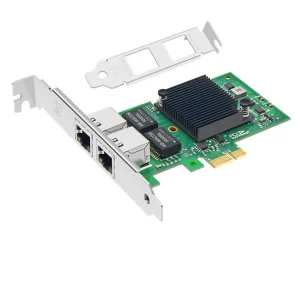
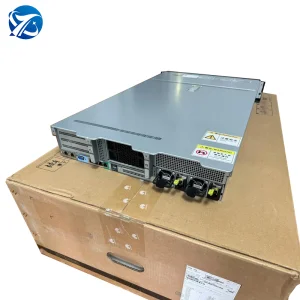
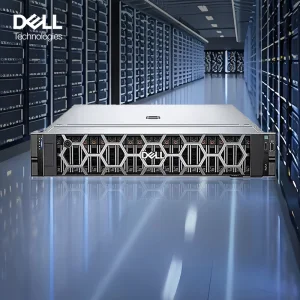
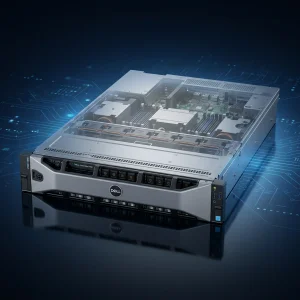
Modern physical security ecosystems rely on much more than locks and card readers. The integration of high-definition biometrics, automated license plate recognition (ALPR), and deep-learning video analytics demands backend computing structures that process data with near-zero latency. As a leading high-performance computing infrastructure manufacturer, Klyvora Node Technologies Ltd. has established itself at the intersection of AI GPU systems and enterprise-grade hardware integrations.
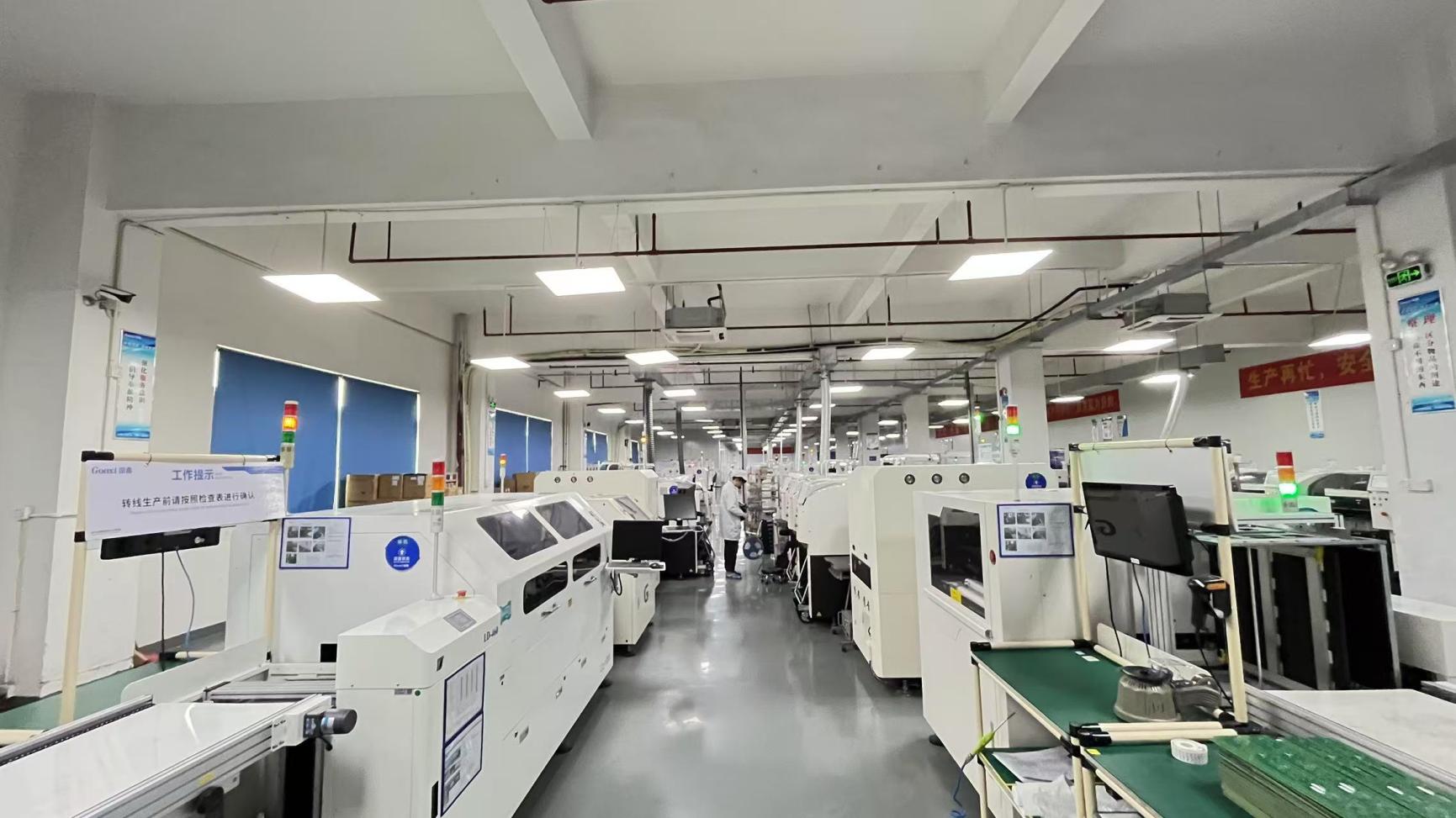
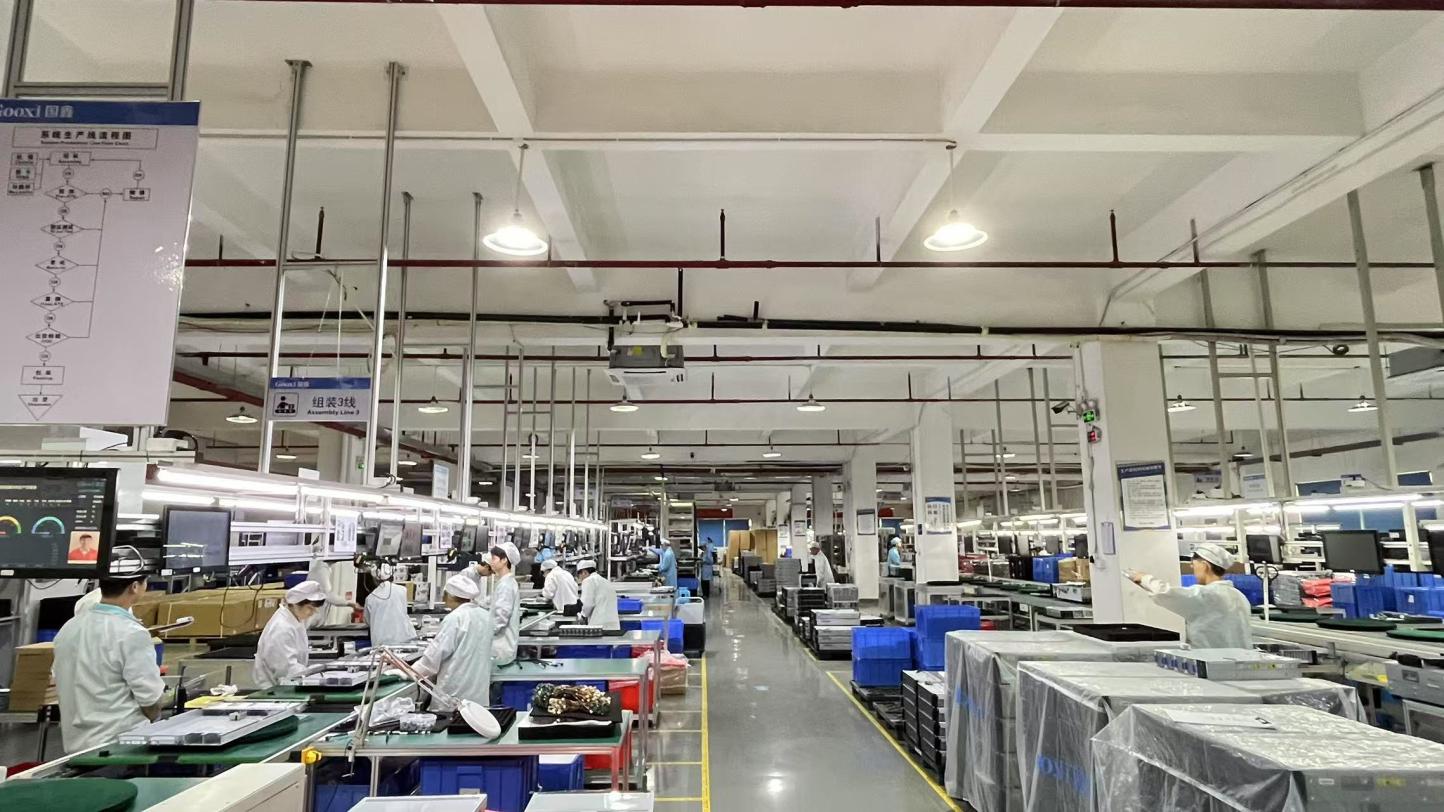
Established in 2016, our facility is engineered to support state-of-the-art Research & Development (R&D), hardware configuration, burn-in diagnostics, and comprehensive system testing. While access control system administrators demand secure edge controllers, the database orchestration and authentication intelligence live in high-density server nodes designed by us. We enable security integrators, OEMs, and SaaS providers to deploy heavy-duty cloud-connected databases and deep-learning nodes capable of managing tens of thousands of access points globally.
Our operation is built to support the rigorous demands of enterprise security system backends. Backed by complex validation frameworks, we provide the computational hardware that makes smart environments possible.
Operational data highlighting our manufacturing capability and global support framework.
How high-performance hardware architecture supports the transition from analog credentials to AI-driven, zero-trust physical security.
Enterprise applications are moving away from centralized hub-and-spoke architectures. Edge computers preprocess card swipe transactions, biometric scans, and spatial telemetry locally, relying on hardened multi-socket rack installations in corporate telecom closets.
Access points now utilize facial and gesture recognition to support touchless, high-throughput entry. Running these inference models locally requires high-density computing server solutions optimized for low-latency video decoding and high data storage speeds.
Global Software-as-a-Service (SaaS) access control relies on scalable cloud platforms. Secure data routing, cardholder credential databases, and continuous logging require enterprise hardware architectures built with high-throughput network cards and hot-swappable storage arrays.
Legacy access control systems relied on the Wiegand protocol, which is susceptible to credential interception. The global market is rapidly transitioning to the Open Supervised Device Protocol (OSDP) paired with AES-128/256 encryption. To process this encrypted traffic, high-end controller interfaces must connect to high-availability database servers that support cryptographic key management, automated credential generation, and continuous security logging.
Whether managing access for deep-water ports, government ministries, or commercial offices, the primary computational challenge is handling secure network requests. Klyvora Node Technologies Ltd. customizes GPU servers, high-density CPU nodes, and enterprise-grade network storage arrays to manage these complex authentication requests without system bottlenecks.
Tailoring our processing platforms for unique access environments.
Processing fingerprint profiles, 3D facial recognition templates, and iris patterns requires rapid database query execution. Our multi-socket CPU architectures, paired with ultra-fast solid-state storage (NVMe/PCIe 4.0), allow security managers to query millions of records in milliseconds, preventing bottlenecks at entry turnstiles and gates.
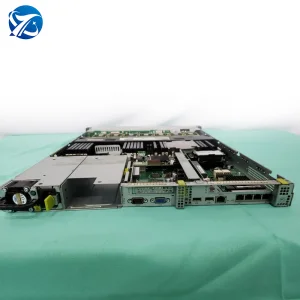
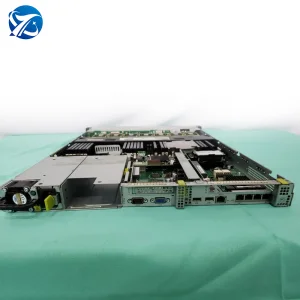
Utility substations, data hubs, and high-security government facilities require local survivability. In the event of a wide-area network failure, local server nodes must continue running facial recognition and event logging locally. We supply customized short-depth rack chassis and industrial computer assemblies designed to operate reliably in these challenging environments.
Large-scale facilities integrate access control with video management systems (VMS), fire alarms, and perimeter sensors. This data consolidation requires centralized compute platforms capable of processing multiple real-time inputs. Our high-density server configurations support multiple system operations, virtualization, and backup capabilities on a single server, lowering total cost of ownership for integrators.
With an active ecosystem of over 860 supply partners, we manage component sourcing to prevent project delays. We offer customizable BIOS configurations, OEM system branding, and custom packaging, ensuring that your enterprise server racks arrive pre-configured and ready for deployment.
Our development timeline for next-generation security hardware platforms.
Deploying energy-efficient GPU-accelerated computing nodes designed to run advanced video analysis and multi-factor biometric checks at the secure perimeter, reducing cloud bandwidth requirements.
Integrating cryptographic coprocessors into our rack server platforms to run post-quantum encryption protocols (PQC), protecting sensitive credential databases from future decryption threats.
Manufacturing specialized, highly distributed hardware storage platforms optimized for zero-knowledge proofs (ZKP) and decentralized credentials, prioritizing user privacy while maintaining secure access control.
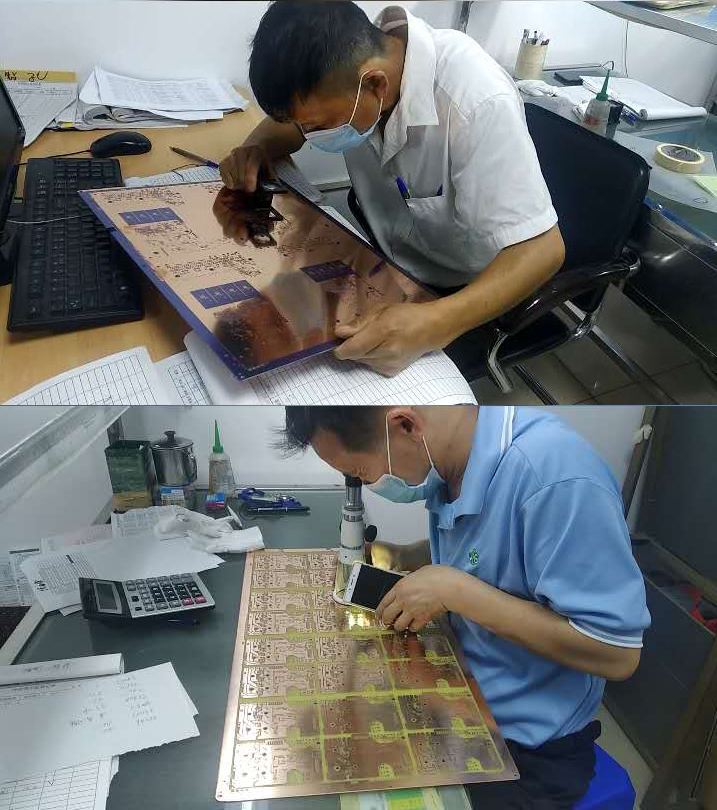
Security hardware requires high operational reliability. System failures or database crashes can lock down buildings or leave doors vulnerable. Our structured quality control process is designed to prevent failures under real-world operating conditions.
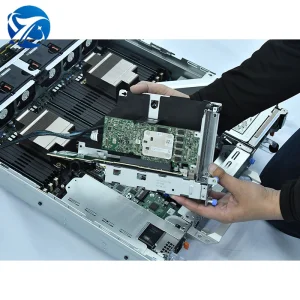
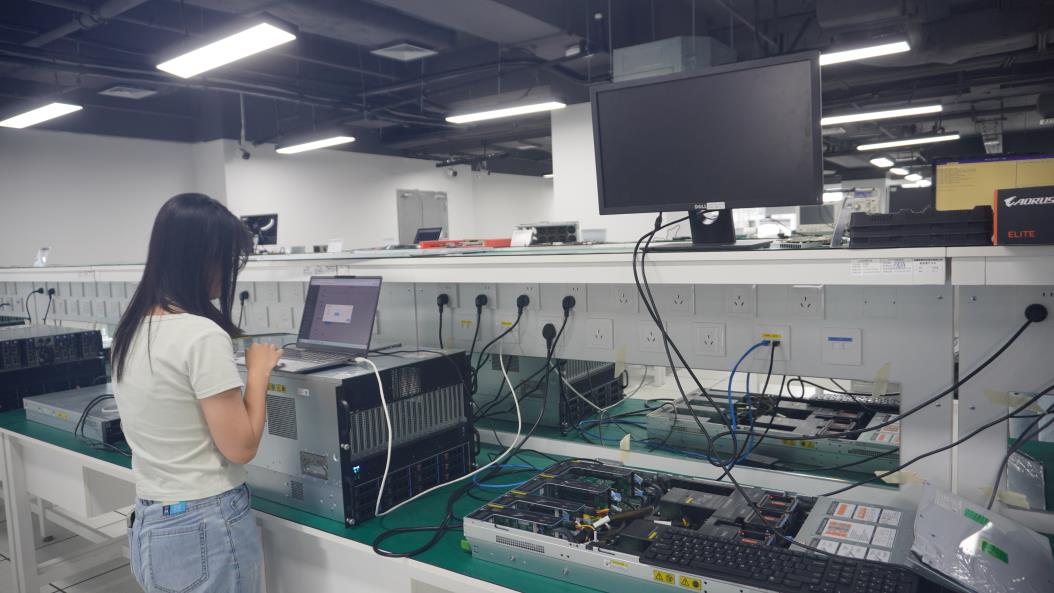
Our quality assurance workflow, overseen by 42 QC professionals, begins at the component level. Memory modules, processors, and network interfaces undergo initial performance screening. Once assembled, complete systems are subjected to burn-in testing under full load to identify potential hardware weaknesses. We perform multi-stage functional diagnostics, simulated power losses, and network bandwidth tests to confirm that every server meets our performance standards before delivery.
Our systems are configured to run deep hardware tests, verifying PCIe lanes, checking storage write speeds, and testing memory stability under varying temperatures. This process ensures consistent performance under sustained workloads.
We test systems in specialized chambers to confirm that rack configurations and cooling components manage heat effectively, helping to prolong hardware service life in high-density environments.
Technical details regarding our high-performance hardware, OEM options, and global support capabilities.