Klyvora
Klyvora
Klyvora

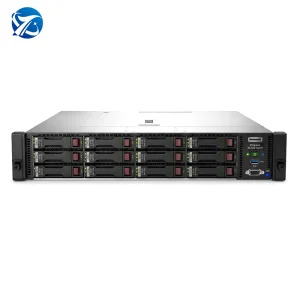
In the era of Industry 4.0, unplanned downtime has transitioned from a routine operational hassle to an unsustainable financial risk. Heavy manufacturing plants, automated logistics hubs, and energy generation infrastructures operate on margins where even a few minutes of failure can disrupt entire global supply chains. At the center of this transformation lies the movement from preventative maintenance—which relies on arbitrary schedules and arbitrary component replacements—to data-driven predictive maintenance (PdM).
True predictive maintenance relies on the continuous acquisition, processing, and analysis of multi-dimensional telemetry data. Sensory inputs such as high-frequency vibration, thermal signatures, ultrasonic acoustics, and electromagnetic dissipation must be monitored in real-time. The computational load generated by thousands of sensors on a single factory floor exceeds the capabilities of standard industrial programmable logic controllers (PLCs). Modern factories require robust edge computing nodes and centralized high-performance computing clusters capable of executing complex anomaly detection algorithms, fast Fourier transform (FFT) signal processing, and real-time deep neural network inference.
Studies indicate that implementing localized AI-driven predictive maintenance can reduce total maintenance costs by up to 30%, drop machine downtime by 45%, and eliminate catastrophic machinery failures on the production floor.
Our OEM servers are engineered to manage massive I/O workloads. Incorporating PCIe Gen 4.0/5.0 architectures and NVMe flash arrays allows systems to ingest thousands of sensor streams simultaneously without packet loss.
Deploying enterprise-grade node topologies ensures that data processed at the shop-floor edge is synchronized with central AI model training clusters, creating a continuous improvement cycle for predictive algorithms.
Procuring infrastructure for predictive maintenance involves managing complex operating environments, thermal constraints, long-term components supply, and system customization. Systems must handle diverse sensor networks, maintain low latency, and fit within existing factory layouts. At the same time, global supply chain volatility and varying regional compliance standards add complexity for procurement managers.
To address these challenges, Klyvora Node Technologies provides custom OEM hardware configurations designed to meet specific industrial requirements. Through our network of over 860 supply partners, we secure high-grade processors, server motherboards, solid-state memory, and high-performance controller cards. This supply-chain integration allows us to build computing systems designed for the harsh electrical and thermal environments found in industrial settings.
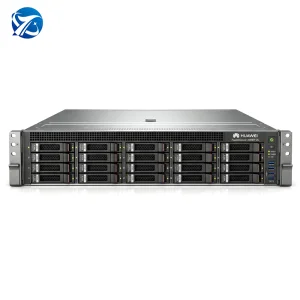
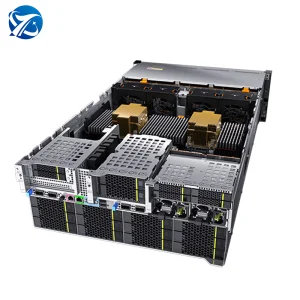
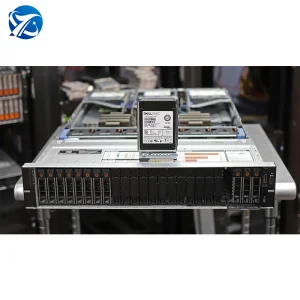
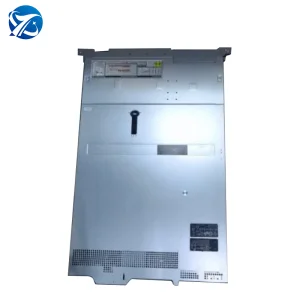
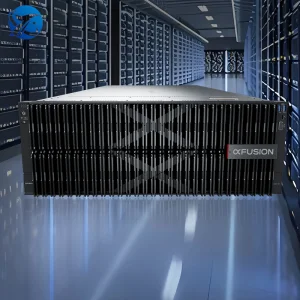
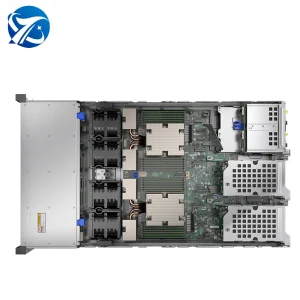
We design computing nodes ranging from compact 1U/2U rack servers for space-constrained control rooms to dense 4U GPU compute systems for deep-learning workloads.
Offering hybrid air and liquid cooling designs to maintain system stability in environments where standard air-cooled systems may fail.
We select hardware components with extended lifecycles, ensuring long-term software compatibility and simplified maintenance schedules.
By managing a broad supply network, we can maintain production schedules and component sourcing despite global market fluctuations.
Effective predictive maintenance requires a multi-tiered computing architecture. At the edge, hardware must support real-time data ingestion and low-latency inference. In the data center, systems need high parallel-processing capacity to train machine learning models using historical sensor data. This division of labor requires specialized hardware configurations at every level.
For model training and complex pattern recognition, our GPU-dense servers utilize high-throughput PCIe buses and high-speed system memory to handle large-scale database operations. For edge deployment, we optimize systems for power efficiency and high data throughput, enabling real-time processing of high-frequency sensor inputs.
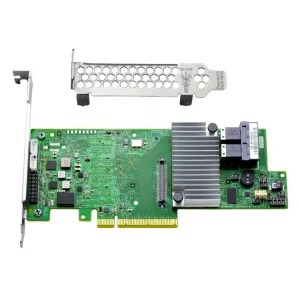
Equipped with enterprise-grade RAID controllers and read-intensive NVMe SSDs to log and stream millions of data points per second from vibration, acoustic, and thermal sensors without bottlenecking.
High-density multi-socket servers run local inference engines to spot anomalies and flag machinery wear early, allowing operators to schedule maintenance before failure occurs.
Multi-GPU systems process historical sensor datasets to refine machine learning models, improving anomaly detection accuracy across the entire fleet of machinery.
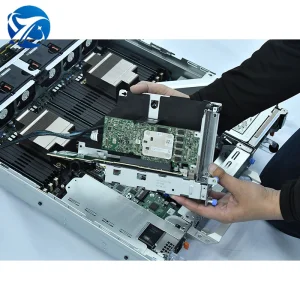
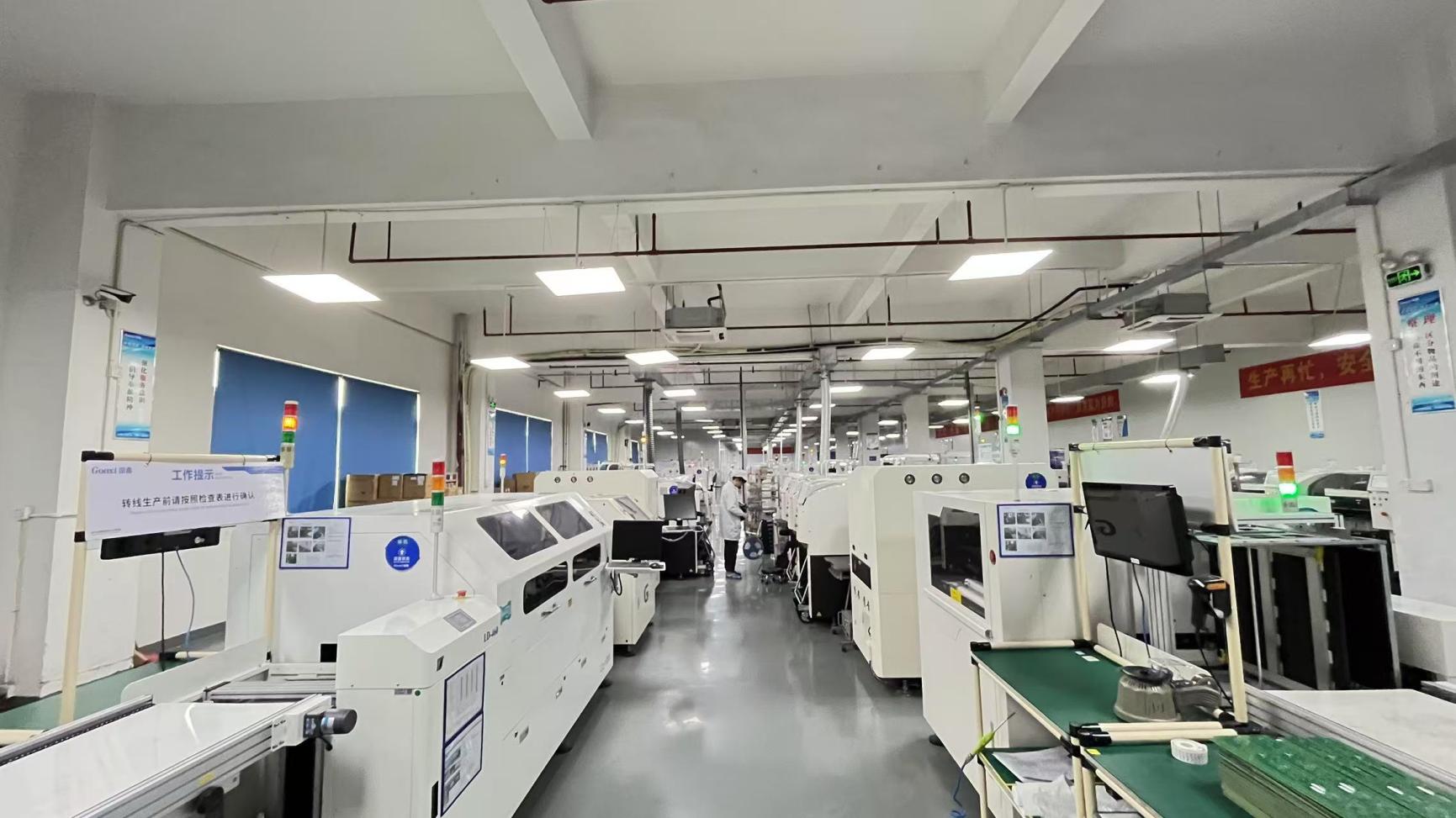
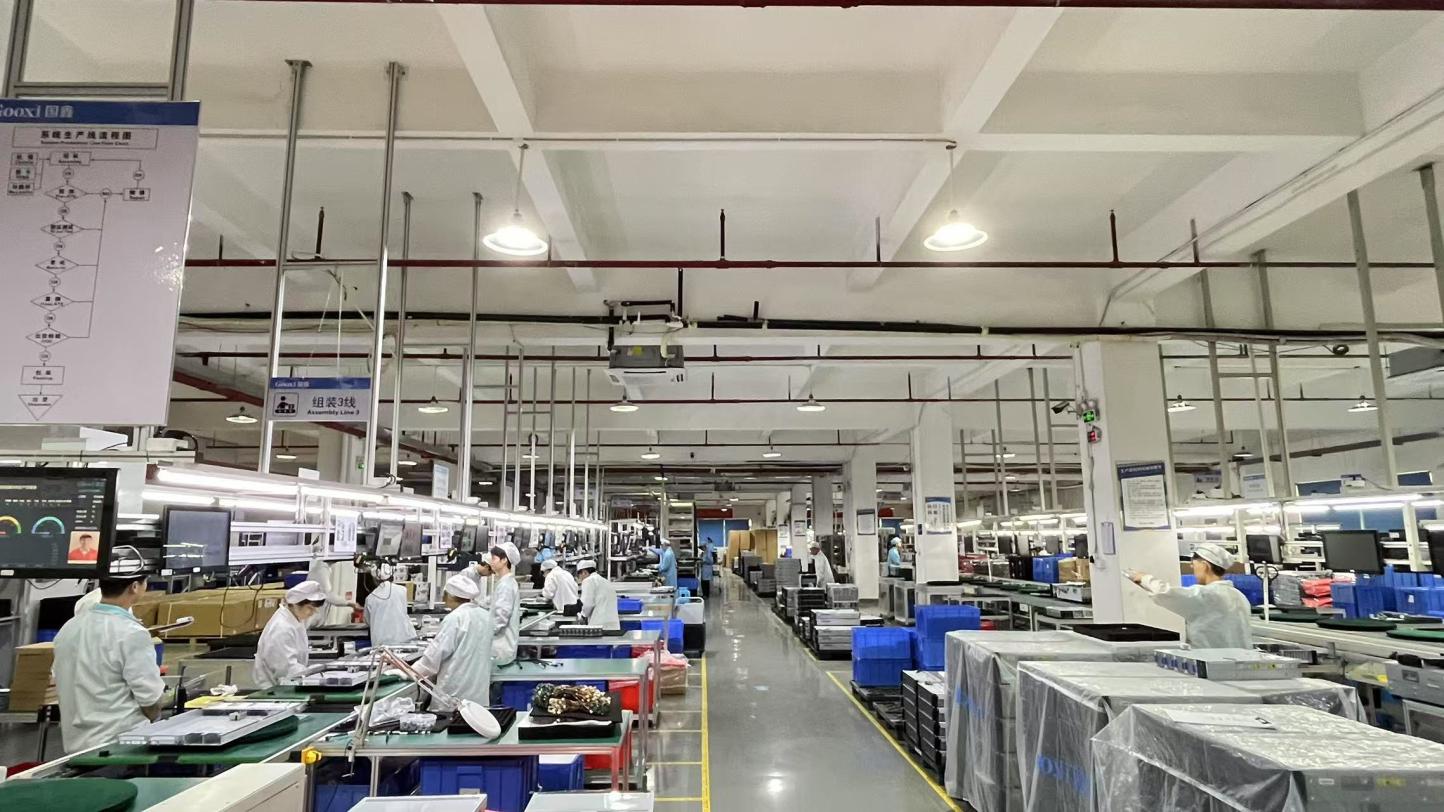
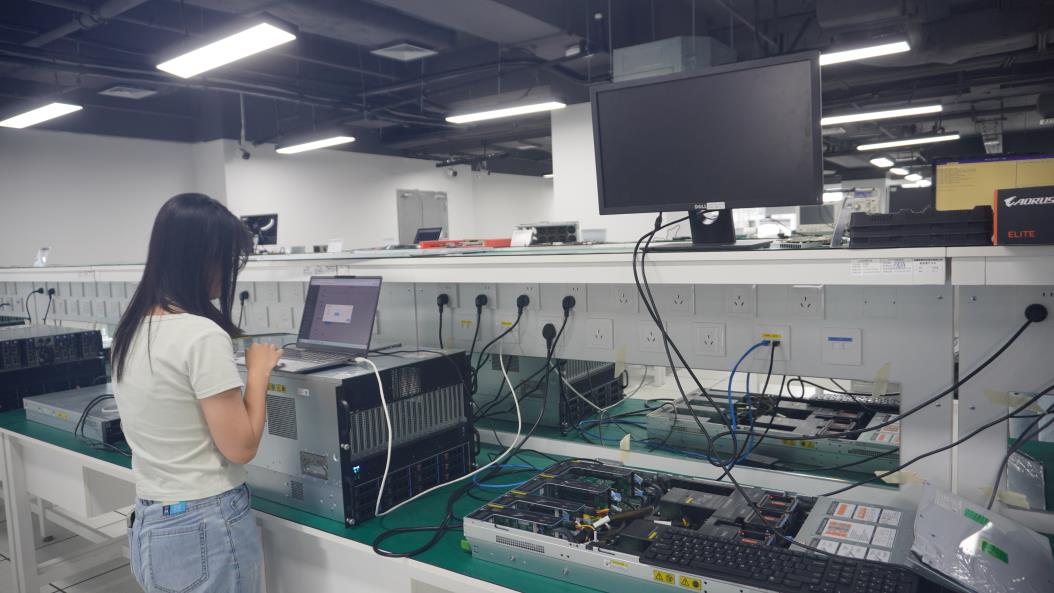
Established in 2016, Klyvora Node Technologies designs, assembles, and tests high-performance computing infrastructure. Our engineering team focuses on system integration, thermal design, and firmware optimization. Working out of our assembly and testing facility, we manage the build process from initial design to final hardware stress-testing.
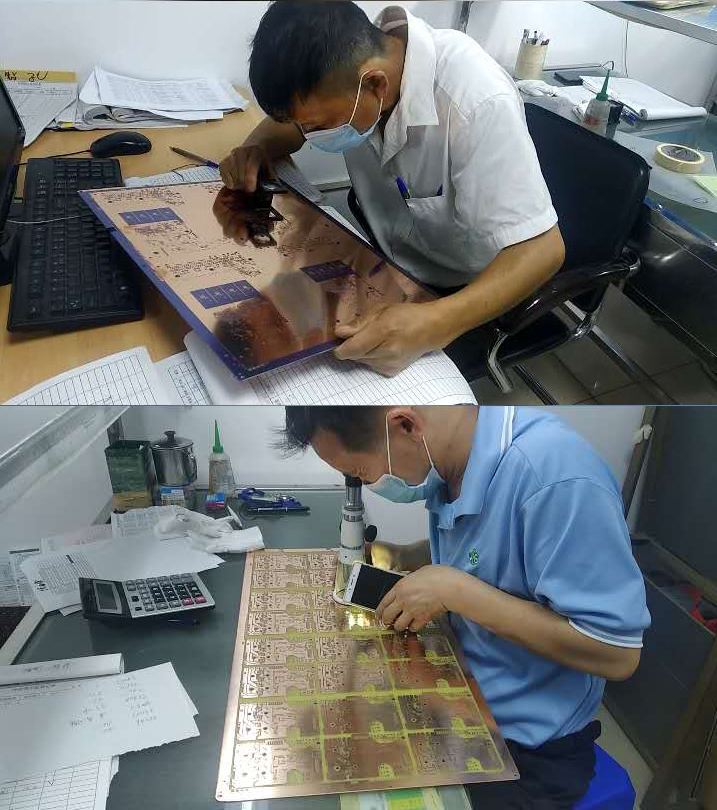
We use automated hardware stress diagnostics and thermal chamber validation to check system stability under heavy workloads. This structured quality assurance process, managed by our quality control team, is designed to ensure that each computing node meets required operational standards before shipment.
Our 180 engineers optimize server architecture, thermal dynamics, and firmware to support demanding enterprise software applications.
A dedicated team of 42 QC professionals runs multi-stage functional and stress testing to verify system reliability.
We customize BIOS/firmware settings, port layouts, and component options to integrate seamlessly with existing enterprise systems.
With years of export experience, we manage shipping, customs documentation, and regional compliance for international deliveries.
Different industries present unique demands for predictive maintenance systems. Our computing platforms are built to adapt to the specific requirements of various sectors, ensuring reliable operations under distinct environmental and operational conditions.
High-speed assembly lines use vibration and acoustic sensors to detect alignment issues. Our edge servers process these signals locally, allowing for rapid adjustments to prevent line shutdowns.
Remote wind turbines and substation equipment require low-power, high-reliability edge nodes. These systems run local diagnostics and transmit alerts over low-bandwidth connections.
Refineries require continuous monitoring of pressure, temperature, and flow rates. We build servers with redundant power systems to support uninterrupted processing of critical telemetry data.
Deploying enterprise computing hardware globally requires adherence to strict regional compliance standards and data sovereignty laws. Klyvora Node Technologies ensures that all custom OEM predictive maintenance nodes and servers conform to international regulatory and environmental frameworks. This simplifies global deployment and integration for multi-national corporations.
All custom configurations are designed to meet standard regulatory requirements, including CE, FCC, RoHS, and UL safety listings. In addition, our firmware-level security options help enterprises meet localized data sovereignty regulations such as GDPR and CCPA. By running data processing locally on-premise, companies can avoid transmitting sensitive operational telemetry across international borders, reducing risk and helping to maintain regulatory compliance.