Klyvora
Klyvora
Klyvora
Deploy top-tier server configurations paired with optimized power components to secure performance continuity in massive compute environments.
Modern cloud architectures, AI workload accelerators, and high-performance computing (HPC) nodes demand unprecedented density at the rack level. Traditionally, power distribution was treated as a passive mechanism. Today, Intelligent Power Distribution Units (iPDUs) act as the nervous system of the server rack cabinet, coordinating thermal, power, and environmental telemetry.
As standard racks transition from 10kW workloads to massive 40kW, 60kW, and even 100kW high-density liquid-cooled systems, OEM configurations must dynamically handle higher currents, triple-phase loads, and transient voltage spikes. Global businesses face the multi-layered challenge of managing disparate electrical frameworks—varying from North American NEMA standards to EMEA IEC architectures—while seeking single-pane-of-glass management systems.
Klyvora Node Technologies Ltd. is situated at the intersection of high-density hardware supply chains and customized electrical engineering, helping network architects source custom-built OEM power solutions that align perfectly with their global operational requirements.
Our OEM manufacturing frameworks allow operators to custom-define critical parameters:
Established in 2016, Klyvora Node Technologies Ltd. has evolved from an enterprise hardware system integrator into a premier high-performance computing infrastructure manufacturer. We optimize high-density AI GPU server platforms and the specialized power delivery architectures they mandate.
Operating from a modern production and assembly facility (320㎡ building area), our integrated R&D team implements end-to-end quality control workflows. Our product line bridges the gap between processing silicon and clean, redundant power delivery.
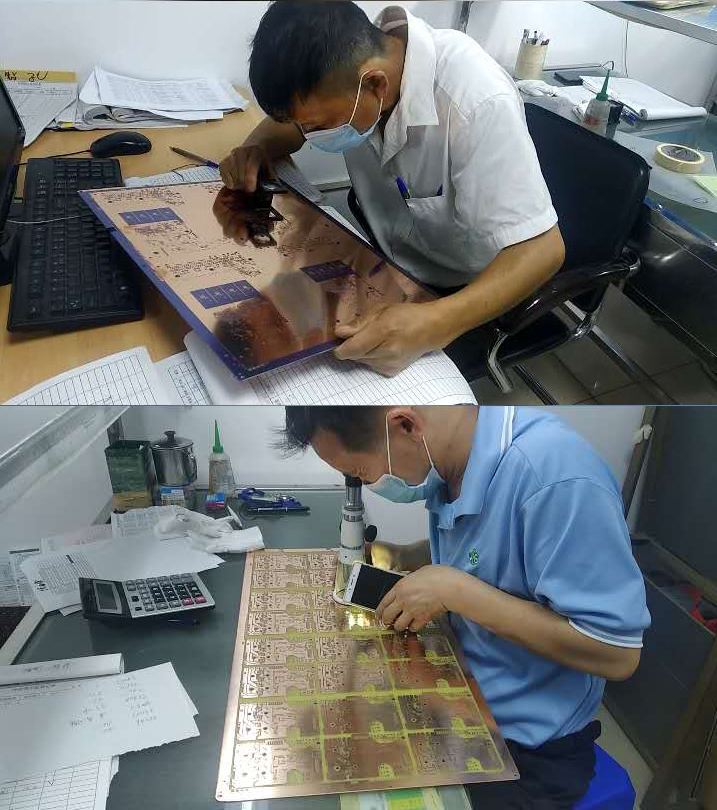
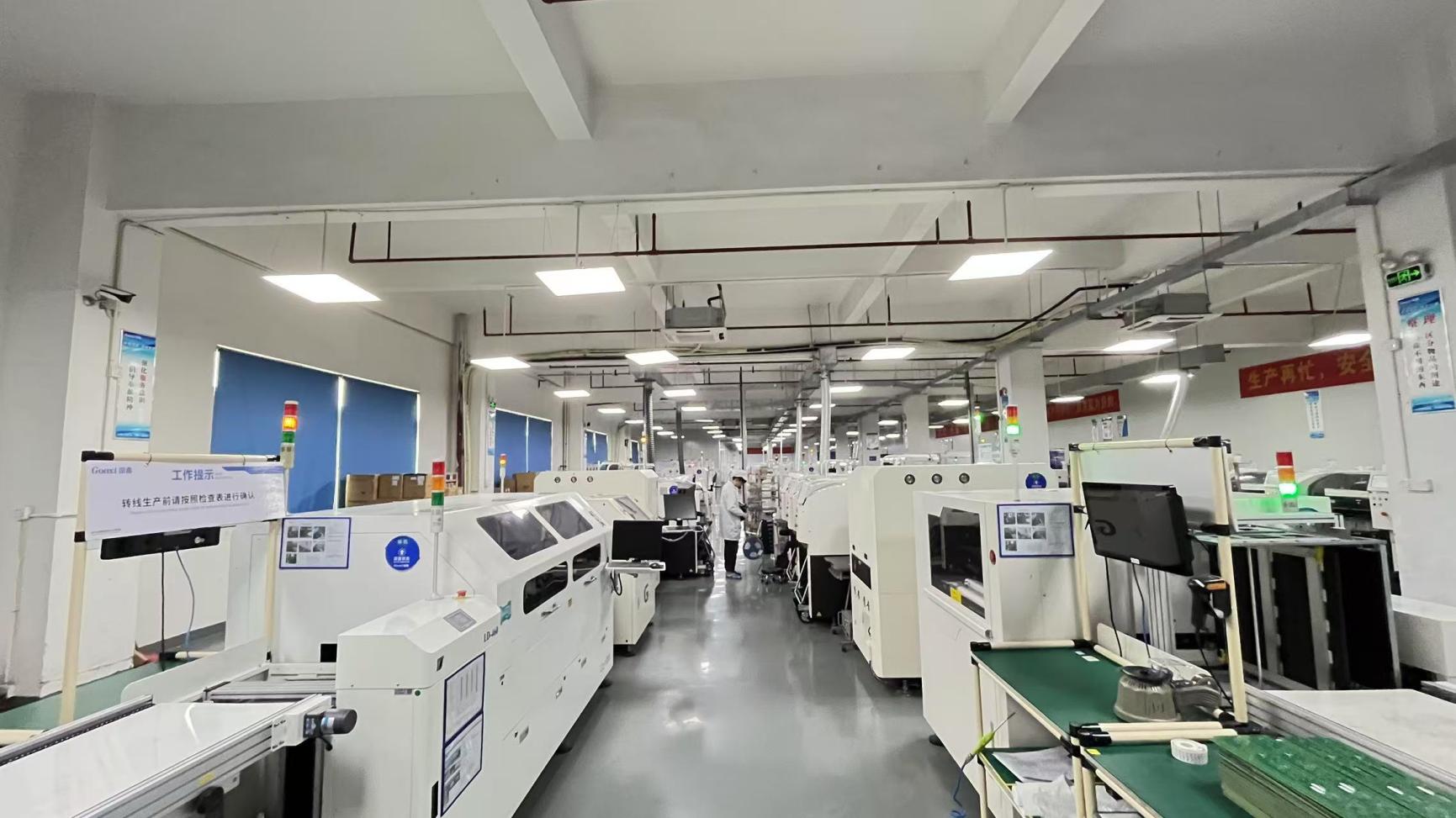
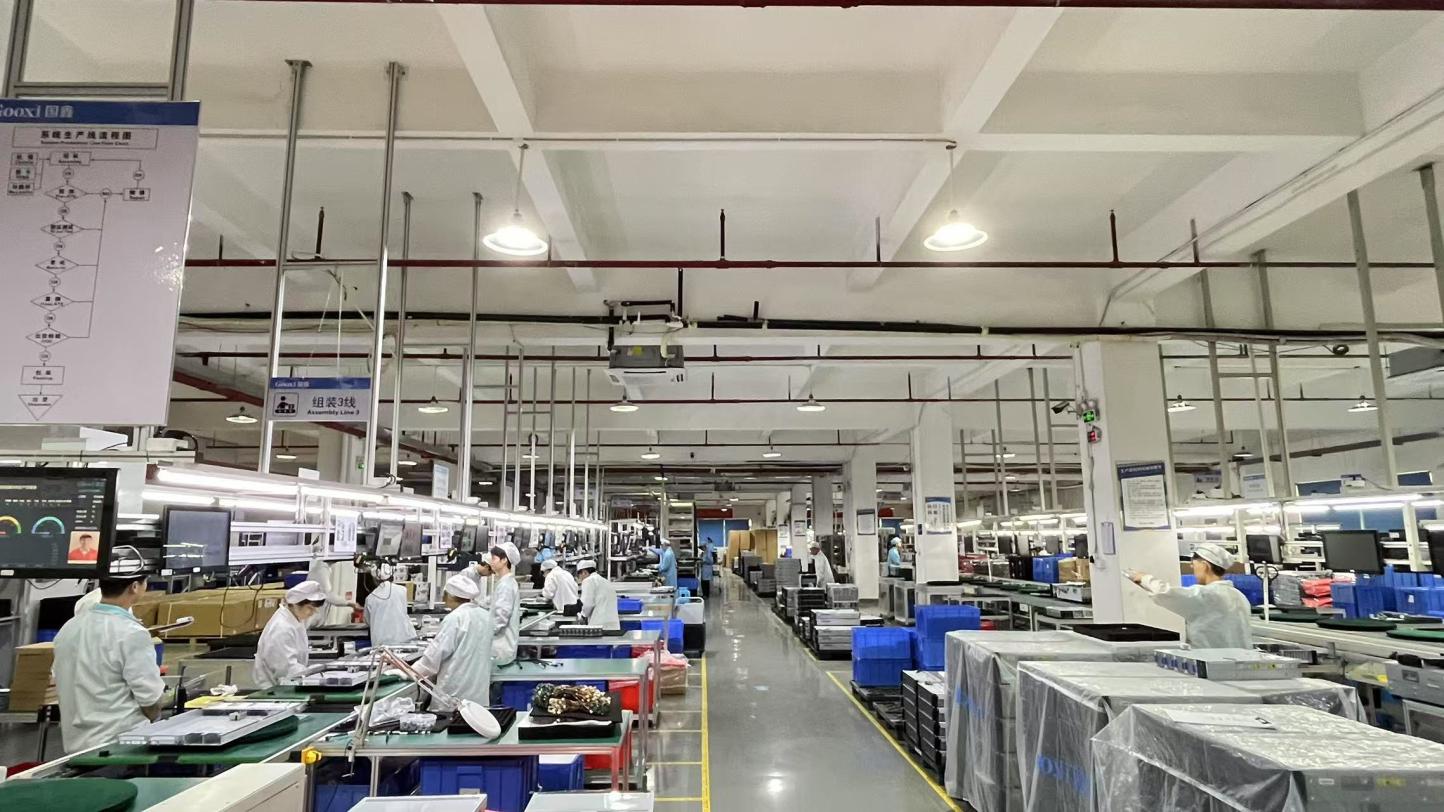
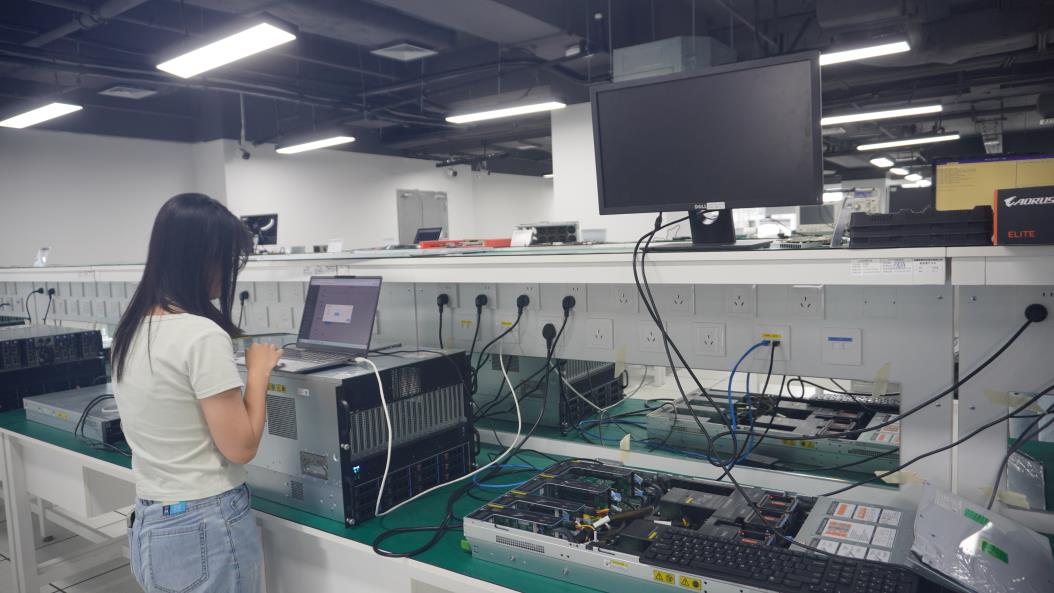
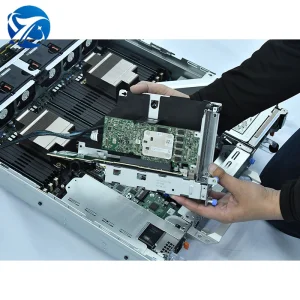
Operational facilities at Klyvora Node Technologies validation centers, facilitating thermal verification, system burn-in, and hardware stress diagnostics.
Explore our multi-tiered engineering matrix designed to bridge global localized grid capabilities with advanced data center applications.
We engineer custom OEM PDU solutions tailored to regional electrical inputs. For North America, we construct systems for 120V, 208V, and 415V three-phase delta/wye configurations. For EMEA and APAC markets, we design for standard 230V/400V grids, utilizing robust, certified cords and terminal plugs like Hubbell NEMA and Mennekes IEC.
By integrating billing-grade metering ICs, our custom smart PDUs provide ±1% measurement accuracy. Administrators gain precise real-time analytics for current (A), voltage (V), power factor, active power (W), and apparent power (VA) per individual outlet, enabling accurate co-location tenant billing and capacity planning.
Every OEM power distribution system is designed for compliance with strict global standards. Our regulatory pathways ensure products satisfy UL 62368-1, CE Mark, FCC Class A, RoHS, and WEEE guidelines, keeping your installations aligned with international safety codes and insurance liabilities.
How our customized power architecture solves critical engineering and operational constraints across specific physical environments.
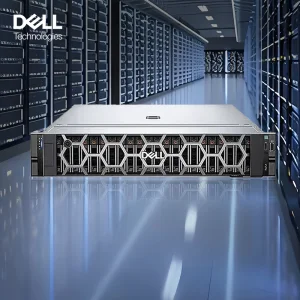
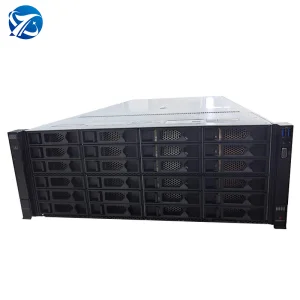
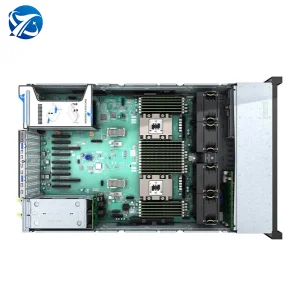
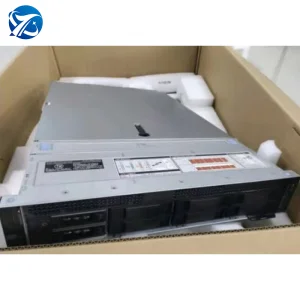
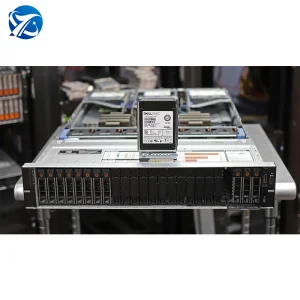
In modern training environments utilizing nodes like the Dell Poweredge AI R750/R760 or specialized custom multi-GPU servers, power consumption surges instantaneously during tensor calculations. Standard PDUs risk overloading due to transient current spikes. Our custom-engineered OEM PDUs incorporate hydraulic-magnetic circuit breakers that resist temperature-induced premature tripping, ensuring continuous uptime under sustained 100% workloads.
Edge nodes deployed in telecom infrastructure or manufacturing environments operate in constrained spaces with minimal localized oversight. Here, remote manageability is critical. Our smart OEM solutions feature environmental sensor ports (daisy-chainable up to 8 sensor probes) to monitor temperature, humidity, water leakage, and door status directly through the PDU interface, dispatching SNMP traps or SMTP alerts at the first sign of anomaly.
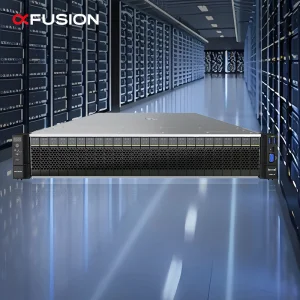
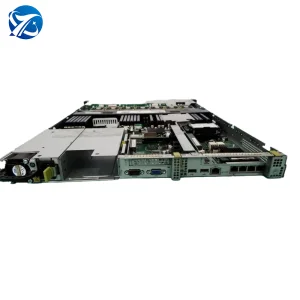
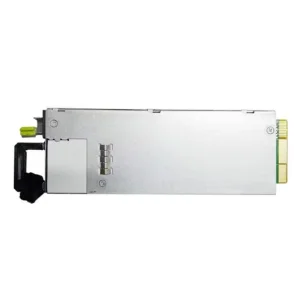
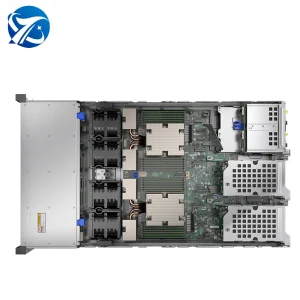
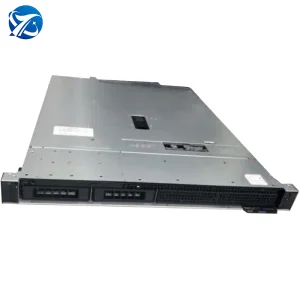
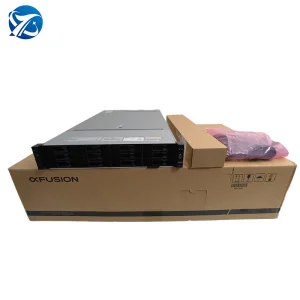
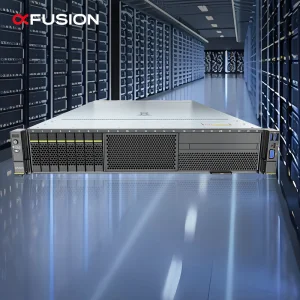
Upgrading legacy infrastructure to support modern cloud compute servers (such as the FusionServer 1288H V5 or xFusion 2288H V6) often encounters space restrictions inside server enclosures. Our ultra-slim 0U vertically mounted PDU chassis feature a low-profile design that minimizes obstruction of server exhaust fans. This optimizes airflow dynamics while routing clean power directly adjacent to the server PSUs.
Our engineering division continuously iterates on next-generation power infrastructure. Key developmental vectors for our future product releases include:
Efficiency standards like ISO/IEC 30134-2 place strict compliance limits on Power Usage Effectiveness (PUE) metrics. Legacy PDUs convert a portion of incoming power into waste heat, adding to cooling overhead. By utilizing low-resistance internal copper busbars and high-grade silver-alloy contacts in our outlet relays, Klyvora engineered power strips minimize internal power dissipation.
Furthermore, our advanced firmware allows sequential power-on delay configuration for individual outlets. This prevents massive in-rush currents during cold restarts, shielding the upstream transformer infrastructure from stress and protecting system components from premature degradation.
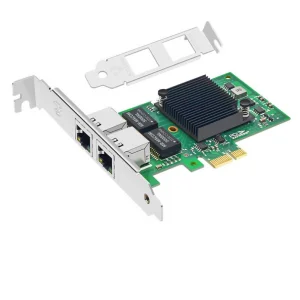
Explore our compatible range of rack units, network systems, and RAID expansion components designed for continuous enterprise availability.
Read our comprehensive engineering answers regarding rack power customization, load testing, and exporter integration.