Klyvora
Klyvora
Klyvora
Enterprise-grade server platforms designed for workload distribution, system redundancy, and high-throughput application balancing.
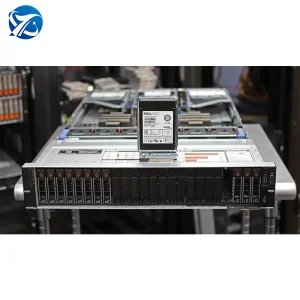
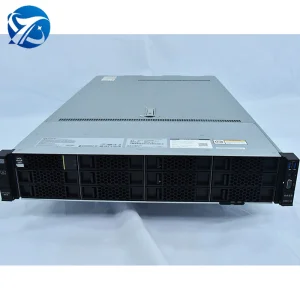
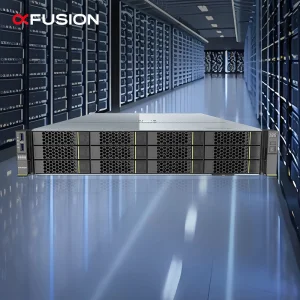
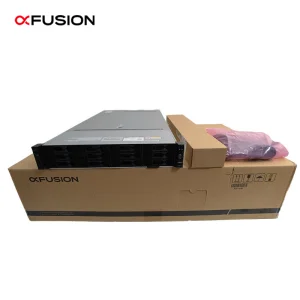
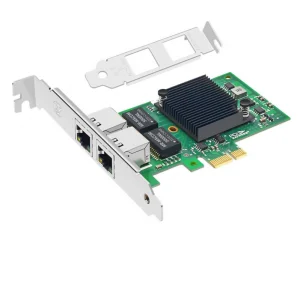
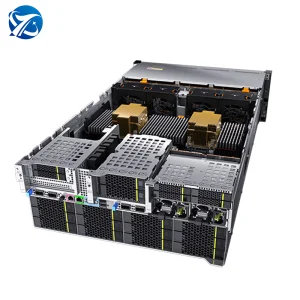
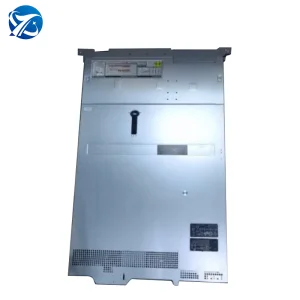
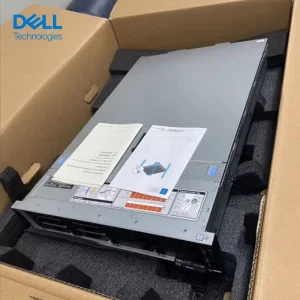
Analyzing key advancements in L4/L7 Traffic Management, SmartNIC Offloading, and AI Cluster Routing.
Modern applications demand sub-millisecond response times. Our customized server platforms support low-level hardware optimizations, providing seamless execution of L4 (Transport Layer) connection load balancing and L7 (Application Layer) content-based routing, critical for high-concurrency microservice architectures.
By offloading stateful network inspections to dedicated smart network interface cards (SmartNICs) and leveraging Kernel-bypass architectures (DPDK), Klyvora hardware configurations bypass host CPU bottlenecks, delivering optimized packet throughput and energy efficiency.
For workloads deploying massive AI systems like DeepSeek or LLM inference engines, balancing is no longer just about network packets. It requires balancing memory and compute overhead across GPU nodes. Our customized servers are engineered specifically to host complex multi-GPU cluster balancing engines.
In high-density server configurations, legacy round-robin mechanisms fail. Today's architectures rely on custom IPMI management and API integrations to monitor real-time thermal and CPU limits, dynamically redistributing heavy processing workloads before node degradation occurs.
Your certified manufacturing specialist for bespoke high-performance computing, advanced node load-balancers, and deep-learning infrastructure.
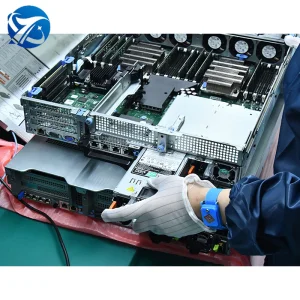
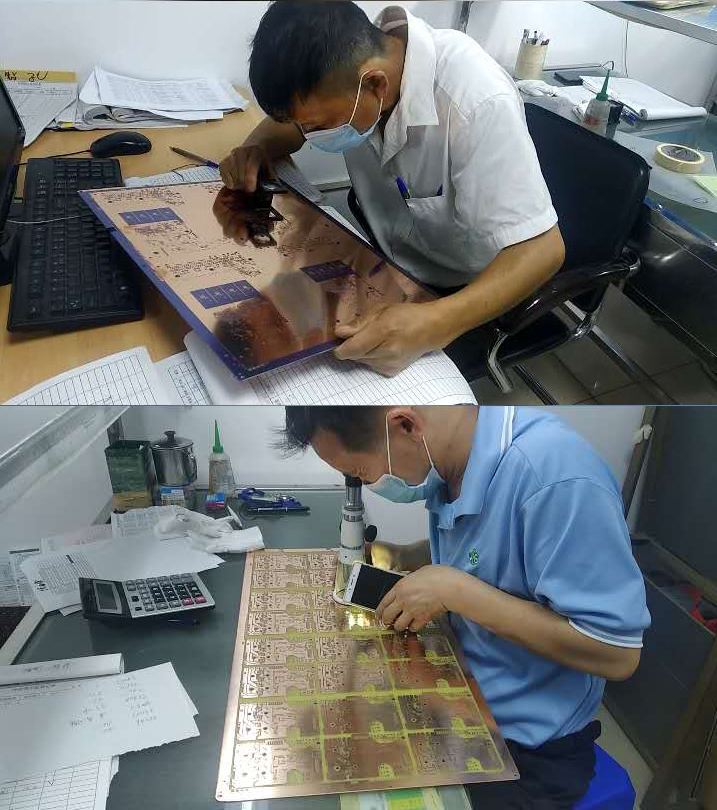
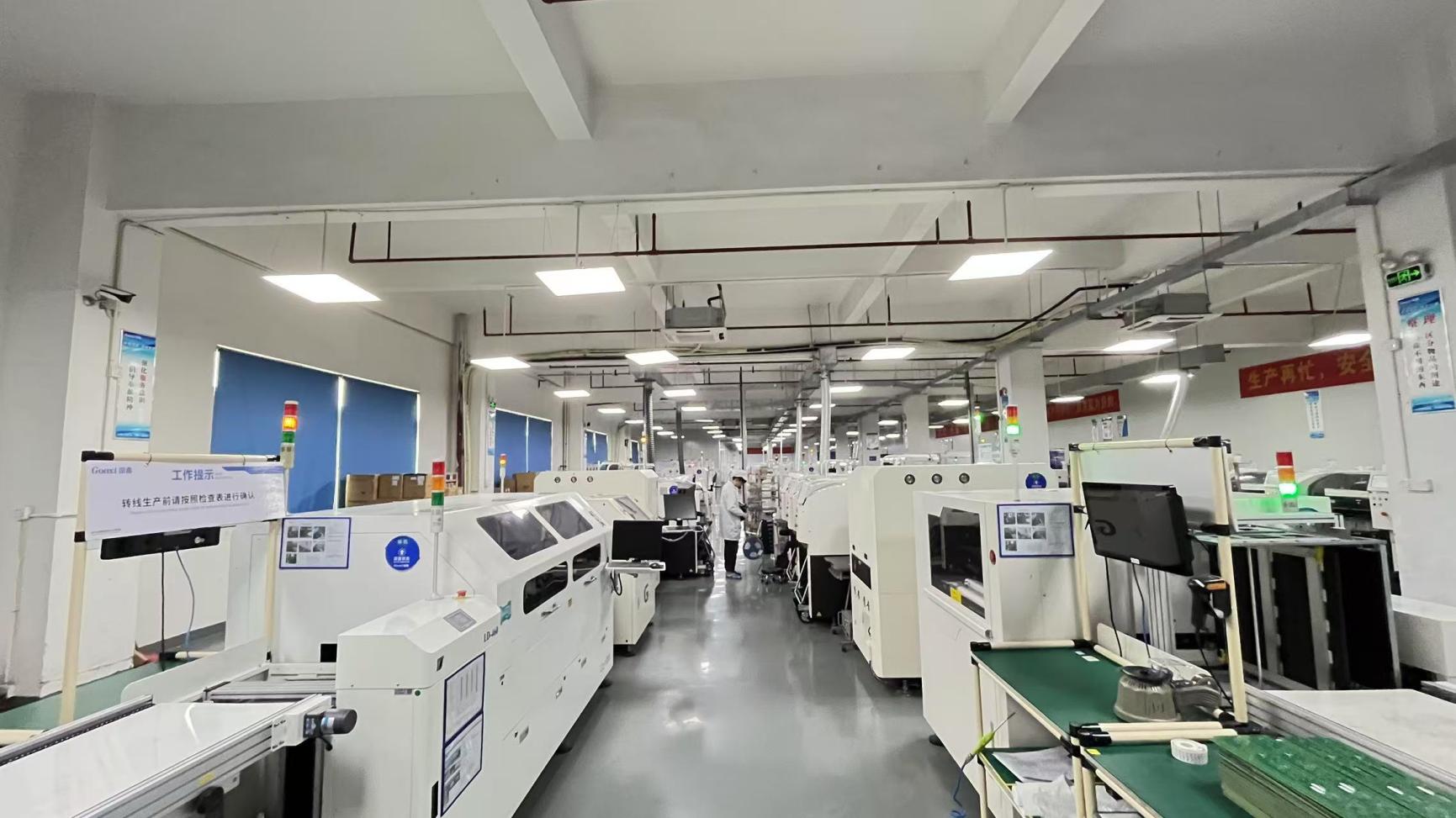
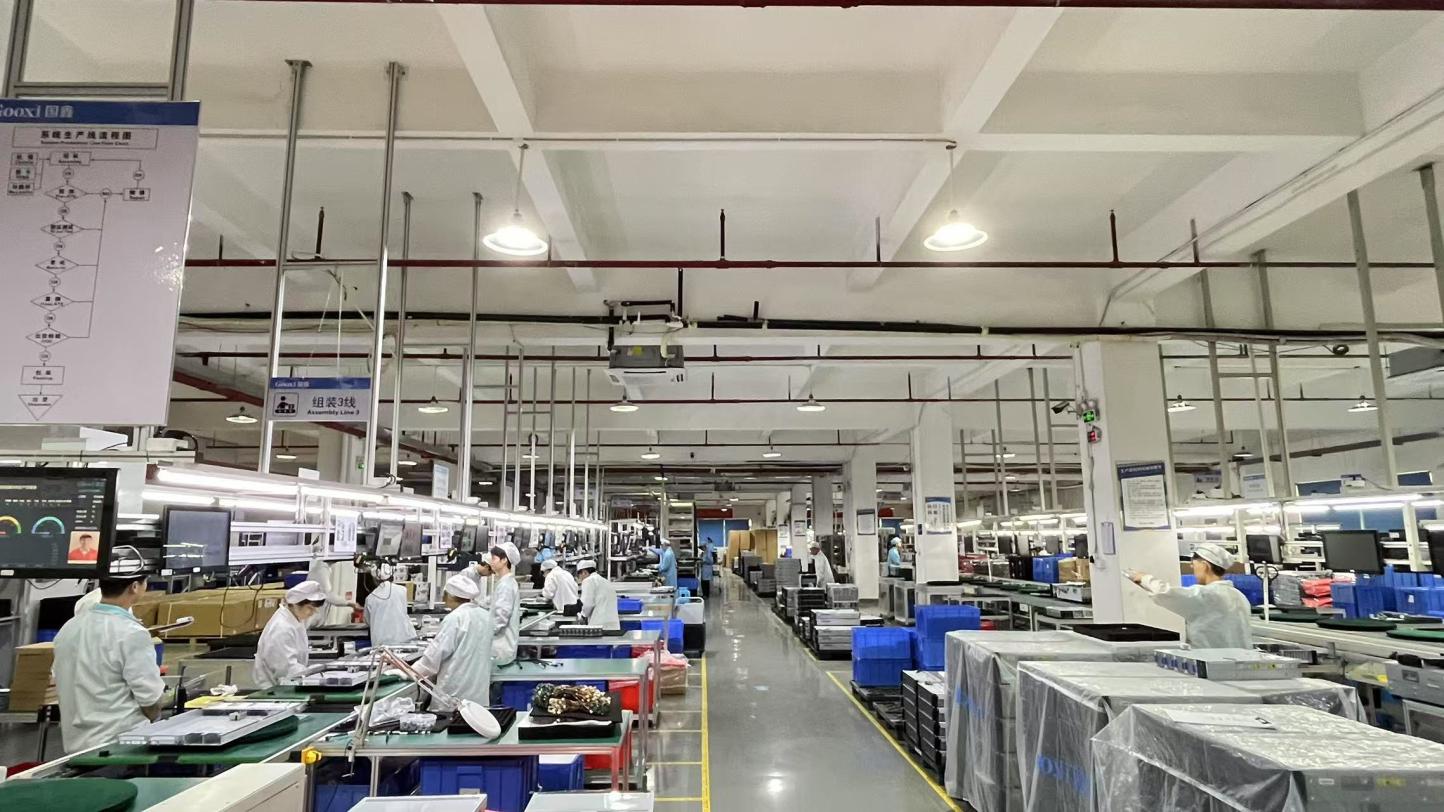
Established in 2016, Klyvora Node Technologies Ltd. has spent over a decade cultivating deep expertise in computing infrastructure, engineering state-of-the-art server racks, storage setups, and hardware appliances. Operating from a highly specialized, modern R&D and testing facility, we focus on advanced assembly, hardware diagnostics, and quality inspection.
Our custom OEM options allow developers and enterprise clients to tailor system boards, BIOS parameters, thermal controls, and network interfaces. This ensures that every load balancer or storage appliance aligns perfectly with specific network protocols and cluster systems.
Our operations rely on a secure supply network comprising over 860 partners. This collaboration provides Klyvora with direct, priority access to industry-standard components including:
This supply chain depth allows us to launch innovative platforms—such as our recent introduction of 86 new high-density products over the past year.
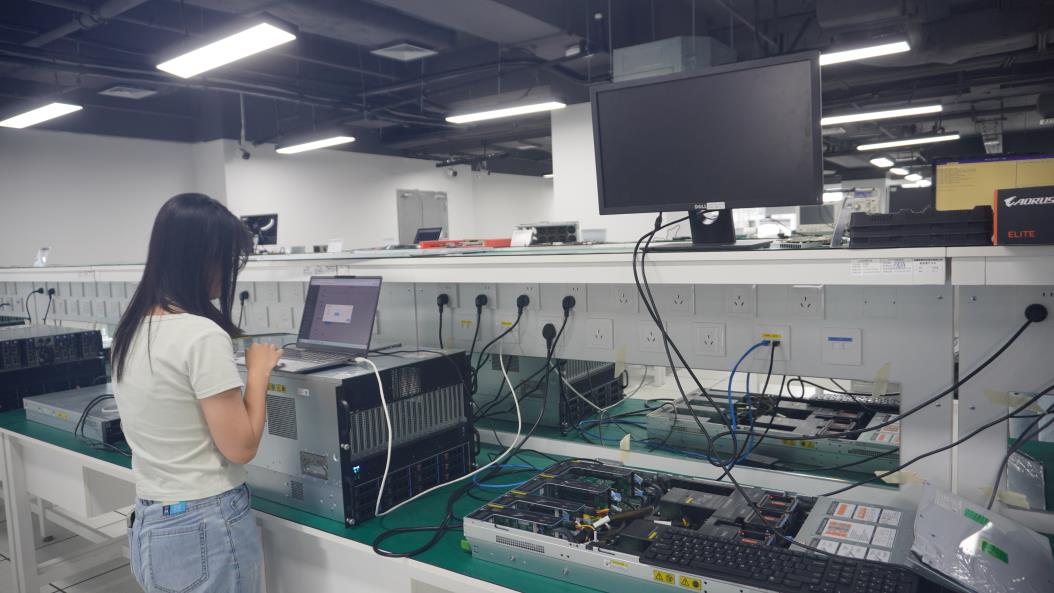
No unit leaves our facility without passing strict diagnostic processes to guarantee maximum uptime.
Every cluster node and load-balancing controller undergoes an array of physical and virtual checkpoints before shipping:
Our Quality Assurance department consists of 42 certified engineers who monitor production and testing. We adhere to international ISO-compliant framework models, maintaining an extensive array of diagnostic tools. This guarantees that our custom load balancing units run continuously in critical corporate data centers.
For custom OEM system configurations, we write custom test scripts tailored to your target software stack, reducing installation anomalies and minimizing deployment errors when the hardware arrives at your data center location.
Translating complex customer architectural requirements into physical hardware solutions.
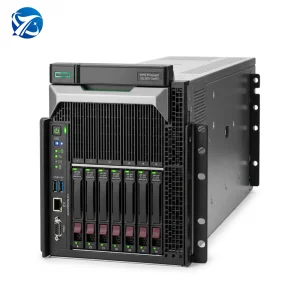
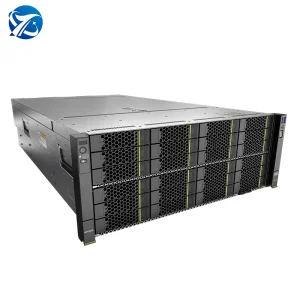
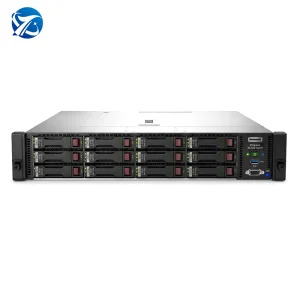
Whether you require standard 1U, 2U, or 4U rackmount form factors, our R&D division designs configurations that maximize component density, physical space, and cooling pathways.
We configure custom BIOS/UEFI architectures, tailoring PCIe configurations for high-speed network expansion cards, customized RAID arrays, and boot devices like the XP270-M2 SAS3808.
For dense AI infrastructure and clusters with high TDP processors, we offer direct-to-chip liquid cooling modifications, keeping operating temperatures low during full workload spikes.
How Klyvora is designing the next decade of load balancing and data storage architectures.
As computing requirements migrate toward high-speed interconnects, we are actively integrating PCIe Gen 5 and Gen 6 system architectures into our standard OEM motherboards. This allows network cards and hardware accelerators to pass traffic directly to memory pools, minimizing latency and boosting maximum system throughput.
Additionally, our firmware team is building solutions that support hardware-assisted Network Function Virtualization (NFV). This will enable developers to configure load balancing, firewall protection, and system routing within single, virtual environments without requiring multiple dedicated physical appliances.
Get answers to common hardware engineering, compliance, and custom order inquiries.
We optimize system motherboards and PCIe pathways to support network acceleration cards, helping systems handle high volumes of Layer 7 requests. We also configure custom cooling layouts to handle the thermal load generated by complex packet inspections.
Our engineering team modifies system BIOS and UEFI options to optimize network cards, configure secure boot parameters, and ensure compatibility with specialized hypervisors or cluster management software.
All server nodes are tested under full workload capacity inside heat chambers for at least 72 hours, ensuring the chassis and cooling systems can manage hot-aisle containment environments.
Yes, our high-density GPU platforms are optimized to partition and load-balance large LLMs, minimizing network bottlenecks through high-speed PCIe layouts and direct memory access protocols (RDMA/RoCE).
Explore our highly-regarded cloud center systems, customizable servers, and storage expansion arrays.