Klyvora
Klyvora
Klyvora
In the global financial landscape of high-frequency trading (HFT) and market-making, speed is absolute. Standard rackmount infrastructure often falls short due to thermal throttling, high jitter rates, and standard OS bottlenecks. As a specialized, premium hardware architect, Klyvora Node Technologies Ltd. designs, engineers, and manufactures application-specific server solutions engineered to secure unmatched execution speeds.
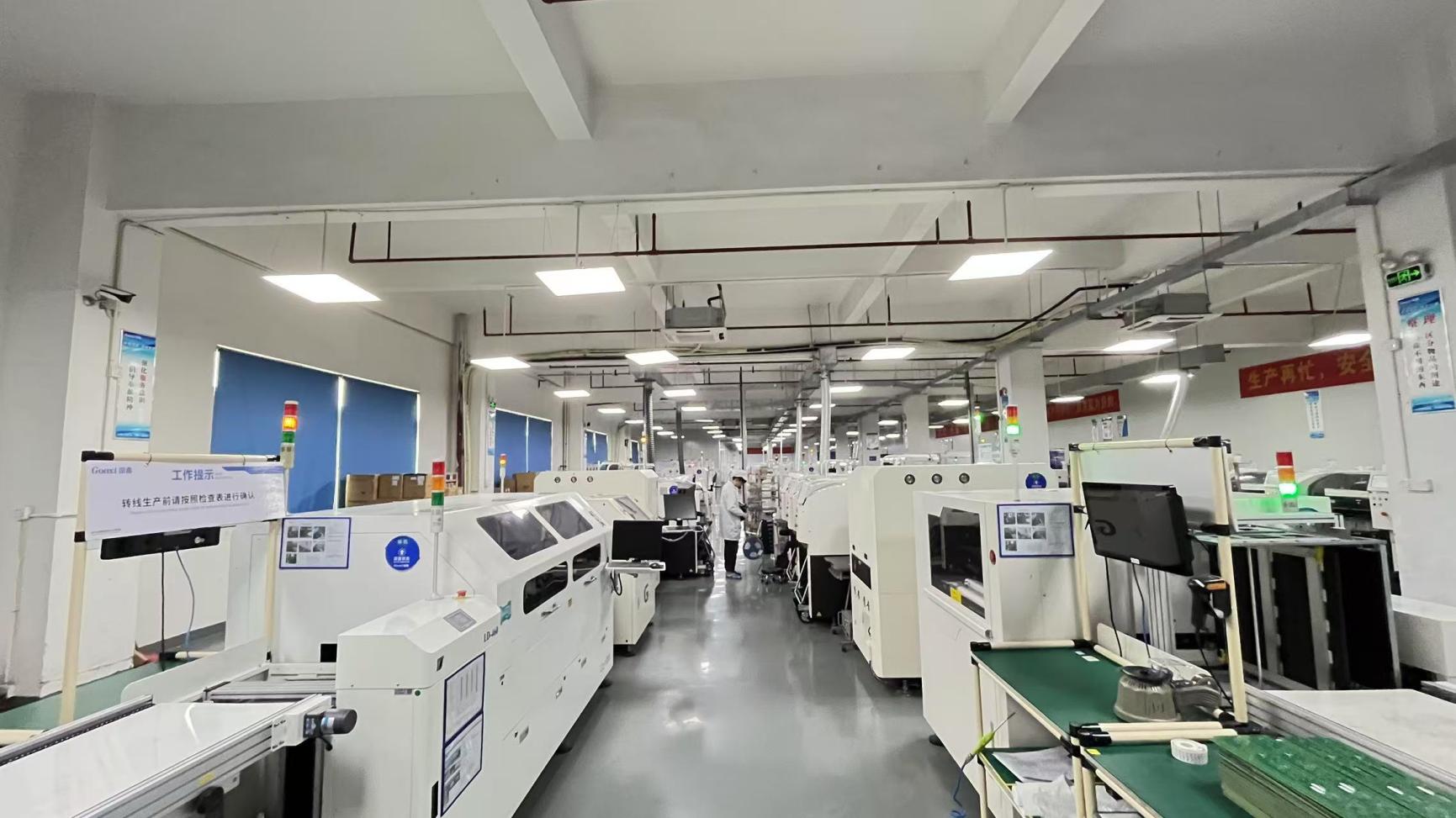
Established in 2016, Klyvora operates a state-of-the-art production facility with an integrated R&D, assembly, and diagnostics environment. Through 11+ years of cumulative industry expertise, we specialize in high-density AI GPU clusters, liquid-cooled compute engines, and hyper-customized low-latency HFT nodes. By bridging enterprise-level component networks with sub-nanosecond hardware optimizations, we supply algorithmic funds, buy-side proprietary trading desks, and Tier-1 market makers worldwide.
Explore our enterprise computing lines, standard server baselines, and acceleration options optimized for high-throughput, low-latency financial systems integration.
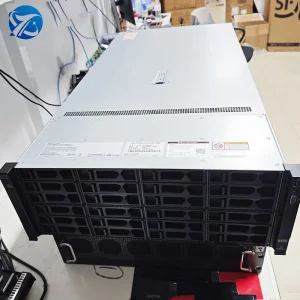


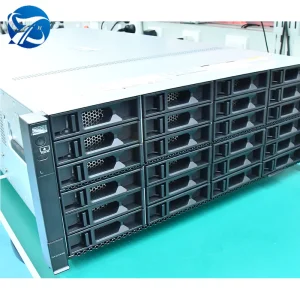
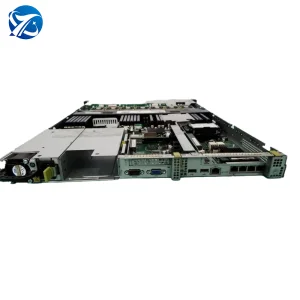
Modern electronic trading requires executing transactions in sub-microsecond timeframes. Over the past decade, high-frequency trading architecture has evolved from standard x86 servers to custom-engineered, ultra-overclocked compute cores integrated with hardware accelerators. In major trading centers like Chicago, New York, London, and Tokyo, the difference of 50 nanoseconds defines the line between a profitable trade execution and a missed trade.
Rather than optimizing for high core count at low speeds, HFT applications require processors locked at maximum boost frequencies (often 5.0+ GHz). Off-the-shelf operating systems and dynamic CPU scaling introduce frequency fluctuations, known as thermal jitter. Low-latency OEM design isolates individual cores, disables power saving states (C-states), and pins trading algorithms to static, overclocked cores with direct cache mapping.
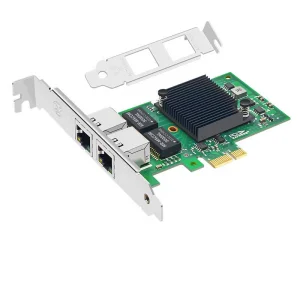
The traditional operating system network stack introduces significant latency overhead. Custom OEM server designs integrate specialized Field Programmable Gate Arrays (FPGAs), such as AMD Xilinx Alveo cards, alongside SmartNICs like Solarflare. Running kernel-bypass frameworks (OpenOnload or EF_VI) allows network packets to bypass the OS kernel, delivering data payloads directly from the physical line to user-space application memory in nanoseconds.
Regulatory mandates (such as MiFID II in Europe) require microsecond-accurate time tracing for all market events. Financial servers rely on hardware-level IEEE 1588 PTP (Precision Time Protocol) compliance. By embedding specialized timing chips directly onto host network interfaces, trading engines achieve sub-nanosecond timestamp synchronization across distributed exchange matching networks.
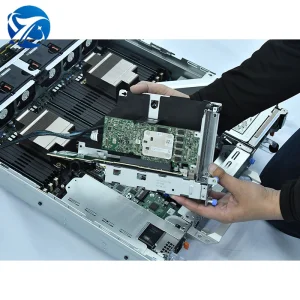
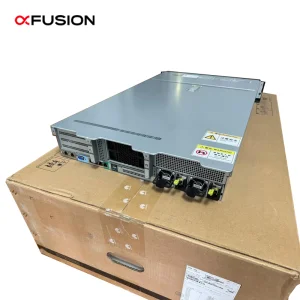
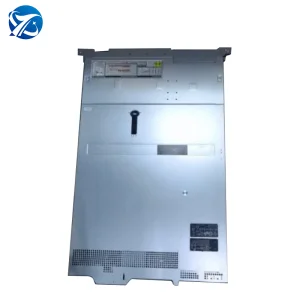
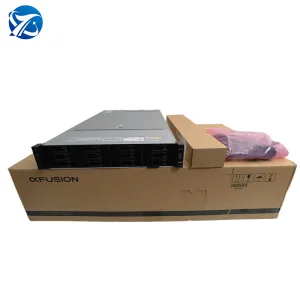
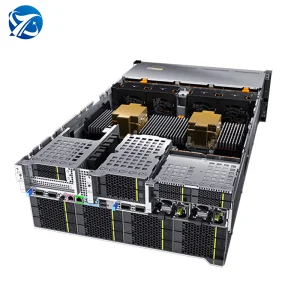
Procurement processes in high-frequency trading departments differ significantly from generic IT infrastructure purchasing. While enterprise databases target storage density and hypervisor consolidation, HFT buyers target physical latency minimization. Standard server platforms, such as Dell PowerEdge and xFusion server lines, serve as stable, high-reliability baselines. However, proprietary trading desks demand deep customization to strip out non-essential subsystems, configure specialized memory profiles, and implement liquid cooling modules.
Operating from our integrated manufacturing hub, Klyvora Node Technologies Ltd. leverages China's advanced electronics and industrial supply chain ecosystem. In low-latency hardware manufacturing, accessing high-grade PCBs, multi-phase voltage regulator modules, and advanced thermal cooling loops is essential. The localized manufacturing model supports rapid prototyping cycles that reduce hardware turnaround times from months to weeks.
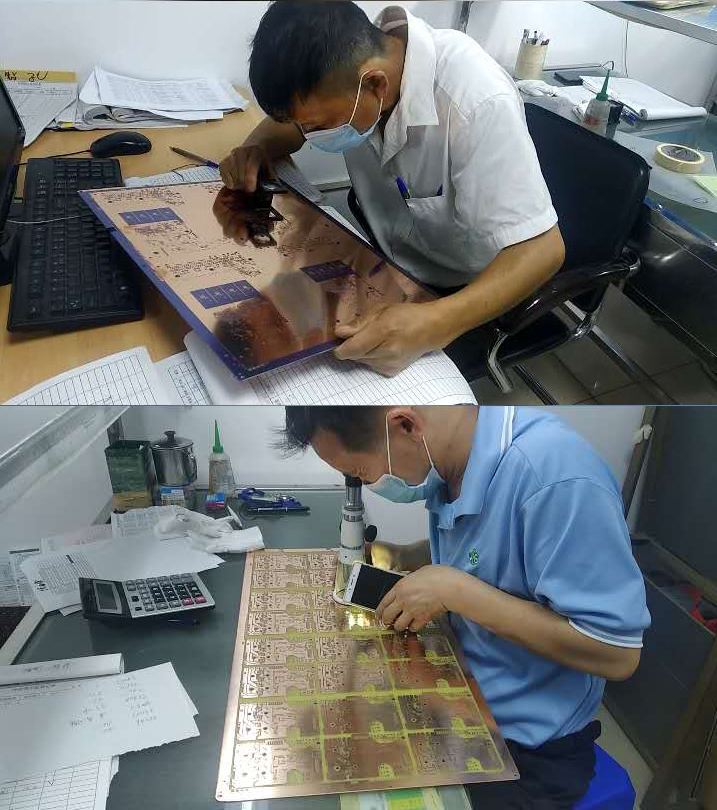
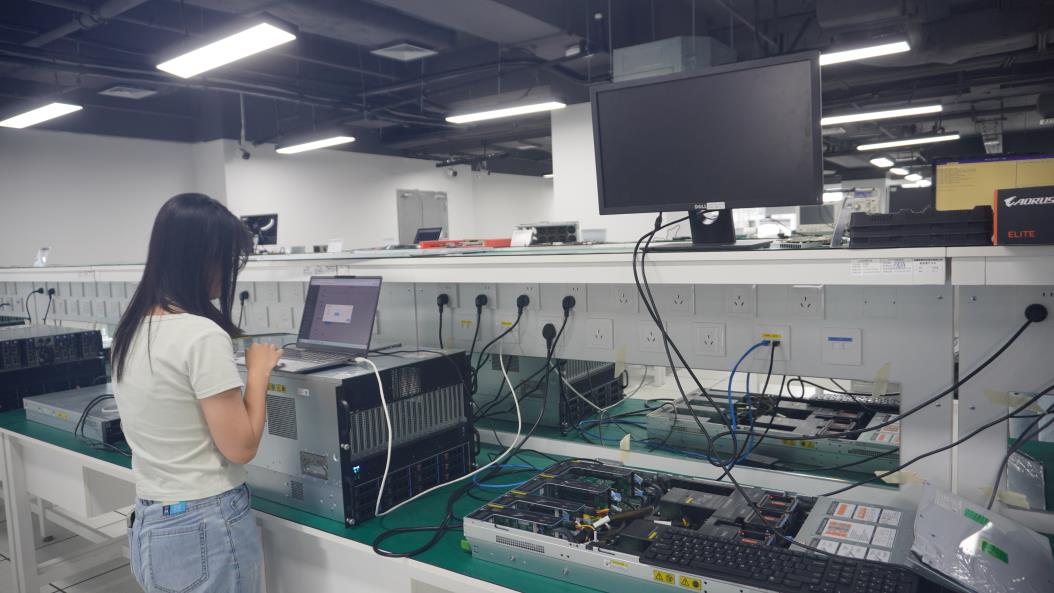
Our assembly facility employs rigorous quality inspection methods. Every system undergoes custom burn-in stress testing, multi-stage functional diagnostics, and thermal camera profiling to locate potential hotspots under simulated maximum workloads. Backed by 42 dedicated quality assurance professionals, we ensure that every custom OEM server chassis conforms to strict international tolerances before global dispatch.
With access to over 860 supply chain partners, we secure specialized system components—including low-jitter clocks, gold-plated connectors, high-conductivity thermal pastes, and specialized copper heatpipes. This integration allows Klyvora to provide global clients with reliable equipment sourcing, even during supply chain constraints.

To demonstrate the performance impact of specialized hardware engineering, the comparison matrix below highlights the architectural differences between a standard enterprise rackmount node and a custom OEM low-latency server tailored by Klyvora:
| Architectural Component | Standard Enterprise Server (e.g., Stock Dell/xFusion) | Klyvora Custom OEM Low-Latency Optimized Server |
|---|---|---|
| CPU Configuration | Dual-socket Intel Xeon / AMD EPYC (high core count, variable frequency) | Single or Dual-socket overclocked Intel Core/Xeon W (highest single-core boost clock) |
| Frequency Control | Dynamic scaling active (SpeedStep, C-States, Turbo Boost enabled dynamically) | Fixed frequency locking, power saving disabled, cores pinned directly to trading logic |
| Network Latency | Standard OS TCP/IP stack handling (~10 to 50 microseconds latency) | Kernel-bypass (OpenOnload), FPGA hardware acceleration (<600 nanoseconds tick-to-trade) |
| Thermal Solution | Standard chassis fan cooling (throttles frequency at 85°C CPU load) | Custom closed-loop liquid cooling or low-profile high-RPM copper heatsinks |
| PCIe Subsystems | Shared bandwidth PCIe slots through standard lane risers | Dedicated, direct-to-CPU Gen 5 lanes with zero riser-board interferences |
| Time Synchrony | NTP client sync via software daemon (millisecond accuracy range) | PTP hardware synchronization (IEEE 1588v2) on NIC (sub-nanosecond precision) |
Low-latency servers must operate near exchange matching engines to minimize fiber-optic transit delays. This requires deploying hardware inside specialized, high-density financial data centers (colocation facilities). Below are the primary deployment environments where Klyvora's custom systems are engineered to operate:
Serving the US equity and derivatives market (direct links to NASDAQ, NYSE, and BATS). Deployments in NY4 require low-profile (1U/2U) rack footprints optimized for strict power allocation envelopes (typically 2kW to 5kW per rack limit) and precise fiber length matching.
The central processing point for European FX trading and debt instruments. Systems deployed here require highly reliable power distribution units (PDUs) and dual redundant, hot-swappable power supplies to ensure continuous runtime across multiple market shifts.
Key hubs for Asia-Pacific commodities, derivatives, and index futures. High relative humidity and strict thermal limits require robust chassis designs with specialized airflows to manage heat dissipation without causing acoustic or vibrational fan noise.
Understanding the technical details of custom hardware optimization helps buy-side engineering teams specify target builds.
C-states represent power-saving modes that reduce CPU power draw by shutting down internal core clocks and cache blocks. When a trade signal is received, transition delays occur as the CPU wakes from low-power states to full performance mode (C0). By disabling C-states in the BIOS, Klyvora locks the CPU cores in their high-performance execution state, ensuring immediate instruction processing without power-state transition lag.
FPGA (Field Programmable Gate Array) hardware allows trading logic to run directly on physical circuits rather than through a software operating system. FPGAs process incoming exchange feed data, parse order book updates, and execute risk checks in nanoseconds. Our custom chassis support dual-slot, high-power FPGAs with direct airflow paths to manage continuous operational thermal loads.
Yes. While baseline systems function as standard enterprise platforms, Klyvora provides custom hardware integration. We modify standard configurations by upgrading system thermal management, installing low-latency memory, and integrating specialized NICs. Additionally, we customize the system BIOS to configure specific PCI Express lane allocations and disable power-throttling functions.
Stabilizing overclocked hardware requires strict heat management and clean power delivery. We use multi-phase power modules to ensure stable voltage delivery to the CPU. In addition, our systems are subjected to testing in our diagnostic facility. Using automated load tests, we run systems at maximum capacity to verify that thermal profiles remain stable under continuous, high-performance workloads.
Sub-microsecond sync (under one-millionth of a second) is standard for software timestamping with PTP. Sub-nanosecond sync (under one-billionth of a second) requires hardware-level timing chips embedded directly in the PHY (physical layer) of the network interface. Klyvora integrates specialized SmartNICs with onboard TCXO/OCXO oscillators to maintain precise timing even during network disruptions.
Select configurations optimized for back-testing historic trading data, running quantitative simulation models, and supporting deep learning workloads.

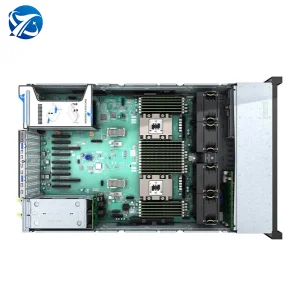
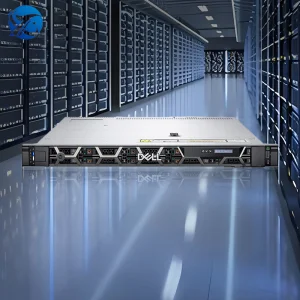

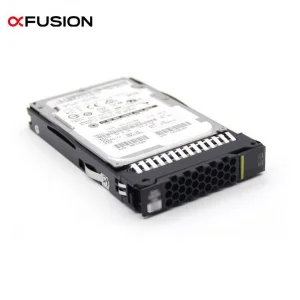
High-frequency trading environments require specialized systems configuration. Standard IT infrastructure is rarely sufficient to support execution speeds where every microsecond matters.
Partnering with an experienced OEM manufacturer like Klyvora Node Technologies Ltd. provides your engineering team with tailored solutions. From BIOS-level modifications to thermal design and physical components optimization, we deliver custom systems built to meet demanding performance specifications.