Klyvora
Klyvora
Klyvora
In modern data centers, standard, out-of-the-box system firmware often fails to satisfy the intensive demands of specialized workloads. When deploying deep learning infrastructures, scalable cluster networks, and high-density GPU nodes, standard configurations suffer from performance latency, power imbalances, and vulnerability exposure. Klyvora Node Technologies Ltd. bridges this critical gap. We operate at the intersection of high-performance physical server manufacturing and customized BIOS/UEFI/BMC software integration.
For critical operations running large-scale workloads like DeepSeek AI, standard hypervisor environments require granular control over PCIe slot power allocations, CPU/GPU interconnect alignments, and thermal fan curves. Custom OEM firmware serves as the digital connective tissue, unlocking hidden compute overhead, preserving physical hardware integrity, and securing bare-metal hardware registers against systemic firmware level threats.
Klyvora Node Technologies Ltd. blends deep technical hardware design with responsive global logistical integration. Our track record spans over a decade of systems optimization.
Modern system-level hardware is undergoing a structural shift. The convergence of CPU architectures, dedicated GPU accelerators, and high-speed network interfaces (like SmartNICs and DPUs) demands that firmware transitions from a static configuration loader into a dynamic resource orchestrator. Klyvora is spearheading several engineering programs designed to handle this evolution:
Migrating systems from proprietary BMC platforms to a highly secure OpenBMC environment. This enables custom telemetry monitoring, reduces license lock-ins, and allows cloud operations to patch vulnerabilities instantly.
Implementing predictive AI-driven power allocation thresholds. Our upgraded firmware continuously negotiates power distribution between high-draw GPUs and Xeon/Epyc host processors, mitigating transient power spikes.
Integrating cryptographic algorithms directly into UEFI boot states. This protects firmware layers from interception and guarantees code integrity from assembly to full scale deployment.
Firmware customization is not a one-size-fits-all product. Different industrial workloads demand distinct hardware-level adjustments to maximize stability and economic yield.
Workloads running distributed AI frameworks such as DeepSeek require custom firmware architectures to manage high-speed data pathways. Standard systems experience latency bottlenecks over PCI Express switches.
In transaction execution, latency is measured in nanoseconds. Normal server OS configurations introduce unpredictable CPU micro-jitters during background hardware polls.
Hardware deployment depends on meeting strict regional regulations and security audits. A server cannot be put into production without passing local compliance and data-protection checks. Klyvora ensures all firmware packages are developed and maintained under strict engineering guidelines:
All system builds follow the NIST Platform Firmware Resiliency guidelines. Our architectures verify boot code signatures before running, prevent unauthorized modifications, and restore clean configurations in the event of an attack.
We supply a detailed Software Bill of Materials (SBOM) with every firmware release. This lists every driver, library, and tool, simplifying compliance audits and risk management for cybersecurity teams.
Our customized hardware systems comply with CE, FCC, VCCI, and TAA regulations. Our global export experience ensures smooth deployment in data centers across Europe, North America, and Asia.
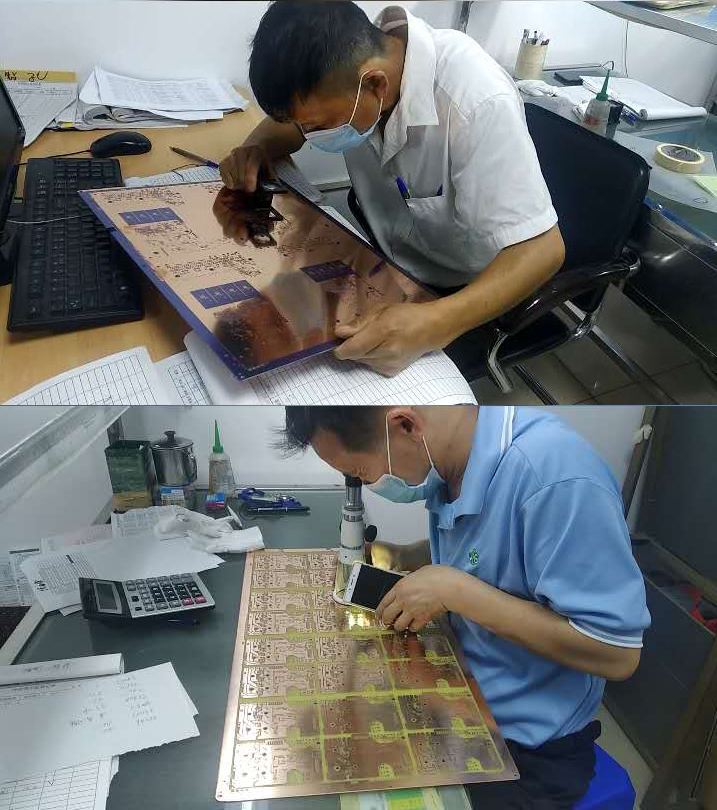
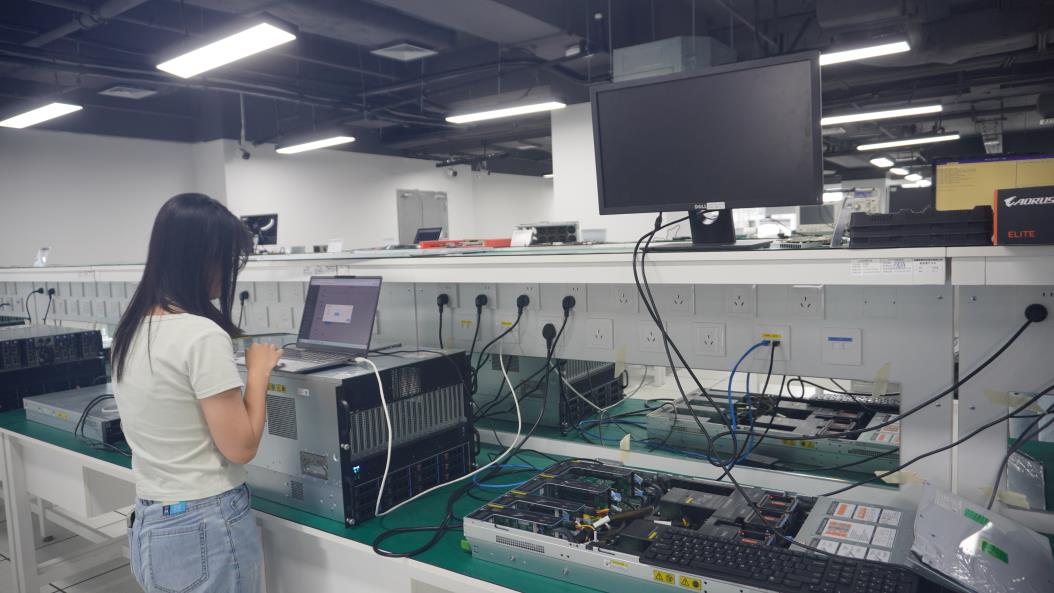
Located in the heart of China’s high-tech manufacturing corridor, Klyvora Node Technologies Ltd. operates a highly optimized, specialized manufacturing base. We run integrated R&D, precision assembly, and rigorous testing lines within a specialized 320㎡ pilot facility. This space is designed for small-batch prototyping, configuration design, and critical diagnostic procedures.
Our facility is backed by a global network of over 860 component suppliers, ensuring a reliable flow of raw materials, power supplies, and high-performance accelerators. Our quality control team includes 42 dedicated quality assurance professionals who monitor every stage of production.
Every node undergoes thermal testing in environmental chambers. We monitor thermal sensors at full computation load to verify custom fan tables and cooling systems.
Our stress tests run hardware components at high loads to evaluate power supply stability, ensuring system resilience against voltage drops and microsecond power cuts.
Every board is calibrated using custom UEFI configurations, checking memory registers, mapping CPU lines, and verifying security keys before shipment.


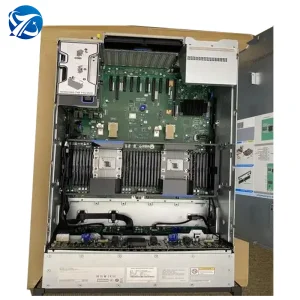
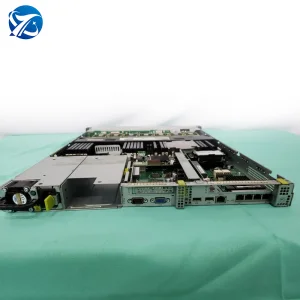
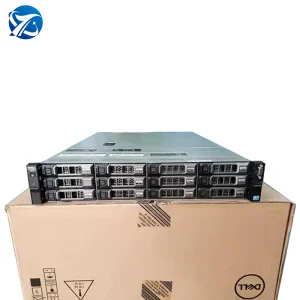
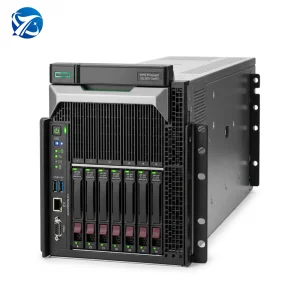
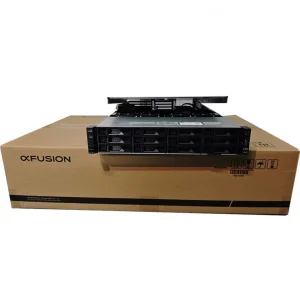
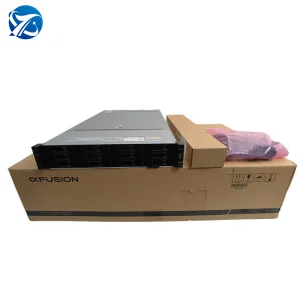
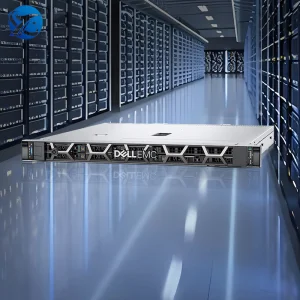
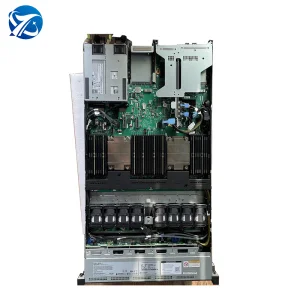
Procurement leads at cloud providers and research centers face the challenge of extending the lifecycle of existing hardware. Discarding older systems due to software compatibility limits is costly. Klyvora solves this by providing custom firmware support for multiple server generations, from Dell and HPE to xFusion, allowing companies to reuse their hardware assets.
| Infrastructure Platform | Common System Bottleneck | Custom Firmware Fix | TCO Advantage |
|---|---|---|---|
| Legacy HPE DL380 / Dell R-Series | Old UEFI versions that do not support newer high-density NVMe drives or modern security keys. | BIOS code update to expand physical address lookup ranges. | Saves system replacement costs and extends hardware life by 3-5 years. |
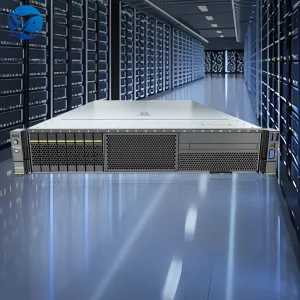
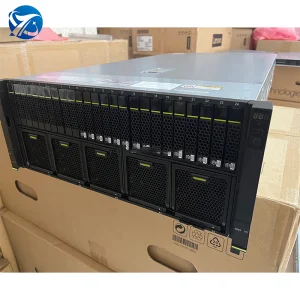
| xFusion FusionServer (V5 to V7) | Sub-optimal CPU thread allocation and memory controller latency for AI software. | NUMA routing adjustments and memory controller tuning. | 12% to 18% performance improvement without needing new processors. |
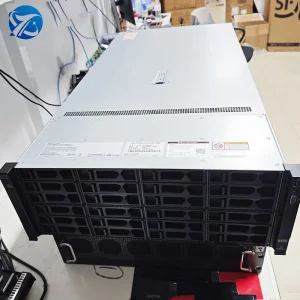
| Multi-GPU Rackmount Enclosures | Power supply mismatching and PCIe link negotiation drops. | System-wide power negotiation and link state speed stabilization. | Prevents hardware drops, reducing emergency maintenance visits. |