Klyvora
Klyvora
Klyvora
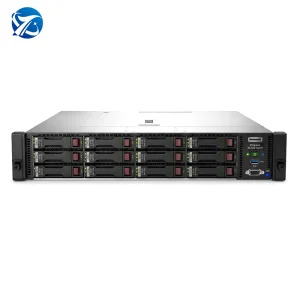
Select high-performance node controllers and high-density array server designs optimized for next-generation distributed enterprise cloud storage systems.
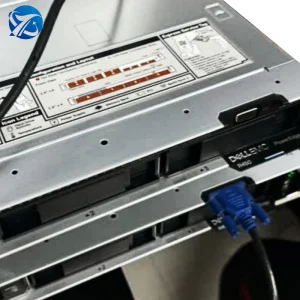
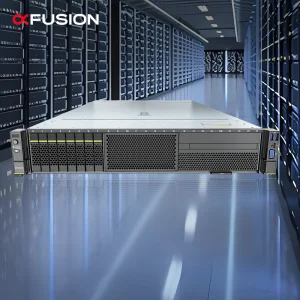
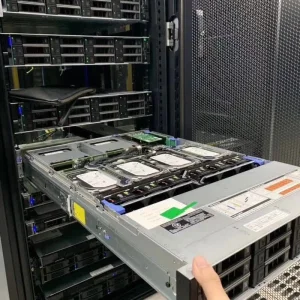
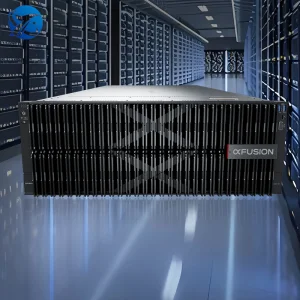
An analytical overview of technological shifts in hardware engineering, software-defined storage architectures, and supply chain strategies driving global cloud scaling.
Global cloud consumption has shifted from simple centralized object storage to complex multi-region distributed networks. Data sovereignty compliance (such as GDPR and regional directives) forces cloud service providers to build customized local points of presence (PoP). OEM partners supply tailormade, high-density computing blocks that comply with specialized structural power limits and hardware layout restrictions.
Traditional rigid hardware storage controller setups have evolved into fluid Software-Defined Storage (SDS) environments. Standardized rack configurations optimized for NVMe-over-Fabrics (NVMe-oF) allow hyper-scalers to disaggregate storage media from core processing chips. This strategy enables near-zero latency retrieval paths, crucial for AI model checkpoints and real-time database transactions.
With global data centers aiming to drop Power Usage Effectiveness (PUE) below 1.2, storage arrays must pack maximum capacity per rack unit. Modern OEM nodes integrate advanced liquid-loop cold plates alongside server design features that support EDSFF (Enterprise and Datacenter Storage Form Factor) SSD modules. These elements lower operational cooling costs and optimize airflow dynamics.
Discover how Klyvora Node Technologies Ltd. bridges the gap between high-performance computing hardware customization and global deployment needs.
Klyvora Node Technologies Ltd. is a high-performance computing infrastructure manufacturer specializing in AI GPU server systems, scalable compute clusters, and enterprise-grade data center solutions. Established in 2016, the company operates a modern production facility with a total building area of approximately 320㎡, supporting integrated R&D, assembly, testing, and quality control operations.
With an annual export revenue ranging between USD 8 million and USD 22 million, Klyvora boasts over 6 years of export experience and 11 years of accumulated industry expertise in advanced computing hardware and system integration. We serve clients across North America, Europe, the Middle East, and Southeast Asia.
Our operation collaborates with a global supply chain network of over 860 partners, enabling stable sourcing of high-grade components such as GPUs, server-grade motherboards, power systems, and advanced cooling systems. Its primary customer base includes AI research institutions, cloud service providers, enterprise data centers, and HPC solution integrators.
We maintain deep design and customization capabilities with a team of around 180 engineers focused on GPU server architecture optimization, liquid cooling innovation, and AI workload acceleration. Customization covers chassis layouts, thermal configuration, GPU density optimization, and firmware-level system tuning.
Every node, server chassis, and array layout goes through strict verification steps to ensure reliability in high-workload operations.
Simulated chamber checks that verify hot-swappable fans, chassis heat dissipation, and cooling loop optimization under peak thermal loads.
Continuous burn-in runs and clock validation to identify component weakness prior to high-volume assembly lines.
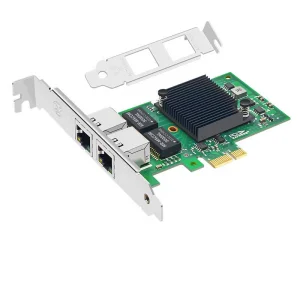
Rigorous verification of host adapters, SAS/SATA/NVMe connections, and PCI-Express data channels for data alignment.
Tailored BIOS modifications and security optimizations designed for high-availability cloud environments.
Explore how our custom designs support real-world enterprise infrastructure requirements across key global sectors.
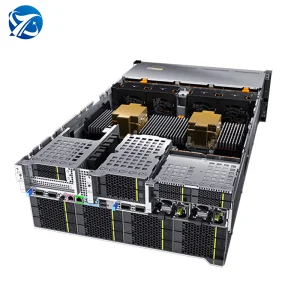
AI deployments like DeepSeek R1 require high storage speeds. During training and batch inference, systems frequently write large model checkpoints. Custom GPU nodes paired with NVMe storage backplanes deliver the fast data transfer rates needed to keep high-performance GPUs running without memory bottlenecks.
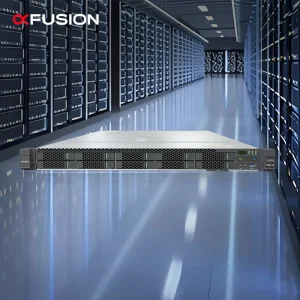
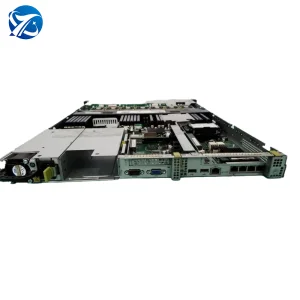
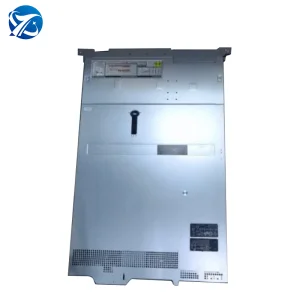
Edge locations require compact, high-efficiency servers. 1U configurations equipped with low-power processors and fast flash storage deliver rich web content, video streams, and static assets locally, cutting backhaul network costs and latency.
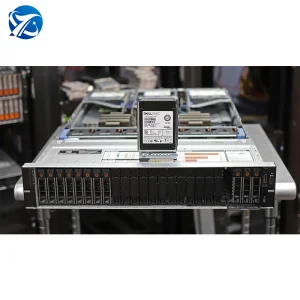
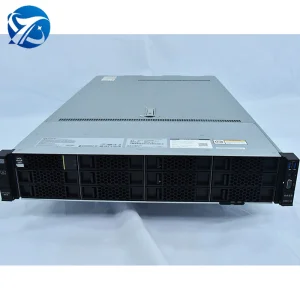
Modern offices rely on hybrid setups combining local virtual machines with cloud storage. 2U servers with flexible array cards enable stable local virtualization platforms that scale storage capacity as business needs expand.
Our planned development steps map out hardware support for high-throughput, low-latency, and efficient storage architectures.
By adopting PCIe Gen 5 configurations across our server line, we support transfer rates up to 32 GT/s per lane. Incorporating Compute Express Link (CXL) allows dynamic memory sharing between CPUs and accelerators, helping eliminate traditional system bottlenecks.
We are expanding design support for direct-to-chip water loops and immersion-ready server chassis. These thermal solutions help manage the heat generated by dense GPU clusters and high-performance NVMe arrays.
Transitioning system management to open-source OpenBMC firmware provides customers with transparent, customizable baseboard control. This reduces firmware dependencies and simplifies server management across large deployments.
Review our baseline configuration options designed to support diverse enterprise computing and storage deployments.
| Server Form Factor | Target CPU Archetype | Primary Drive Options | Workload Application |
|---|---|---|---|
| 1U High-Density Node | Dual Intel Xeon Scalable Gen 4/5 | Up to 8-12x 2.5" NVMe / SATA | Edge compute caches, hyperconverged storage base |
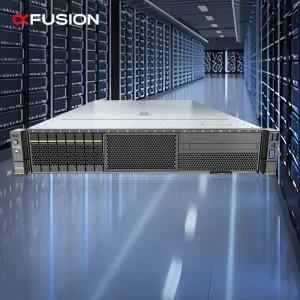
| 2U Multi-Purpose Server | Dual AMD EPYC 9004 or Intel Xeon | Up to 24x U.2/U.3 NVMe Drives | Virtualization hubs, local enterprise database clusters |
| 4U/8U AI GPU Cluster Node | Dual High-Core Xeon / AMD EPYC | 8x NVMe Direct-Attached Storage | Deep learning model training, AI inference caches |
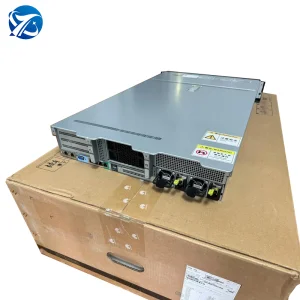
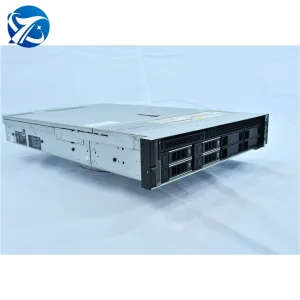
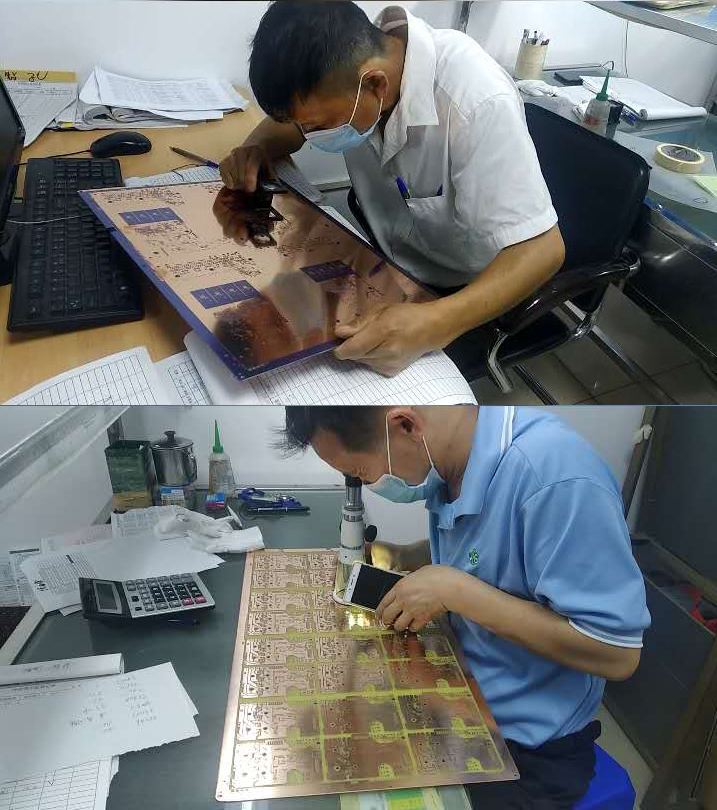
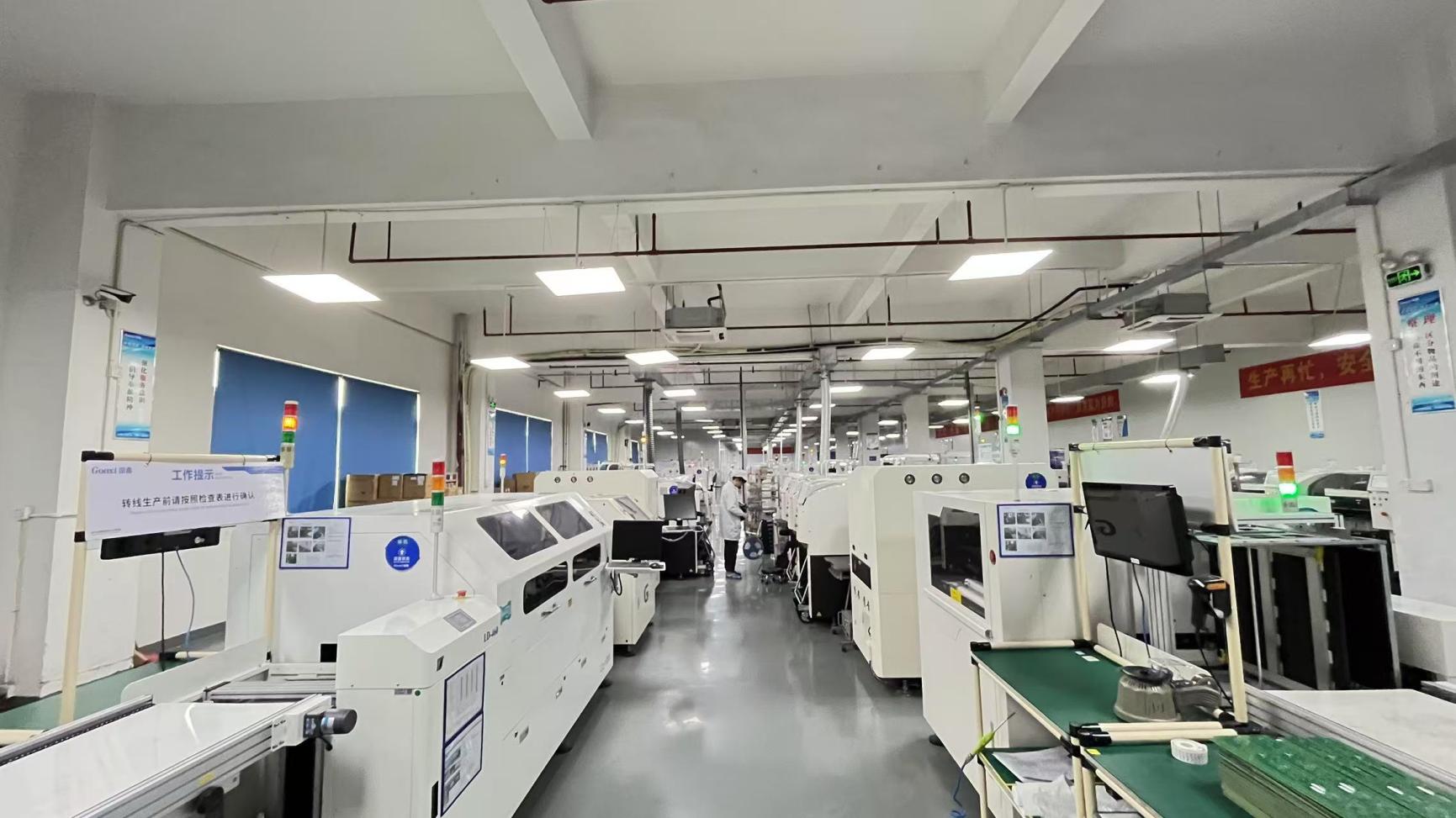
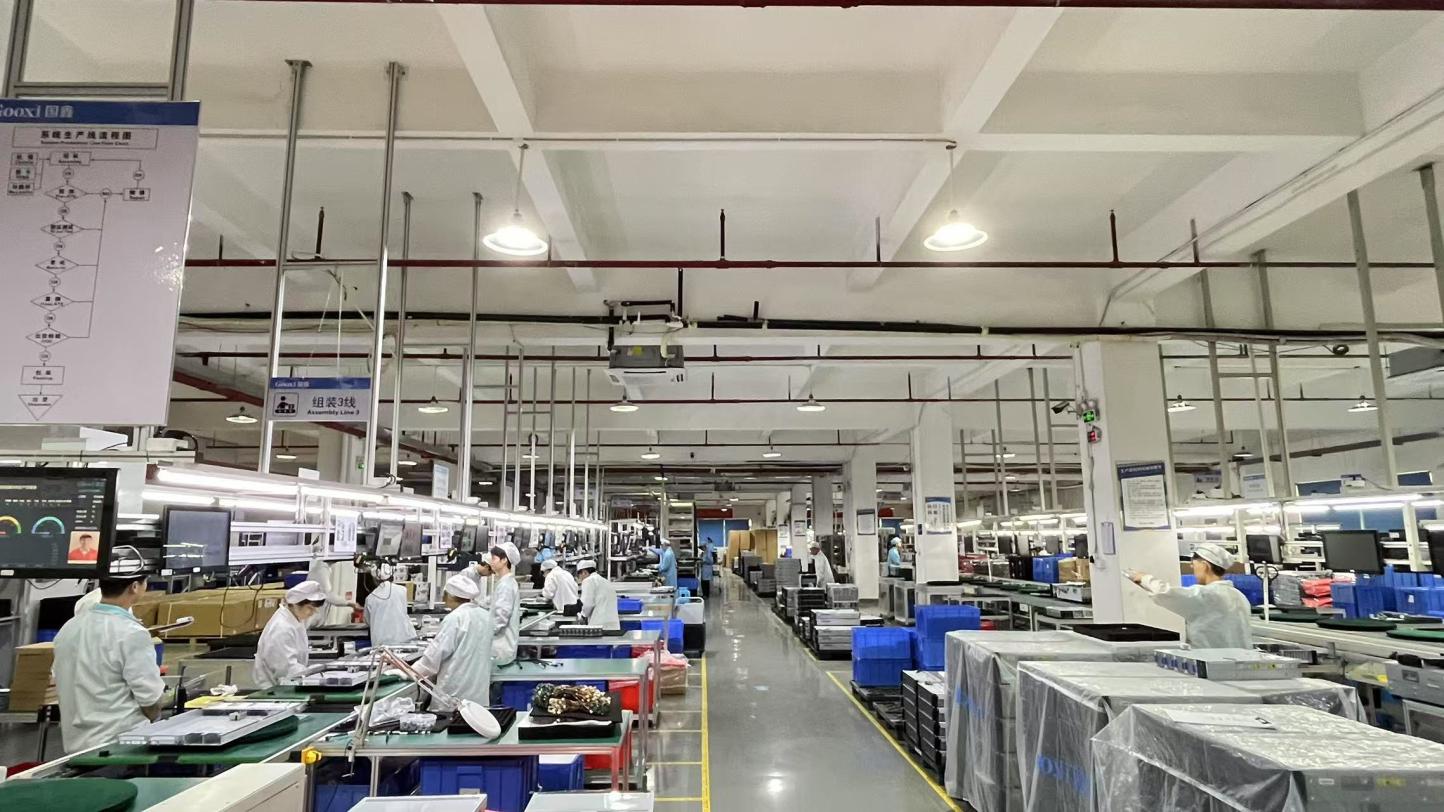
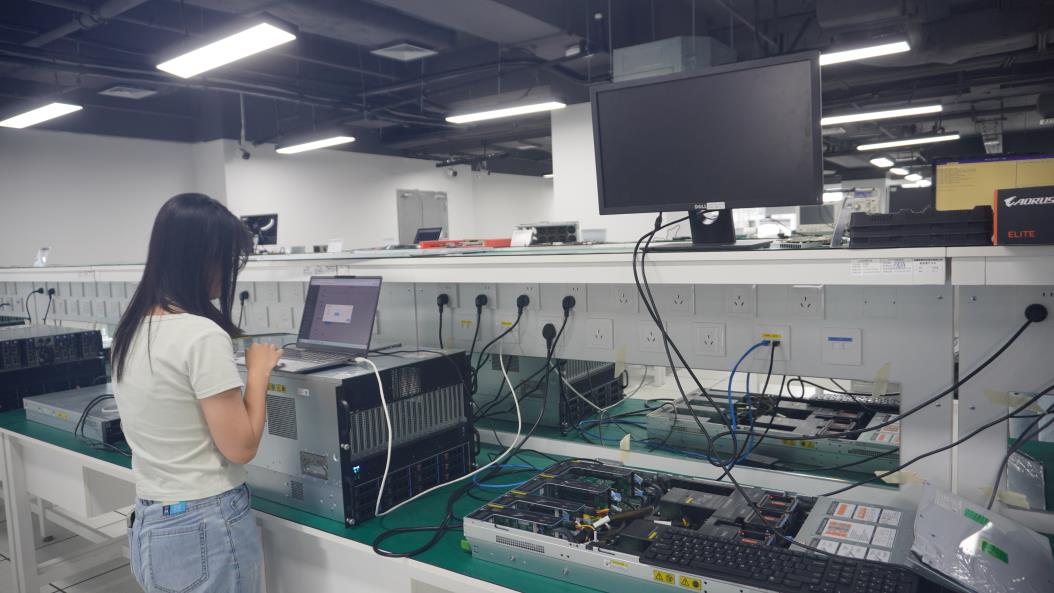
A view inside our validation labs and assembly lines, where high-performance hardware solutions are integrated and verified.
Common questions regarding architectural options, quality control, and deployment customization.
Discover additional customizable hardware options, featuring multi-socket architectures, high-density layouts, and hybrid cloud node configurations.