Klyvora
Klyvora
Klyvora
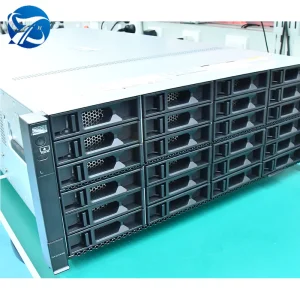
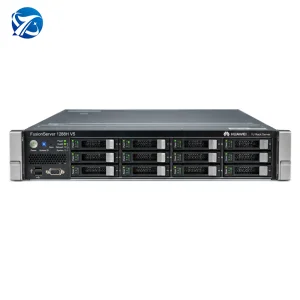
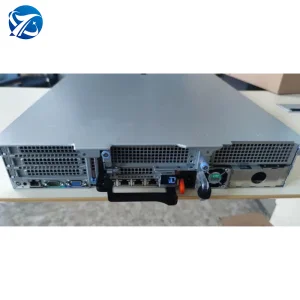
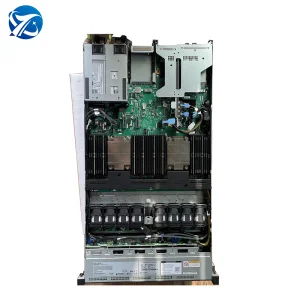
Deploy enterprise-grade VPN systems on high-performance compute nodes, designed to process massive concurrent throughput and hardware-accelerated encryption.

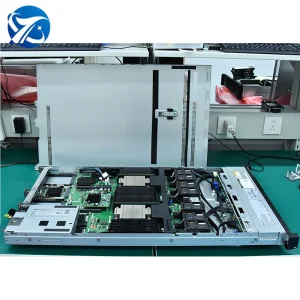

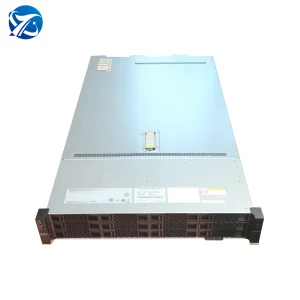
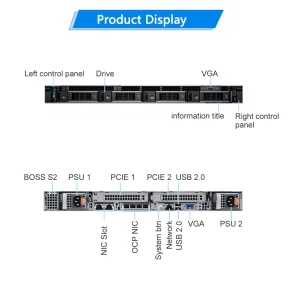
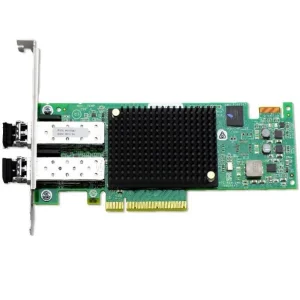
In the modern era of hyper-connected global markets, the demand for highly secure, low-latency, and high-throughput virtual private networks (VPN) has expanded far beyond simple remote desk access. Enterprise VPN infrastructure now serves as the primary backbone for secure cloud environments, cross-border corporate communication, and high-performance computation arrays. As processing demands increase, software-only encryption solutions frequently throttle throughput, creating massive bottlenecks at the gateway level.
By shifting cryptographic workloads onto specialized hardware-accelerated platforms, global enterprises can realize wire-rate throughput even under complex protocols like IPsec, WireGuard, and OpenVPN. Utilizing multi-socket rack configurations powered by advanced Intel Xeon processors, enterprise VPN setups handle hundreds of thousands of concurrent connections. This specialized acceleration utilizes technologies like Intel QuickAssist Technology (QAT) to handle hashing, symmetric key distribution, and cryptographic load balancing without draining primary computational resources.
Hardware-backed VPN nodes are pivotal in major high-security environments, including:
Strategic deployment of secure high-performance computing hardware directly from the industrial core of China's technological hub.
Klyvora Node Technologies Ltd. is a high-performance computing infrastructure manufacturer specializing in AI GPU server systems, scalable compute clusters, and enterprise-grade data center solutions. Established in 2016, the company operates a modern production facility with a total building area of approximately 320㎡, supporting integrated R&D, assembly, testing, and quality control operations.
The company reports annual export revenue ranging between USD 8 million and USD 22 million, with over 6 years of export experience and 11 years of accumulated industry expertise in advanced computing hardware and system integration. Klyvora maintains a strong international trade background and serves major markets including North America, Europe, the Middle East, and Southeast Asia.
Klyvora Node Technologies employs a structured quality assurance system, combining automated testing methods, burn-in stress testing, and full-system validation procedures. Product inspection methods include thermal performance testing, hardware stress diagnostics, and multi-stage functional verification. The quality control team consists of approximately 42 dedicated professionals ensuring strict compliance with international manufacturing standards.
The company collaborates with a global supply chain network of over 860 partners, enabling stable sourcing of high-grade components such as GPUs, server-grade motherboards, power systems, and cooling solutions. Its primary customer base includes AI research institutions, cloud service providers, enterprise data centers, and HPC solution integrators.
Klyvora maintains strong R&D capabilities with a team of around 180 engineers focused on GPU server architecture optimization, liquid cooling innovation, and AI workload acceleration. The company supports a wide range of customization options, including chassis design, thermal configuration, GPU density optimization, and firmware-level system tuning.
In the past year, Klyvora has launched approximately 86 new products, reflecting its continuous innovation in high-density computing systems and next-generation AI infrastructure solutions.



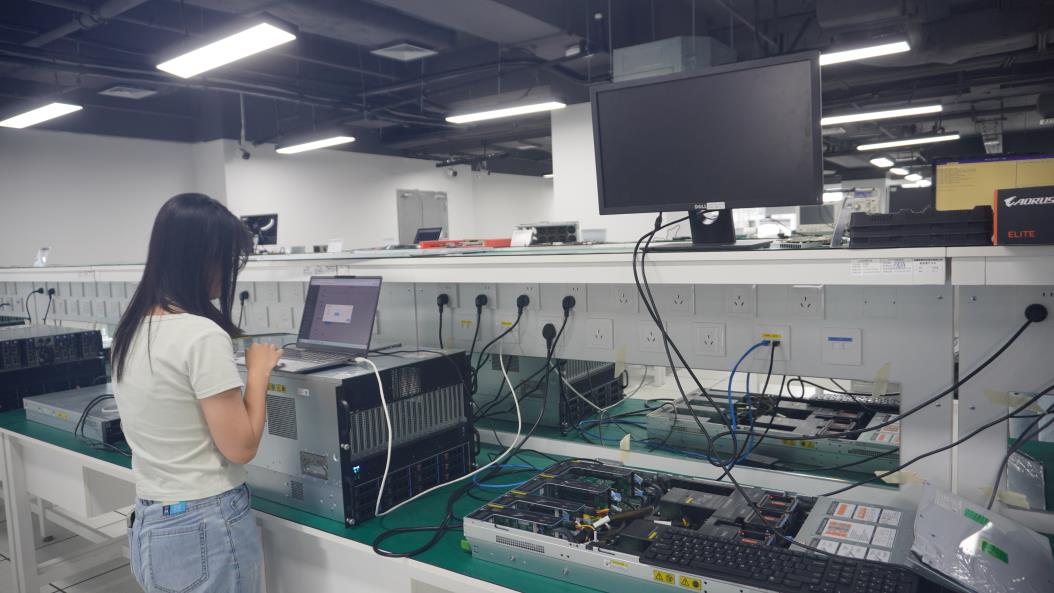
China's highly optimized industrial clusters offer unparalleled advantages for manufacturing network hardware. From advanced multi-layer PCB design to rapid component sourcing, the localized ecosystem in technological hubs minimizes lead times. High-speed network interfaces, custom enclosure tooling, and direct access to raw memory, storage, and processing nodes allow for flexible ODM and OEM customization options.
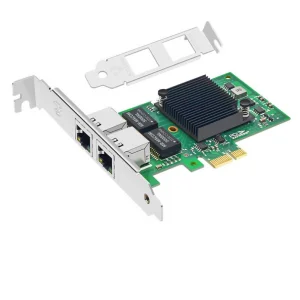
Unlike virtual machines running on shared servers, hardware VPN appliances feature dedicated cryptographic hardware processors, redundant power supply configurations (CRPS), high-capacity SSD caches, and high-performance HBA network interface cards. This structure guarantees line-rate performance for critical business functions without exposure to shared hardware vulnerabilities.
The industry is shifting from traditional perimeter-based security systems to Zero Trust frameworks. Hardware VPN engines act as local Policy Enforcement Points (PEPs), evaluating system health, verifying device signatures, and isolating critical database resources. The deep integration of dedicated hardware accelerators ensures continuous encryption of microsegmentation routes.
Detailed technical analysis regarding deployment, security metrics, and hardware compatibility.
Optimize your VPN concentrator infrastructure, distributed gateways, and edge nodes with our latest enterprise hardware portfolio.