Klyvora
Klyvora
Klyvora
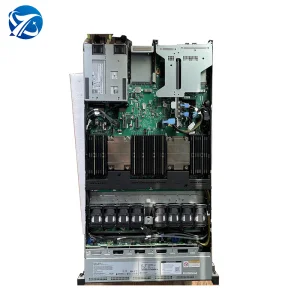
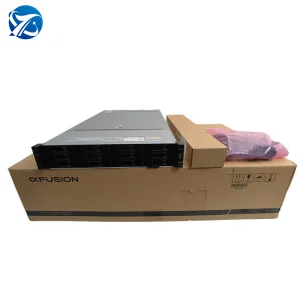
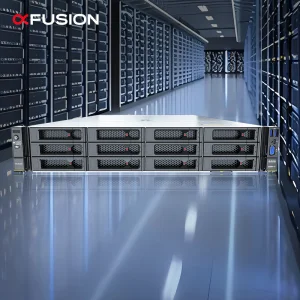
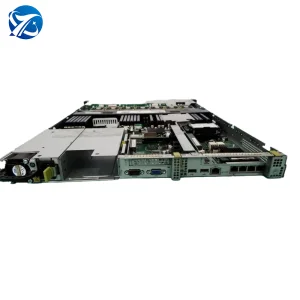
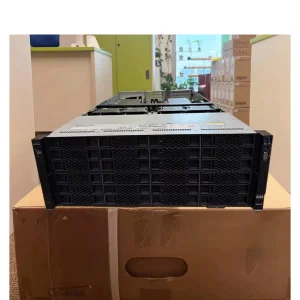
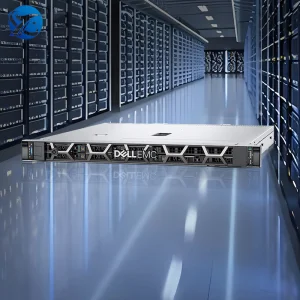
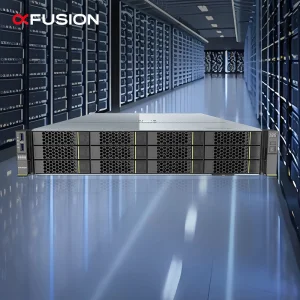
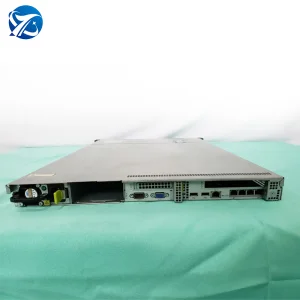
Explore our premium lineup of high-performance servers and enterprise network components, engineered to support extreme compute architectures and sophisticated AI workloads.
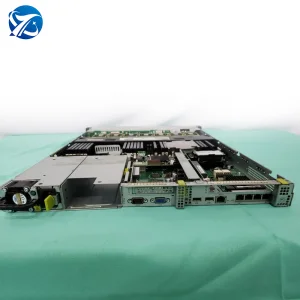
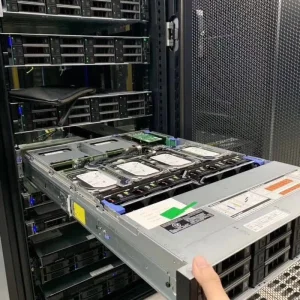
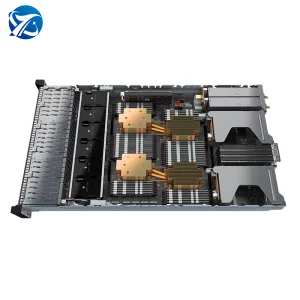
As the global computation demand escalates under the impetus of generative artificial intelligence (AI), machine learning models, and high-performance computing (HPC), traditional air cooling systems are reaching their physical limitations. Standard data center thermal architectures designed for racks averaging 10kW to 15kW are completely inadequate for next-generation platforms.
Modern processing nodes, specifically high-density graphics processing units (GPUs) and application-specific integrated circuits (ASICs) optimized for heavy computations, exhibit Thermal Design Power (TDP) metrics exceeding 700W per chip, with future iterations projected to reach 1000W+. The thermodynamic challenge is clear: traditional convective heat transfer utilizing ambient air cannot dissipate high heat flux densities without excessive energy consumption. This shift has accelerated the global adoption of direct-to-chip liquid cooling and immersion cooling configurations.
Silicon power consumption is growing exponentially. Air-cooled systems require extremely noisy, high-power fans, driving server parasitics upward. Liquid cooling reduces parasitic fan consumption by up to 90%.
Industrial server cooling setups from China enable hyperscalers to achieve PUE values approaching 1.10. This significantly lowers operational expenses (OPEX) and reduces carbon footprints.
An in-depth look at current mechanical engineering practices, highlighting the operational dynamics of thermal mitigation methodologies deployed in enterprise data centers.
Utilizes copper microchannel cold plates directly mounted on processing dies (CPUs/GPUs). A dielectric or water-glycol solution absorbs heat directly, using high thermal conductivity interfaces to optimize heat transfer efficiency.
Servers are completely submerged in a specially formulated dielectric fluid. In single-phase setups, fluid is pumped through an external heat exchanger. In two-phase systems, fluid boils, vaporizes, condenses on a cold surface, and drips back down.
Replaces the standard back door of server racks with a closed-loop liquid-filled radiator. Fans push hot air over the radiator coils, cooling the air before it exits back into the data center room.
| Cooling Technology | Typical Heat Density Support | Target PUE Metrics | Primary Fluid Medium | Ideal Application Scenarios |
|---|---|---|---|---|
| Advanced Air Cooling | Up to 15 kW / Rack | 1.35 - 1.60 | Ambient air (filtered & chilled) | Legacy Enterprise Datacenters, Low-density NAS Storage |
| Rear Door Heat Exchanger | 15 kW - 45 kW / Rack | 1.20 - 1.30 | Chilled Water / Water-Glycol | Hybrid AI training clusters, High-density CPU deployments |
| Direct-to-Chip (DLC) | 40 kW - 100+ kW / Rack | 1.12 - 1.18 | Water-Glycol / PG25 / Dielectric fluids | Supercomputers, Multi-node GPU nodes, Deepseek AI workloads |
| Immersion Cooling | 100 kW - 200+ kW / Rack | 1.02 - 1.08 | Engineered dielectric fluorochemicals / Synthetic oils | Extreme density HPC clusters, Hyperscaler Core Cloud infrastructures |
Different computational deployments present unique heat profiles. Our systems are engineered to address specific technical requirements across different fields.
For cloud providers managing tens of thousands of computing cores, minimizing operational costs is critical. Direct-to-Chip systems combined with external dry coolers allow for natural free cooling in cold climates, virtually eliminating the need for energy-intensive chillers.
Generative models like Deepseek require highly dense clusters of GPUs, which generate substantial heat. Our high-conductivity copper cold plates are custom-fit for GPU boards, managing intense heat fluxes during prolonged training runs.
Edge nodes deployed in industrial plants or remote sites face harsh conditions, like dust or humidity, and often lack climate control. Sealed immersion tanks isolate the sensitive electronics from the environment, ensuring reliable cooling in any location.
A premier high-performance computing infrastructure manufacturer, specializing in AI GPU server systems, scalable compute clusters, and enterprise-grade data center solutions since 2016.
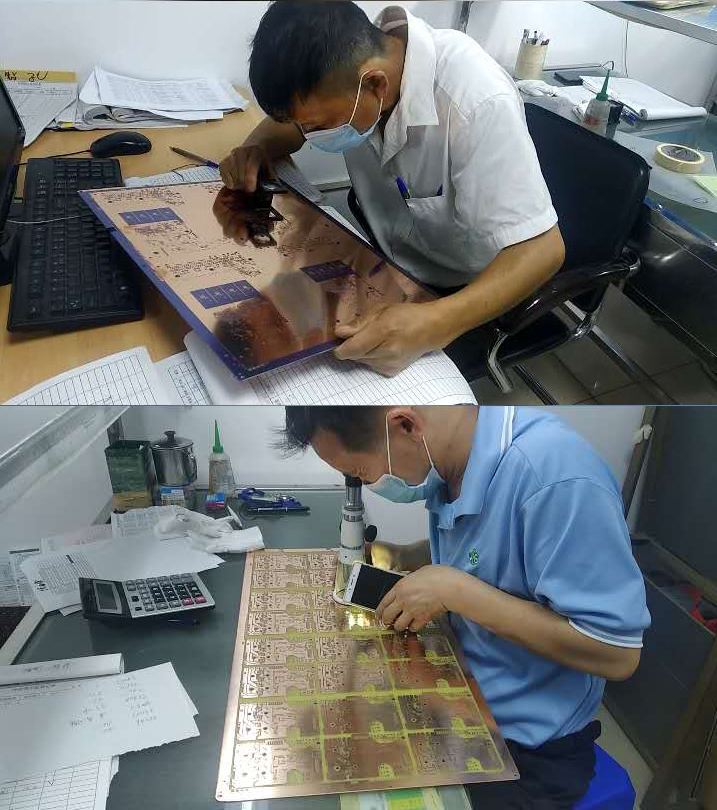
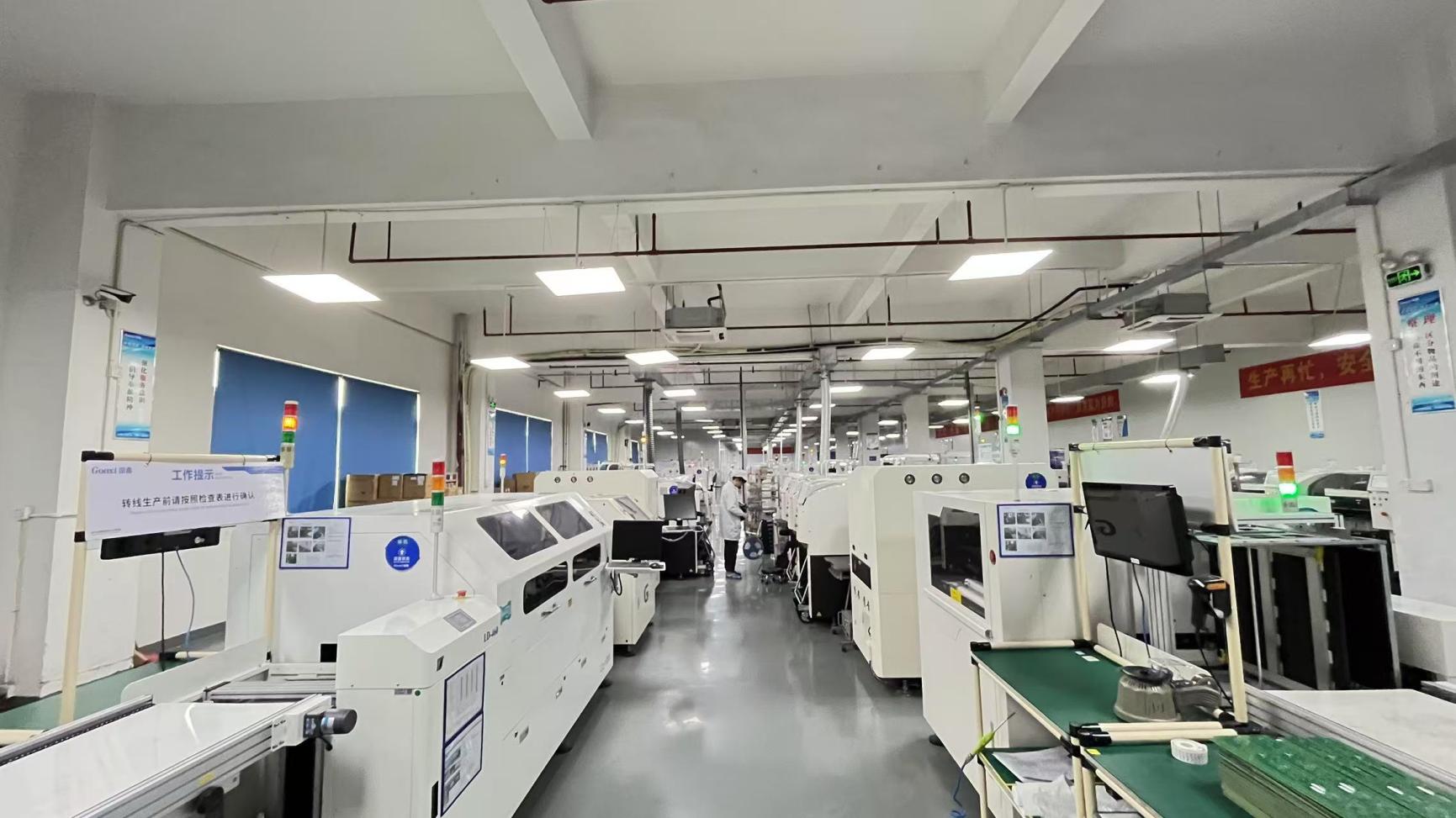
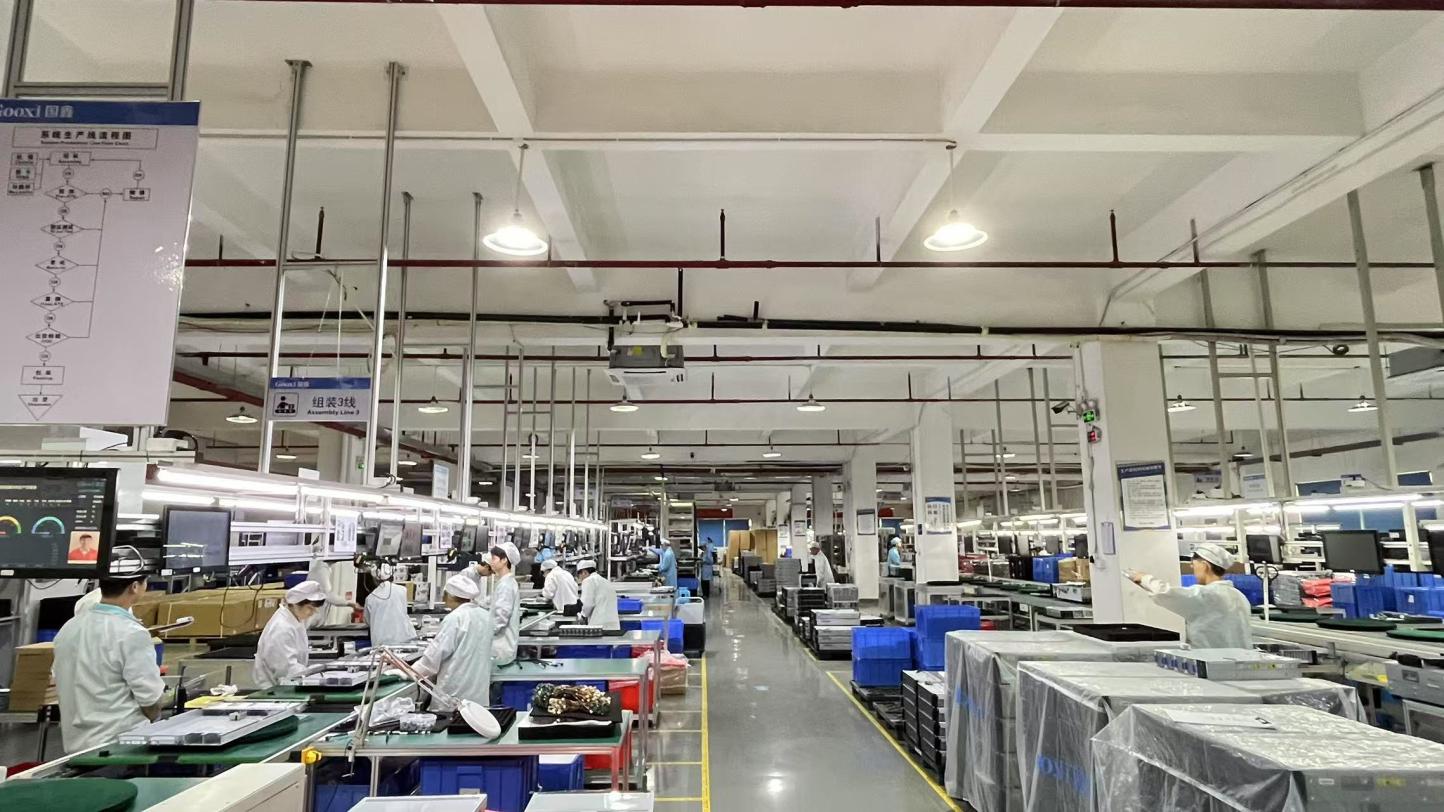
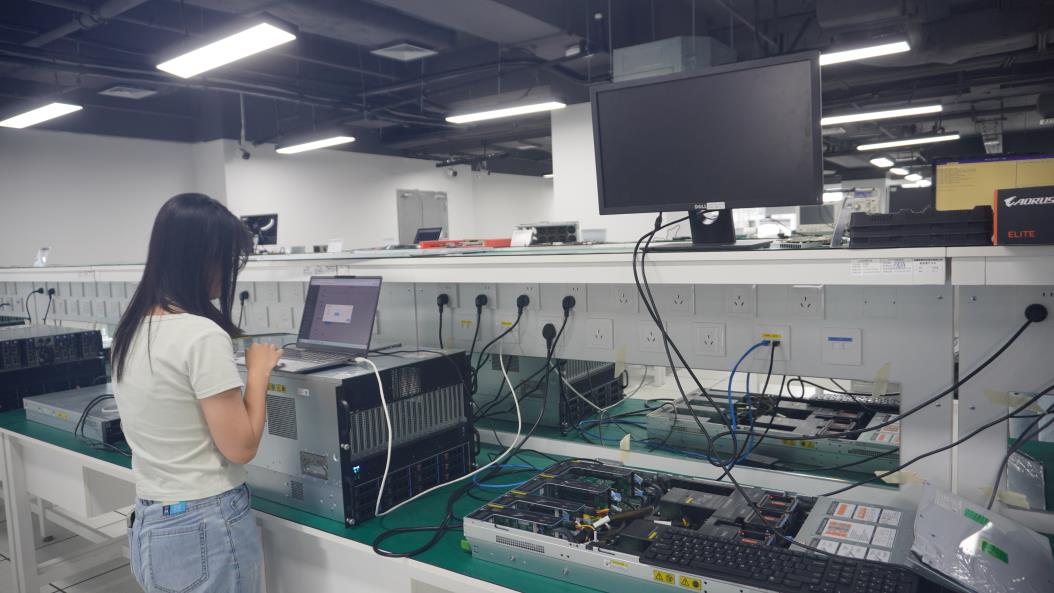
Operating a modern production facility designed for integrated R&D, assembly, testing, and quality control. Backed by 11 years of advanced computing hardware expertise, Klyvora provides global markets with reliable, high-performance systems.
Klyvora maintains an annual export revenue between USD 8 million and USD 22 million. We serve major markets in North America, Europe, the Middle East, and Southeast Asia.
Global environmental regulations are driving operators to prioritize resource stewardship. Liquid cooling is a key tool for meeting these strict new targets.
Traditional evaporative cooling towers consume millions of gallons of water daily. Liquid-to-liquid closed-loop systems and dry coolers drastically reduce water consumption, helping operators meet regional environmental requirements.
Unlike low-grade heat from air systems, liquid-cooled setups can export hot water (typically 50°C to 60°C) directly to municipal district heating grids or nearby industrial facilities, offsetting carbon footprints.
By transitioning key IT workloads to liquid cooling, operators can lower total data center power consumption by 15% to 25%. This reduction helps companies meet global carbon neutrality goals, positioning green architectures as a practical necessity.
Expert answers addressing the design, reliability, and deployment of advanced cooling solutions.
A: DLC cooling is easier to integrate into existing data centers because it uses standard 19-inch racks. It targets hot chips (CPUs/GPUs) directly while leaving memory and power supplies to be cooled by minimal air. Immersion cooling requires specialized horizontal tanks and makes maintenance more complex, though it provides superior thermal efficiency.
A: We use high-grade EPDM hoses, leak-proof blind-mate quick connectors, and helium leak testing during manufacturing. Redundant flow meters and moisture sensors alert management systems to shut down flow valves immediately if any drop in pressure is detected.
A: Yes, many standard servers can be retrofitted using custom copper cold plate kits. The original aluminum heat sinks are replaced with these water blocks, and internal tubing is routed to quick-connect bulkheads on the server chassis.
A: Dielectric fluids are non-conductive and have high dielectric strength, allowing them to make direct contact with powered server electronics without causing short circuits. They possess high thermal capacity and chemical stability, ensuring they do not degrade server components over time.
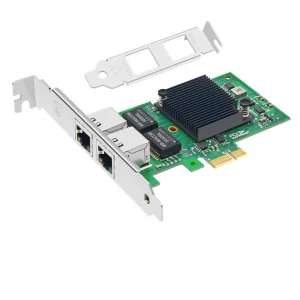
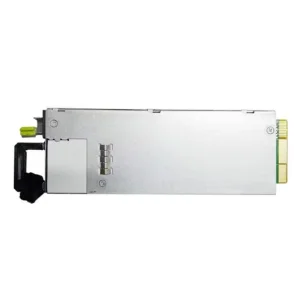
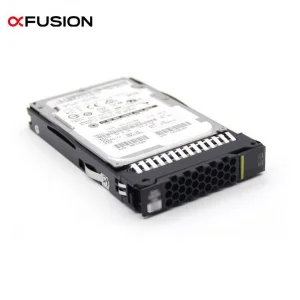
Complete your server deployment with our high-grade hardware, including array controllers, high-efficiency power supplies, and storage systems.