Klyvora
Klyvora
Klyvora
In the era of large language models, heterogeneous database processing, and AI workload scaling (such as DeepSeek 671B networks and massive AI GPU clusters), traditional fixed-architecture rack systems are rapidly hitting their limits. Modern data center managers demand extreme agility, thermal flexibility, and granular maintenance. China's leading wholesale modular server systems factories are at the forefront of this structural evolution, designing platforms where compute nodes, acceleration expansion trays, and storage blocks can be hot-swapped independently.
By decoupling the power distribution unit (PDU), fans, and management backplanes from the processing units, operators can reduce CapEx by up to 35% and drastically cut TCO. Scalable modular design ensures that as next-generation hardware architectures arrive, organizations only upgrade components that require replacement, extending the lifecycle of rack infrastructure.
Explore our tier-1 enterprise compute catalog, engineered for GPU offloading, hyperscale virtualization, and high-density datacenter efficiency.
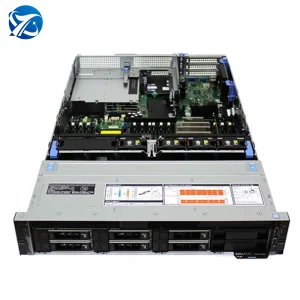
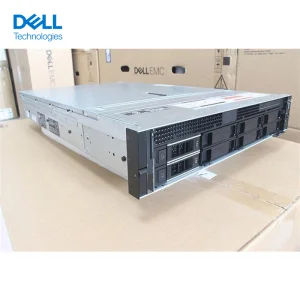


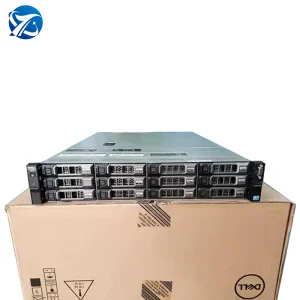
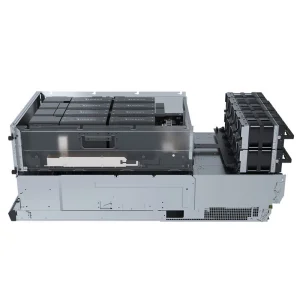
Key drivers shifting data center hardware toward disaggregated, high-performance modular topologies.
Global cloud providers are packing up to 100kW per rack. Modern modular servers allow decoupling of components, optimizing localized thermal performance and power conversion efficiencies at the chassis level.
With DeepSeek, Llama, and proprietary enterprise architectures driving processing demand, hardware requires direct-to-die liquid cooling circuits and quick-disconnect manifolds integrated within the node design.
Wholesale hardware systems must pass rigorous electrical, mechanical, and safety certifications (CE, FCC, RoHS) while adhering to strict structural specifications defined by OCP (Open Compute Project) initiatives.
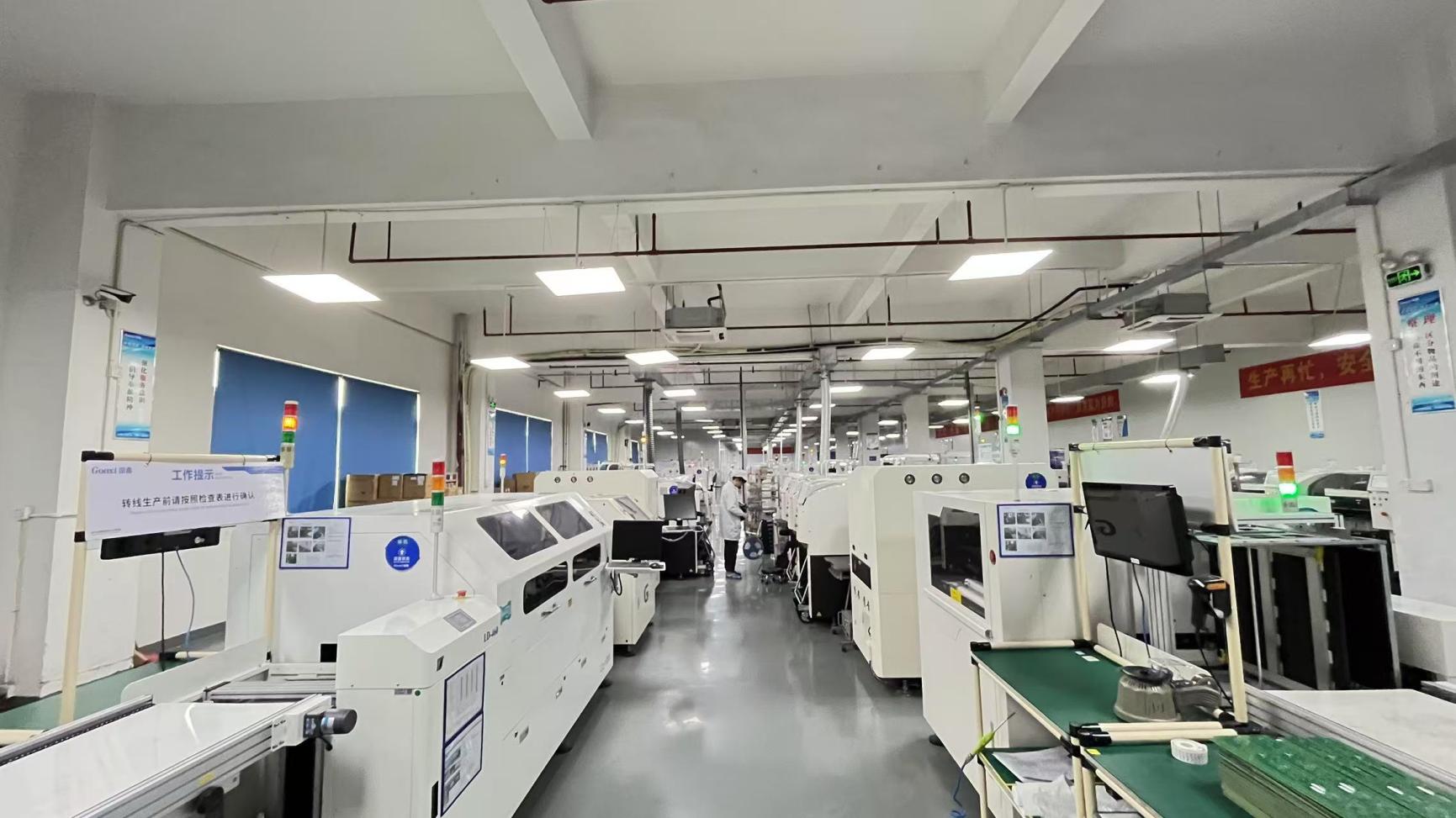
At a macro scale, the hyperscale computing industry is expanding rapidly. Regional mandates require dramatic cuts to carbon output, prompting data centers to target a Power Usage Effectiveness (PUE) below 1.2. The use of custom modular architectures enables target cooling deployments, applying power only where compute chips generate thermal loads. Furthermore, local manufacturing ecosystems in China provide robust design pipelines, raw materials access, and high-precision SMD capabilities to produce complex multi-layer motherboards at scale.
The technological innovations steering modular hardware through the end of the decade.
As memory bottlenecks pose challenges for large language model (LLM) training, Compute Express Link (CXL) technology is set to transform the node fabric. The upcoming technical roadmap prioritizes disaggregated pool-memory architectures, allowing multiple GPU-accelerated blades to access shared memory pools with single-digit nanosecond latencies. This mitigates the memory-bound overheads seen in traditional dual-socket servers.
Standard air-cooling configurations are no longer sufficient to dissipate heat from newer high-power chips. Modern modular servers integrate direct-to-die (cold plate) liquid loop circuits designed for high heat density.
Established in 2016, Klyvora Node Technologies Ltd. is a high-performance computing infrastructure manufacturer specializing in AI GPU server systems, scalable compute clusters, and enterprise-grade data center solutions. Operating a modern production facility with a total building area of approximately 320㎡, the company supports integrated R&D, assembly, testing, and quality control operations.
With over 6 years of export experience and 11 years of accumulated industry expertise in advanced computing hardware and system integration, Klyvora reports annual export revenue ranging between USD 8 million and USD 22 million. The company maintains a strong international trade background, serving major markets including North America, Europe, the Middle East, and Southeast Asia.
Klyvora maintains strong R&D capabilities with a team of around 180 engineers focused on GPU server architecture optimization, liquid cooling innovation, and AI workload acceleration. The company supports a wide range of customization options, including chassis design, thermal configuration, GPU density optimization, and firmware-level system tuning. In the past year, Klyvora has launched approximately 86 new products, reflecting its continuous innovation in high-density computing systems.
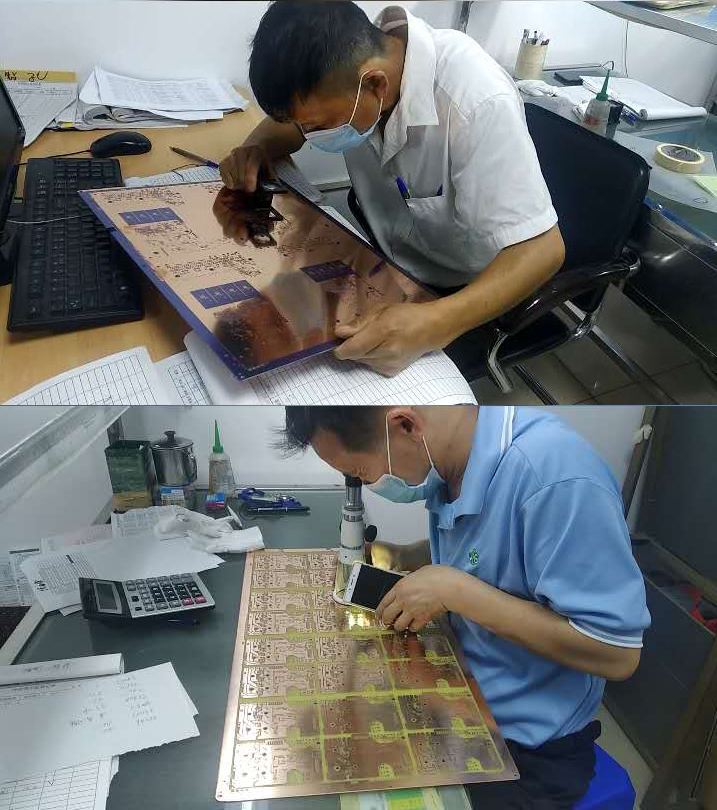
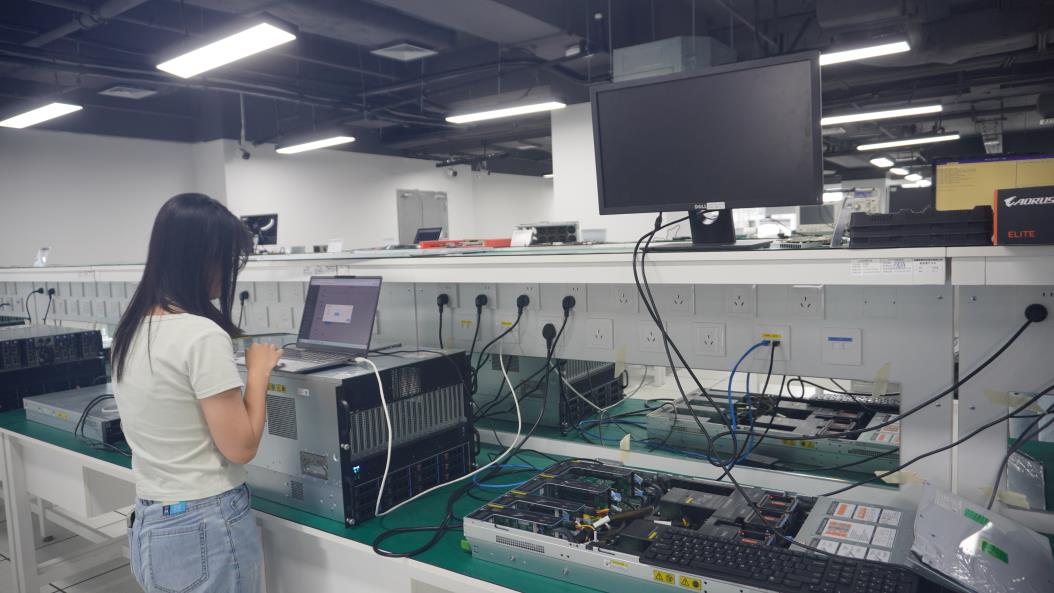
The company employs a structured quality assurance system, combining automated testing methods, burn-in stress testing, and full-system validation procedures. Product inspection methods include thermal performance testing, hardware stress diagnostics, and multi-stage functional verification. The quality control team consists of approximately 42 dedicated professionals ensuring strict compliance with international manufacturing standards.
By collaborating with a global supply chain network of over 860 partners, Klyvora ensures stable sourcing of high-grade components such as GPUs, server-grade motherboards, power systems, and cooling solutions. Its primary customer base includes AI research institutions, cloud service providers, enterprise data centers, and HPC solution integrators.

How modular systems deploy across key high-compute verticals to solve scaling limitations.
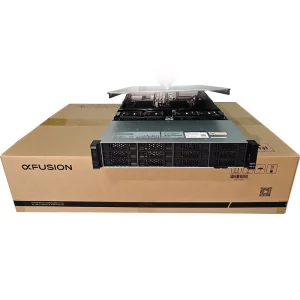
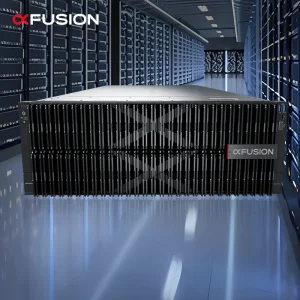
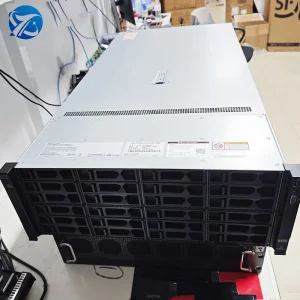
By pairing high-density 8U server nodes (like the FusionServer G8600 V7) with NVLink fabric switches, enterprises can scale massive GPU configurations with minimal latency. High-efficiency internal bus routing handles the heavy communication loads required during gradient synchronization phases.
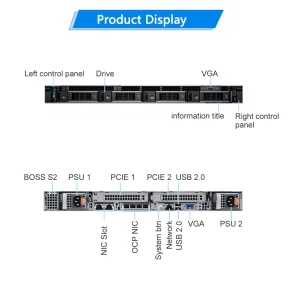
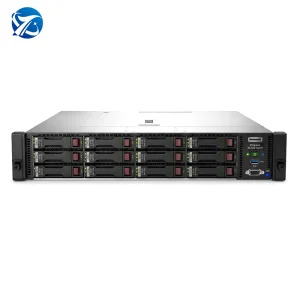
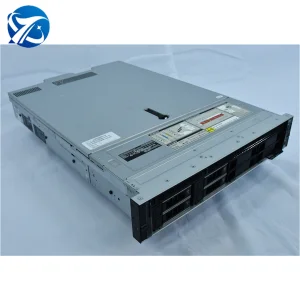
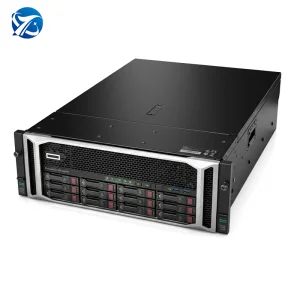
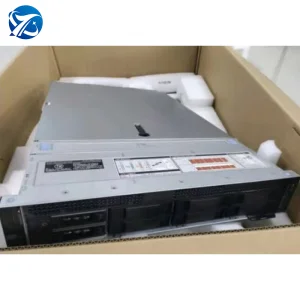
Cloud service providers can deploy high-density compute blades (such as the HPE DL360 Gen12 or PowerEdge R670) to run virtualized cloud instances. Underutilized processing resources can be powered down dynamically, lowering power consumption during off-peak hours.
Shorter-chassis configurations (such as the xFusion 2488H V7) fit into edge equipment closets. These systems enable real-time compute workloads for automated assembly operations, local surveillance processing, and smart grid optimization.
Expert answers addressing common hardware concerns, modular design advantages, and global supply configurations.
Modular server systems separate compute, storage, power, and cooling into distinct, hot-swappable sub-assemblies. This disaggregation allows operators to upgrade individual processing nodes (CPUs/GPUs) while retaining the existing cooling loops, power supplies, and structural frames. Consequently, this design reduces upgrading costs and minimizes downtime, while helping to lower data center PUE.
Our quality control and engineering teams conduct comprehensive thermal performance testing. Using multi-stage hardware stress diagnostics, we map internal hot zones at full system load. Additionally, we offer custom direct-to-die liquid cooling options, dry cooler integrations, and automatic fan curve adjustments at the firmware level.
Yes. With a dedicated team of 180 engineers, Klyvora provides comprehensive OEM/ODM customization. This includes custom metal chassis configurations, proprietary rack layouts, specialized PCI slot orientations, and firmware-level modifications such as custom fan control curves and system security profiles.
Our configurations leverage modern OCP NIC 3.0 adapters and low-latency PCIe switches. This enables high-speed interconnect speeds up to 400GbE per lane, supporting the continuous high-throughput communication required for clustering, SAN file transfers, and remote direct memory access (RDMA).
High-performance network switches, storage components, and enterprise servers designed for scalable high-density deployments.