Klyvora
Klyvora
Klyvora
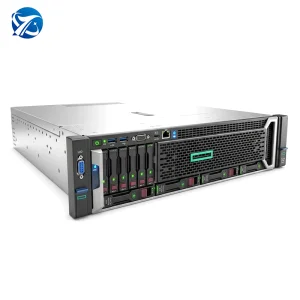
The computational demands of the modern enterprise have moved beyond general-purpose CPU architectures. With the rise of Large Language Models (LLMs) like DeepSeek R1, GPT-4 variants, and heterogeneous artificial intelligence pipelines, the global compute market faces structural constraints in silicon availability, interconnect bandwidth, and thermal dissipation. Modern AI models require a synchronized platform combining high-bandwidth DDR5 memory subsystems, low-latency PCIe Gen 5 expansion busses, and specialized GPU processing modules designed to work at sustained peak workloads without performance degradation.
China’s advanced computing manufacturers have positioned themselves at the epicenter of this hardware evolution. Utilizing deep integrations with critical subcomponent supply chains—ranging from multi-layered PCBs and highly efficient Power Supply Units (PSUs) to specialized server-grade SSD storage arrays—factories in leading industrial zones are delivering computing servers engineered to handle massive tensor operations. Through careful optimizations of the hardware-software stack, these server solutions resolve major deployment issues like GPU thermal throttling and memory-bound latency during massive inference runs.
Designing multi-GPU environments optimized for neural network partitioning, minimizing inter-node latency via high-performance network fabric topologies.
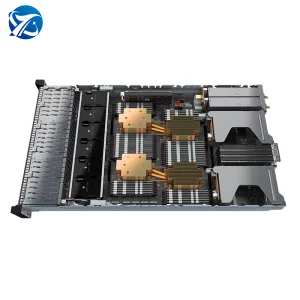
Integrating advanced liquid cooling loops, direct-to-chip heat exchangers, and high-CFM airflow configurations to support intensive continuous computing.
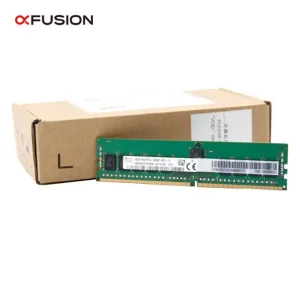
Deploying DDR5 Error-Correcting Code (ECC) memories to systematically prevent single-bit errors from corrupting massive machine learning runs.
Klyvora Node Technologies Ltd. is a specialized high-performance computing infrastructure manufacturer. Since our founding in 2016, we have focused on the technical design, engineering, assembly, and quality validation of AI GPU server systems, scalable compute clusters, and enterprise-grade data center infrastructure. Our central facility is optimized for R&D prototyping, custom configurations, and thorough quality inspection protocols.
Operating with an annual export revenue of USD 8 million to USD 22 million, Klyvora draws upon over six years of direct export operations and eleven years of hardware engineering history. Our international footprint extends to enterprise clients and scientific research centers across North America, Europe, the Middle East, and Southeast Asia. To ensure hardware reliability under stressful workloads, we maintain a staff of 42 quality assurance professionals who execute multi-phase diagnostic procedures.
A key factor behind Klyvora's technical capabilities is our global supply network of more than 860 partners. This procurement network guarantees access to critical system parts including tier-one server motherboards, next-generation DDR5 ECC modules, solid-state storage arrays, high-efficiency power systems, and advanced cooling mechanisms. Our team of 180 engineers remains dedicated to refining server layout, customizing firmware, and designing rack systems that match our clients' specific workload challenges.
Modern AI models demand high throughput across all system buses. Transitioning to PCIe Gen 5 architectures doubles the interface data rate to 32 GT/s per lane, permitting high-density GPU topologies to communicate with system memory and storage devices at unprecedented rates. Additionally, the configuration of the memory subsystem—including the use of high-frequency DDR5 RDIMM modules running at speeds up to 6400 MT/s—plays a crucial role in removing memory bottlenecks during large-scale model inference.
| Feature Category | Technical Specification Details | Performance Value Proposition |
|---|---|---|
| GPU Form Factor | Multi-GPU Support (PCIe Gen 5 / OAM architectures) | Enables high-density computational scaling for complex neural network structures. |
| Memory Architecture | DDR5 RDIMM ECC up to 6400 MT/s, 1.1V, multi-channel configurations | Reduces memory-access latency while keeping power requirements low. |
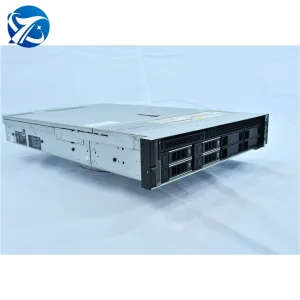
| Storage Interface | High-throughput PCIe NVMe SSDs & SATA Read-Intensive PM893 Series | Ensures fast data ingestion rates, matching high-speed processor requirements. |
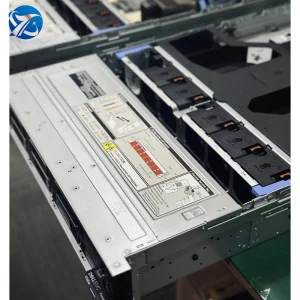
| Thermal Solutions | Direct-to-Chip Liquid Cooling & 2U/4U Optimized Air Ducts | Maintains stable operating temperatures, preventing thermal throttling. |
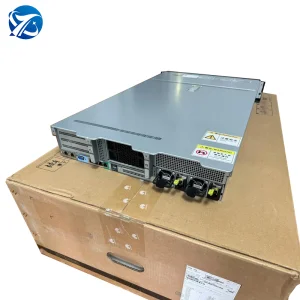
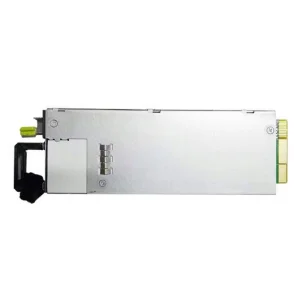
| Power Management | Dual-redundant HVDC 1500W+ high-efficiency power modules | Ensures power delivery redundancy, preventing system shutdowns during heavy loads. |
As international trade policies and technological import-export controls change, companies deploying AI infrastructure must address complex compliance issues. Operating global computing frameworks requires building configurations that meet regional export control laws, electromagnetic compatibility requirements (such as CE, FCC, and CCC certifications), and safety standards. Klyvora Node Technologies works closely with hardware providers to ensure that all server builds comply with target market import regulations.
Our customization services focus heavily on localized hardware configurations. For example, for markets with limited access to high-performance Western GPUs, Klyvora designs servers optimized for regional alternative AI chips. We customize motherboard BIOS, customize system firmware, and modify PCIe layout configurations to allow integration of local accelerator hardware. This flexible approach ensures that scientific institutions and enterprises can continue their machine learning work despite shifting supply landscapes.
Klyvora's GPU solutions are designed to address the specific performance needs of modern computational tasks:
Deploying deep learning models like DeepSeek R1 across multi-GPU nodes with optimized inter-card networks to minimize communication bottlenecks.
Enabling Kubernetes-managed container infrastructure on GPU arrays, allowing developers to share compute resources dynamically.
Integrating servers with fast, read-intensive SATA PM893 SSD arrays to process large datasets quickly, supporting real-time decision systems.
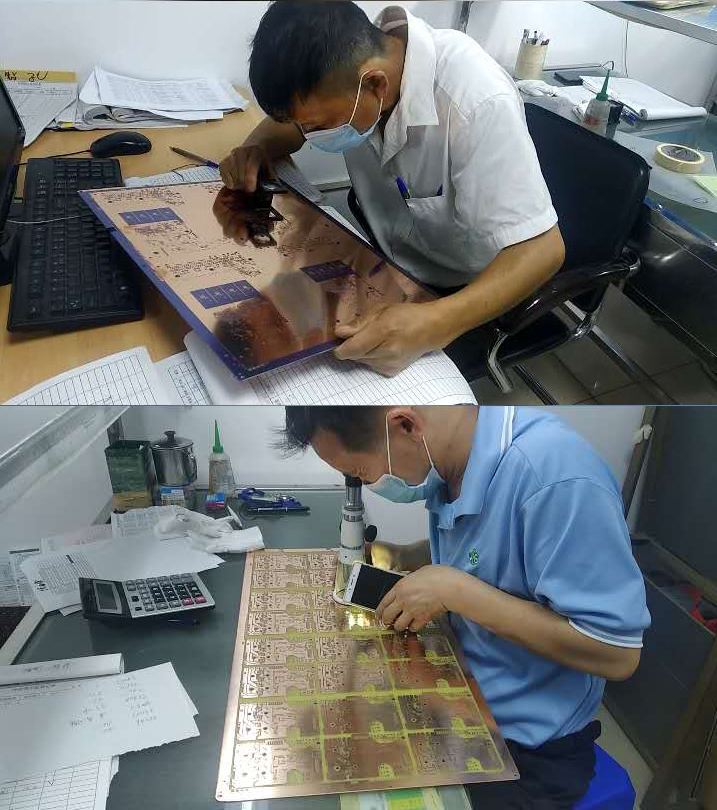
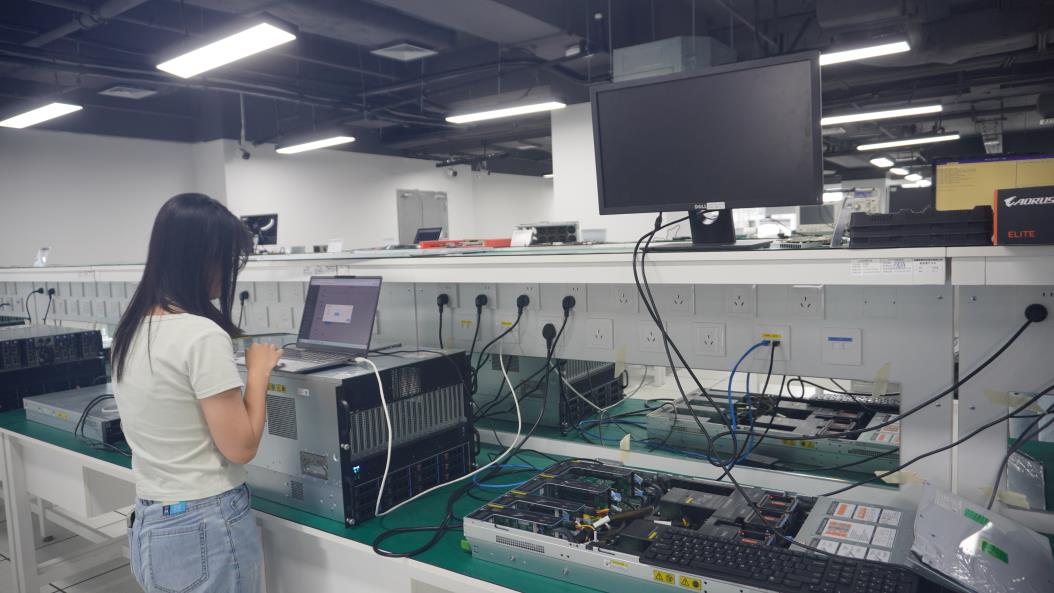
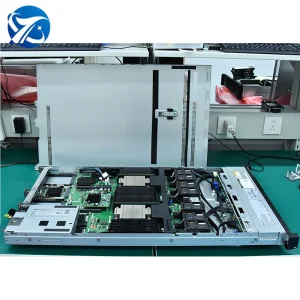
Take a look inside Klyvora's specialized facilities, showing our clean assembly areas, validation processes, and quality testing labs.