Klyvora
Klyvora
Klyvora
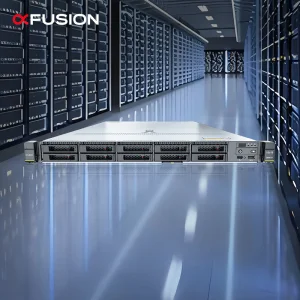
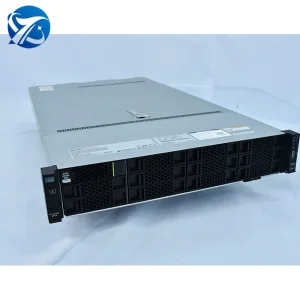
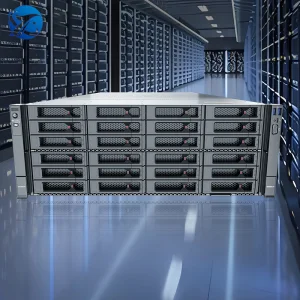
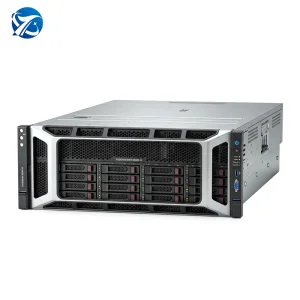
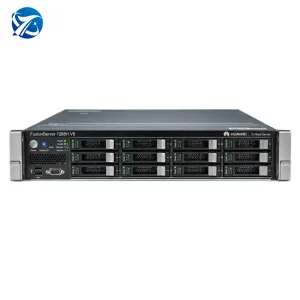
In the era of hyper-scale artificial intelligence models like DeepSeek R1 and distributed enterprise workloads, the demand for secure, high-density, and resilient data storage has transcended conventional paradigms. High-performance compute clusters and complex video analysis arrays require hardware infrastructures that not only store vast exabytes of data but also secure it against systemic threats, hardware failures, and transfer bottlenecks.
This industry report outlines why partnering with leading Chinese hardware manufacturers like Klyvora Node Technologies Ltd. delivers unmatched strategic advantages. From supply-chain integration to precision physical security features embedded at the firmware and controller levels, discover how specialized storage factories in China are paving the way for next-generation global data deployments.
Analyst Note: Procurement trends in 2025 indicate a 43% shift towards custom-built hardware optimized for open-source AI models over generic off-the-shelf configurations.
Analyzing the underlying structural factors that make Chinese manufacturing clusters the preferred choice for major enterprise procurers.
Proximity to silicon fabrication, component level surface-mount technology (SMT) lines, and PCB factories allows for unprecedented rapid development cycles. Klyvora partners with over 860 components suppliers to guarantee components availability even during peak semiconductor global shortages.
Whether you require physical optimization of GPU rack space, liquid cooling integrations, or customized IPMI/BIOS firmware, factories like Klyvora support complete OEM/ODM modifications designed for specialized enterprise scale workloads.
Top factories host specialized burn-in and environmental simulation chambers. Klyvora utilizes a dedicated 42-professional QC team implementing stress tests, ensuring MTBF (Mean Time Between Failures) exceeds industry-leading metrics before shipping globally.
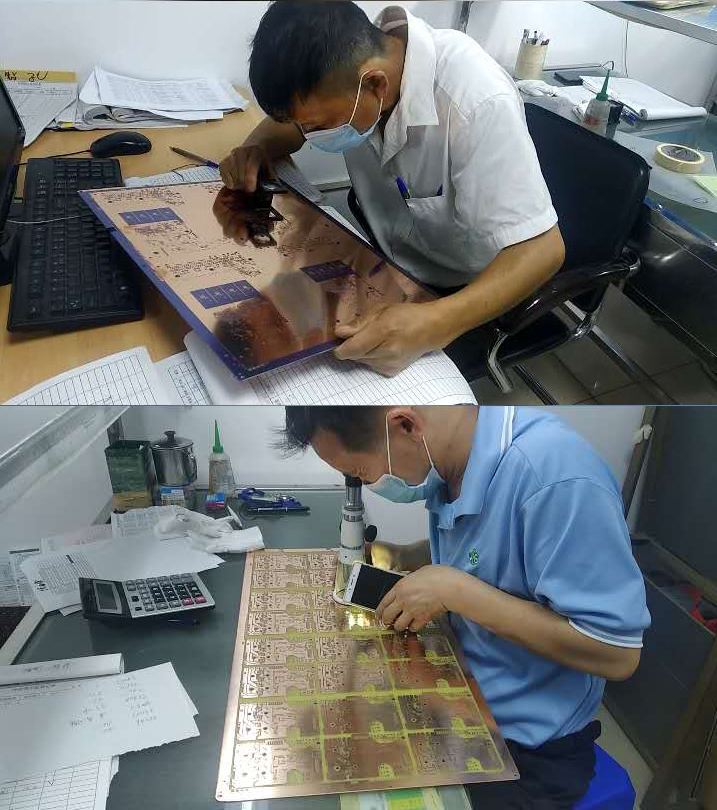
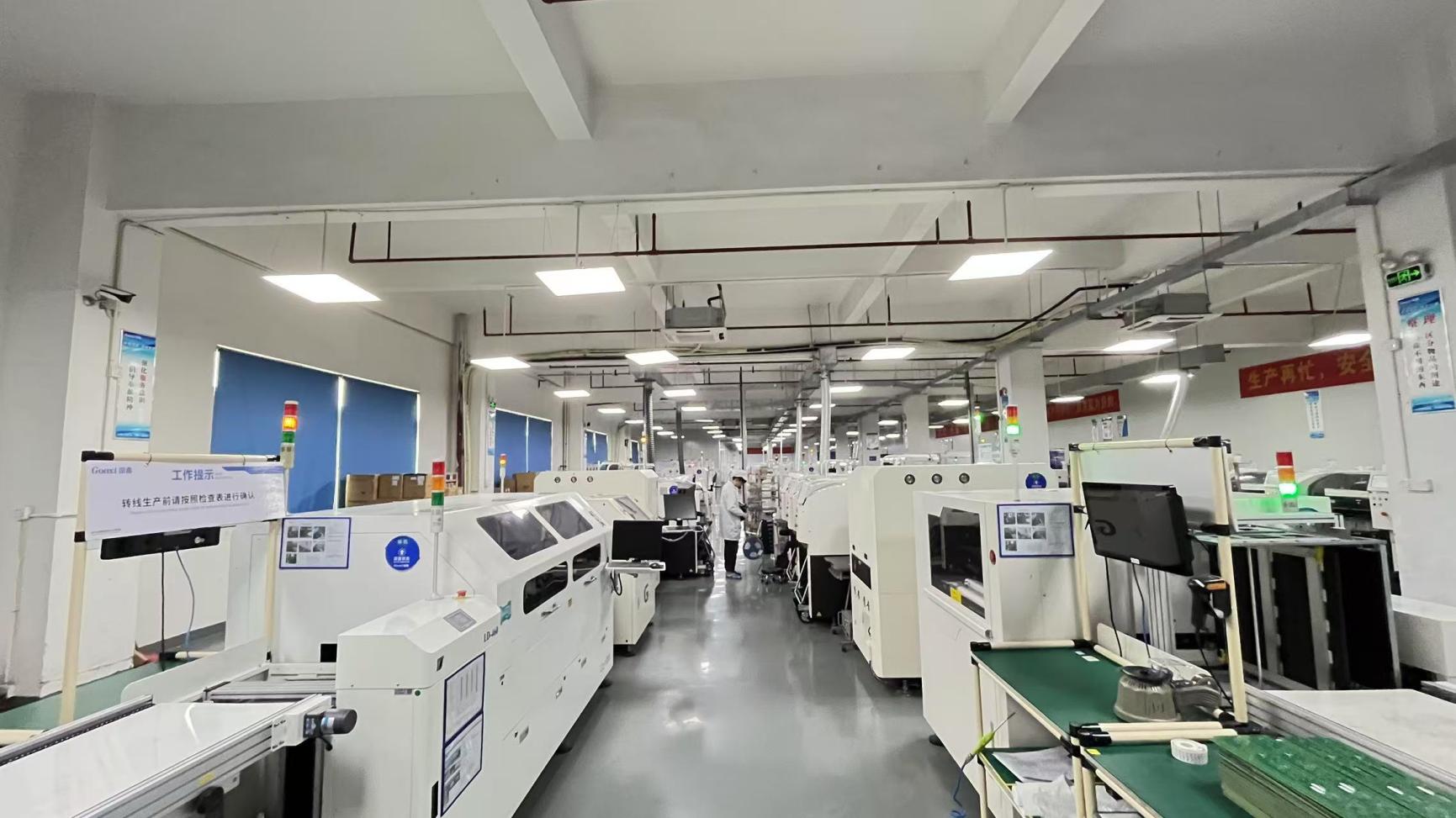

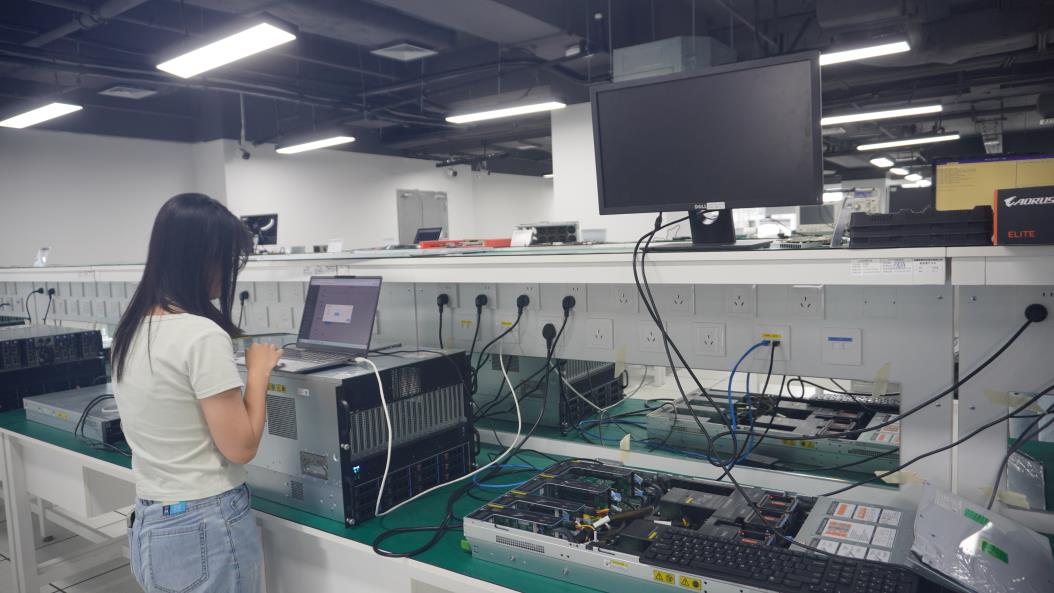
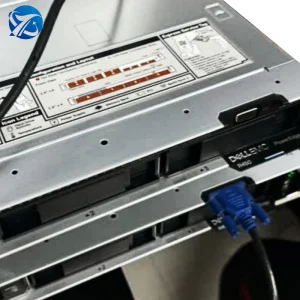
Inside Klyvora Node Technologies: R&D operations, high-density memory verification, system diagnostics, and server assembly configurations.
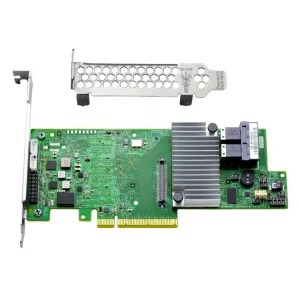
Modern data security is no longer just a software concern. Real security relies heavily on the bare metal. Hardware controllers, such as the 9560-16i-PCIe RAID Controller Card with an 8GB onboard cache, process and store parity data autonomously. This shields the storage volume from unauthorized software interception, ensuring integrity even during catastrophic operating system corruptions.
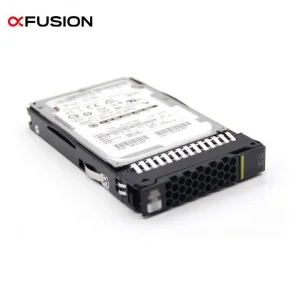
Additionally, modern servers utilize enterprise-grade SSD components (like the PM897 Series SSDs) designed for continuous hybrid write-heavy operational configurations. These components feature integrated Power-Loss Protection (PLP) circuitry that prevents data corruption in cache chips if primary datacenter power fails suddenly.
Our platforms also implement hardware roots of trust (RoT) to verify that only authenticated, digitally signed firmware executes on the motherboard and controllers, locking out potential rootkits at the boot level.
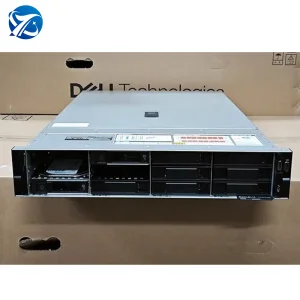
Custom setups for complex environments requiring specialized performance footprints, memory density, and low-latency throughput.
Designed for memory intensive applications like training and inference of DeepSeek R1. The integration of high-bandwidth DDR5 RAM and multi-GPU lanes enables efficient model weights loading without storage-to-compute throughput starvation.
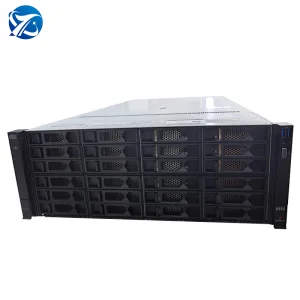
Designed for real-time video analytics, processing hundreds of high-definition camera feeds simultaneously. Implements high sequential write tolerance and specialized raid striping, preventing frame-drop occurrences during multi-channel write operations.
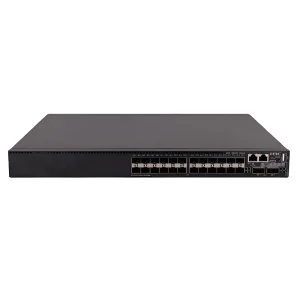
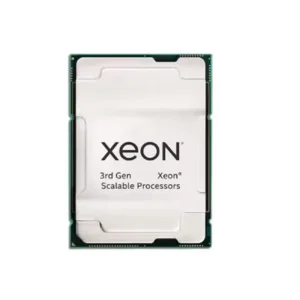
Optimized systems using high core-count Intel Xeon Processors. Delivering high concurrent client connection counts and ultra-fast file transfer speeds across local subnets and wider hybrid clouds.
International procurement agents face challenging regulatory and technical hurdles when sourcing large computing clusters. Ensuring compatibility across legacy datacenters, maintaining strict compliance with local emissions limits, and navigating international import regulations are all critical tasks.
Klyvora Node Technologies addresses these issues directly. With an export revenue of USD 8 million to USD 22 million and over 6 years of direct global trade experience, the team has refined its logistics, certification, and custom-clearance procedures. This ensures hardware arrives fully documented, meeting North American, European, Middle Eastern, and Southeast Asian standards.
Furthermore, hardware reliability during transit is a frequent issue. We construct bespoke protective packaging designed to absorb high-impact mechanical drops. Additionally, we run multi-stage functional diagnostics after transportation testing, ensuring all components work flawlessly out of the box at your target installation facility.
The industry is rapidly shifting from separate, discrete storage-only modules to intelligent, hyperconverged systems.
By placing processing power (CPUs and GPUs) close to the storage controllers, systems minimize data transit times. This reduces latencies and speeds up heavy analytical training runs significantly.
High-performance computing chips generate substantial heat, raising datacenter energy bills. Implementing direct-to-chip liquid cooling systems keeps hardware running at stable, cooler temperatures, extending component lifespans.
Managing storage pool resources dynamically via automated software control layers removes the complexity of managing physical disk layouts manually. This makes it easier to scale out capacity instantly whenever demand spikes.
Transitioning to ultra-fast NVMe interfaces allows modern applications to access stored data instantly. High-end, durable flash components deliver consistent throughput, avoiding performance bottlenecks during heavy parallel operations.
Detailed technical answers addressing standard security, assembly capability, hardware options, and global export procedures.