Klyvora
Klyvora
Klyvora
Select high-performance computing hardware optimized for remote management frameworks.

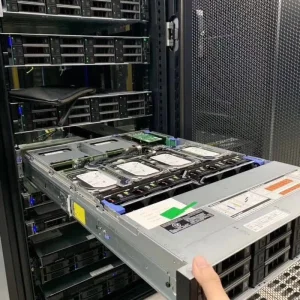
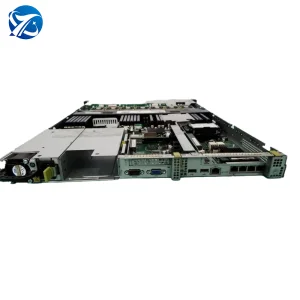
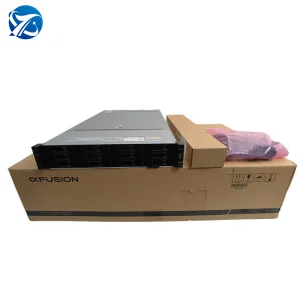
Modern high-performance computing infrastructures demand continuous uptime, precise environmental telemetry, and robust remote system control. The complexity of running multi-node AI GPU configurations, hyperconverged server infrastructure, and remote storage clusters is expanding exponentially. Consequently, the reliance on CE certified hardware configurations has evolved from a regulatory checkbox to an essential operational reliability requirement.
The CE (Conformité Européenne) mark serves as a critical proxy for technical safety, hardware integrity, and electromagnetic compatibility. For data centers operating inside the European Economic Area (EEA) and globally, CE certification guarantees that server subcomponents—including out-of-band management controllers, RAID storage modules, and PCIe daughterboards—conform to strict directive frameworks. These directives include the Low Voltage Directive (LVD) 2014/35/EU and the Electromagnetic Compatibility (EMC) Directive 2014/30/EU.
Remote monitoring hardware solutions require resilient isolation from primary power lines to safeguard the logic units of the remote baseboard management controller (BMC). Without CE-certified voltage control and power isolation, high-voltage events within compute systems could easily compromise remote telemetry networks, causing catastrophic downtime and preventing hard system reboots. High-performance enterprise units must implement robust physical shielding and decoupling circuits to prevent high-frequency compute busses from interfering with out-of-band communication paths.
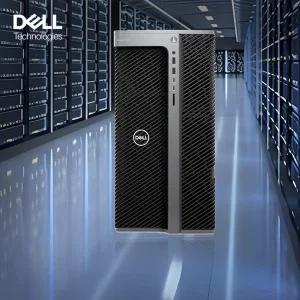
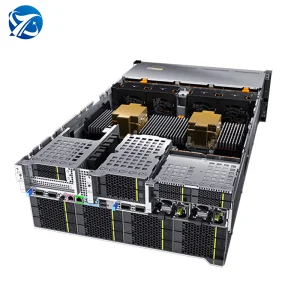
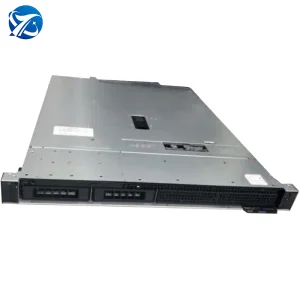
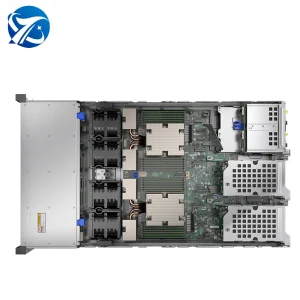
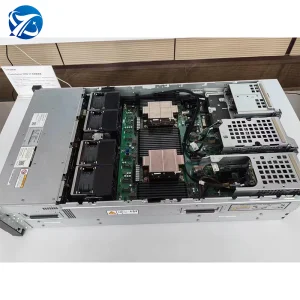
True Remote Monitoring Solutions rely on a completely separated out-of-band control plane. In high-density server configurations, such as the xFusion FusionServer 2258 V7 or the Dell PowerEdge R960, physical telemetry modules interface directly with the hardware through the Intelligent Platform Management Interface (IPMI 2.0) and the Redfish API over dedicated physical ports. This decoupling ensures system visibility even when the primary operating system experiences a kernel panic or CPU starvation state.
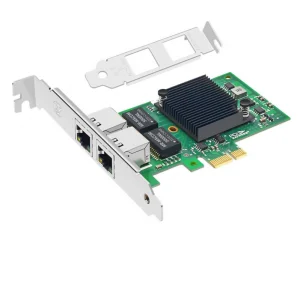
A prime example of this mechanism is implemented in dedicated storage boot controllers. For instance, the XP270-M2- (SAS3808 BootCard) standard card utilizes discrete edge-band management buses. This configuration permits direct health query telemetry, RAID0/1/JBOD status detection, and configuration actions without calling host CPU cycles or using standard network interface pipelines. Through this dedicated management plane, engineering teams can remotely configure boot arrays, monitor drive health metrics, detect firmware exceptions, and perform cold-boot sequence recovery remotely.
As enterprise cloud infrastructure scales toward distributed edge architectures, global sourcing teams face multi-layered integration challenges. Procurement metrics have shifted from simple capital expenditure evaluation to comprehensive Lifecycle Cost Analysis (LCC), where hardware lifecycle management, out-of-band diagnostic capabilities, and compliance status are central parameters. Enterprise procurement teams require standardized remote monitoring solutions that reduce the need for physical dispatches to remote facilities.
Additionally, regional environmental standards like EU RoHS (Restriction of Hazardous Substances) and REACH dictate component assembly rules. Exporters must maintain verified tracing records of all solder interfaces, capacitors, and PCB materials. For cloud centers running high-density AI nodes, compliant hardware reduces risk factors associated with thermal breakdown and chemical degradation under continuous workload conditions.
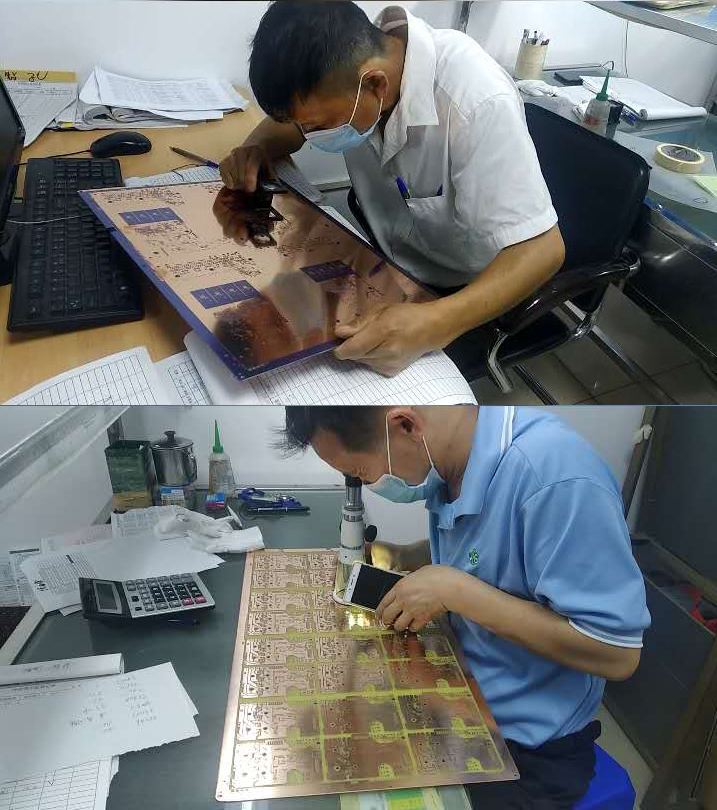
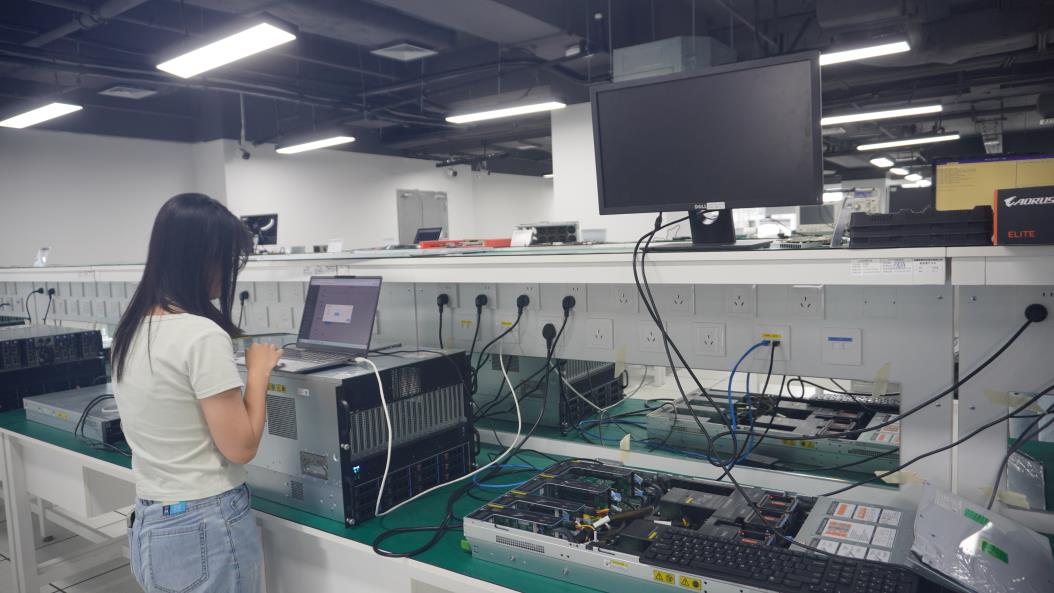
Klyvora Node Technologies Ltd. approaches hardware manufacturing with a focus on durability and performance validation. Since our establishment in 2016, we have built an integrated engineering framework based at our 320㎡ modern assembly, testing, and R&D facility. Our hardware undergoes systematic verification stages to ensure it withstands high-stress environments. These validation stages include:
Our quality control operations are overseen by a dedicated team of 42 specialists, coordinating with over 860 supply partners to verify the quality of components like server motherboards, chassis, power delivery systems, and liquid cooling lines.
Exporting complex computing systems to regions like North America, Europe, the Middle East, and Southeast Asia requires thorough knowledge of international trade regulations. Navigating export compliance involves more than basic logistical documentation. It requires verifying compliance with regional telecommunications mandates, electromagnetic field (EMF) limits, and hazardous waste processing codes.
With over 6 years of direct export operations and 11 years of cumulative enterprise hardware integration experience, Klyvora maintains structured transit protocols. Our systems are shipped in multi-layer anti-static packaging with custom-designed shock isolation dampening. This ensures that delicate board components, PCIe pathways, and storage assemblies arrive intact and ready for rapid integration into target data centers.
Visual proof of Klyvora's integrated testing, assembly lines, and validation facilities.


Modern remote infrastructure management has evolved beyond basic terminal lines. Current server designs must implement encrypted interfaces for telemetry, virtual media mounting, and power cycling. Industry-standard APIs like Redfish allow system administrators to programmatically control compute node resources, monitor fan speeds, and track voltage variances across thousands of physical systems using JSON-formatted payloads.
This automated approach is essential for high-density environments like the xFusion 2288H V6 Hyperconverged System or specialized GPU configurations. Klyvora is designing systems with these advanced security parameters to help protect management channels from external access attempts. We isolate management ports from primary data networks, support secure TLS configurations, and integrate role-based access control (RBAC) into our system controllers. This design helps enterprises run reliable diagnostic routines without exposing control channels to security risks.
The next phase of remote infrastructure management centers on AI-driven proactive telemetry. Instead of reacting to hardware exceptions after they occur, next-generation monitoring platforms analyze telemetry streams in real time. Our development roadmap focuses on these proactive diagnostics, using data from power lines, drive metrics, and thermal sensors to predict components showing signs of wear.
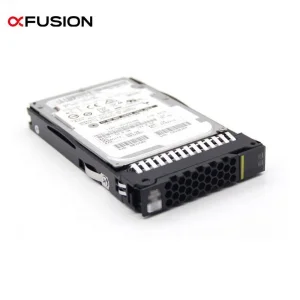
This diagnostic approach is particularly valuable for large storage nodes running systems like the NL SAS HDD 12000GB series or solid-state arrays. By monitoring variations in latency and sector reallocation activity, management controllers can flag drives for maintenance before a hardware fault occurs, preserving data integrity and reducing unplanned downtime.
Technical answers from our engineering division regarding system compliance and telemetry integration.
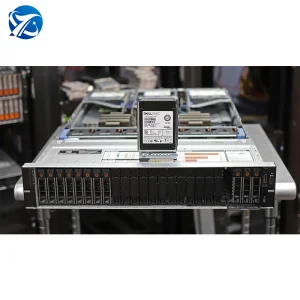
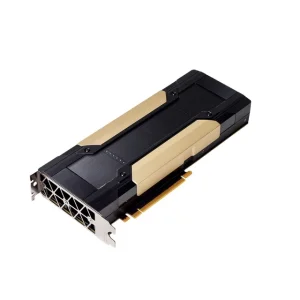
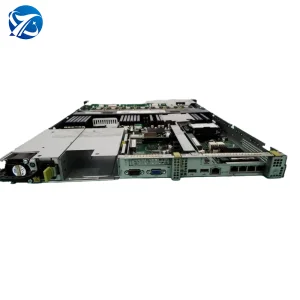
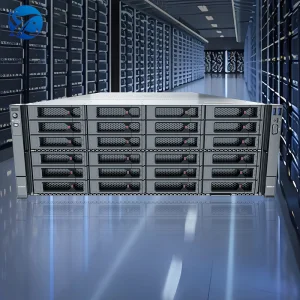
High-capacity storage drives and servers configured for enterprise monitoring networks.